My Neighbors Shared an Unfamiliar Food With Me: Discovering What It Was Became a Fun Cultural Surprise
Sometimes, the most memorable moments come from the simplest acts of kindness. A small gift from a neighbor can turn into an opportunity to learn about another culture and discover something completely new. That was exactly what happened when my foreign neighbors unexpectedly knocked on my door one evening.
The Unexpected Gift
We had never spoken much before. We usually exchanged polite greetings whenever we met in the elevator, but our conversations never went beyond a smile or a quick hello. So I was surprised when they arrived carrying a small bag. With warm smiles, they handed it to me and, in accented Russian, said, "Enjoy your meal!"
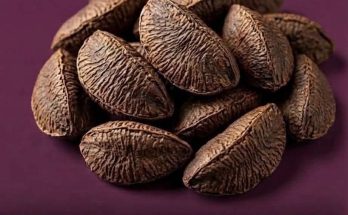
Curious, I thanked them and looked inside. Instead of seeing something familiar, I found several dark, hard objects with unusual shapes. At first glance, they looked more like decorative items or polished stones than food. They felt cool and firm in my hands, and they had almost no noticeable smell.
Naturally, I was puzzled. I even wondered if I had misunderstood them. Could these really be something to eat?
Solving the Mystery
Unsure what to do, I decided not to guess. Rather than risk preparing them incorrectly, I searched online using photos and descriptions until I finally identified them. They were water chestnuts.
Although the name might sound familiar to some people, I had never seen fresh water chestnuts before. Unlike the canned slices often used in stir-fries, fresh water chestnuts have a dark, tough outer shell that hides a crisp, white interior.
This was a wise approach. With unfamiliar foods, guessing can lead to unpleasant surprises or even safety issues. Taking time to identify something properly, through image searches, descriptions, or asking the giver, is always the right move. Curiosity paired with caution is the best recipe for culinary adventure.
Discovering Water Chestnuts
In many parts of Asia, water chestnuts are a popular ingredient enjoyed in both savory and sweet dishes. They can be peeled and eaten raw after cleaning, or cooked by boiling, steaming, or adding them to soups and stir-fries. Their crunchy texture and mildly sweet flavor make them a favorite in many traditional recipes.
Fresh water chestnuts are quite different from what most Western shoppers know:
- The shell is dark brown to black, hard, and slightly glossy, nothing like the pale canned slices.
- The interior is crisp, white, juicy, and subtly sweet, with a texture similar to apples or jicama.
- They stay crunchy when cooked, which is rare among vegetables and prized in Asian cuisines.
- They're versatile: eaten raw as a snack, added to stir-fries, simmered in soups, or even candied for desserts.
Nutritionally, water chestnuts are low in fat, a good source of fiber, and contain potassium and B vitamins. They're mostly water and starch, making them refreshing and light.
Learning this completely changed my first impression. What had looked like polished stones turned out to be a beloved ingredient, a small delicious world hidden inside an unpromising shell.
Breaking the Language Barrier
The following day, I met my neighbors again and told them I had finally discovered what they had given me. They laughed warmly and enthusiastically demonstrated, with plenty of gestures, how to peel and enjoy them. Even though we didn't share the same language fluently, we shared a pleasant conversation through smiles and simple explanations.
This is one of the beautiful truths about human connection: language is helpful but not required. Gestures, laughter, facial expressions, and shared activity can carry a conversation surprisingly far. The neighbors' delight in teaching, and my delight in learning, needed no translation.
Food is a universal language precisely because it engages all the senses at once. Peeling a water chestnut together, tasting it, reacting, laughing, this is communication at its most fundamental. It bypasses vocabulary entirely.
What the Experience Taught Me
The experience reminded me that food is one of the easiest ways to connect with people from different cultures. Something that seems unusual or unfamiliar to one person may be an everyday favorite for someone else.
That small bag of water chestnuts became much more than a gift. It was a simple lesson in several things:
- Curiosity over judgment. The unfamiliar can look strange. The response that opens doors is wonder, not wariness.
- Cultural humility. My food norms are not universal. Someone else's everyday snack was my mystery to solve, and that's a good thing.
- The power of small gestures. A bag of water chestnuts transformed elevator-strangers into neighbors. Small kindnesses compound.
- Reciprocity builds bridges. The natural next step is sharing something from your own culture in return, creating an exchange rather than a one-time gift.
- Patience with the unfamiliar. Taking time to identify, learn, and ask questions turned confusion into delight.
How to Embrace Food-Based Cultural Exchange
If you want more moments like this in your own life, a few simple practices help:
- Accept unfamiliar food gifts graciously, and follow up with questions or research.
- Share your own food traditions with neighbors from other backgrounds. Exchange beats one-way giving.
- Visit international markets in your area. They're treasure troves of unfamiliar ingredients with friendly shopkeepers often happy to explain.
- Learn one dish from another culture properly, not as novelty but as respect.
- Ask before assuming. If you're unsure whether something is eaten raw or cooked, ask. People generally love explaining their food.
Keeping an Open Mind
That small bag of water chestnuts became a simple lesson in curiosity, cultural exchange, and keeping an open mind when encountering traditions from around the world.
We all live among people whose everyday lives contain things we've never imagined. Sometimes it takes a knock on the door and a bag of strange dark objects to remind us how much there is to discover, right in our own building.
The neighbors and I still exchange elevator greetings. But now the smiles are warmer, and they carry the memory of water chestnuts, gestures, and laughter. That's what a small act of food kindness can do.
Frequently Asked Questions
What are fresh water chestnuts?
The edible corms of an aquatic plant, with a dark hard shell hiding a crisp white interior. They're crunchy, mildly sweet, and popular in many Asian cuisines, quite different in appearance from the canned sliced version.
How do you eat fresh water chestnuts?
Peel off the dark outer shell to reveal the white flesh inside. They can be eaten raw after washing, or cooked by boiling, steaming, or adding to stir-fries and soups. They retain their crunch even when cooked.
Are water chestnuts related to chestnuts?
No. Despite the name, water chestnuts are not nuts at all. They're the corms of an aquatic sedge plant, unrelated to tree chestnuts. They're safe for people with nut allergies (though anyone with concerns should verify with their own research).
What do water chestnuts taste like?
Crisp, juicy, and mildly sweet, with a texture often compared to apples or jicama. They have a clean, refreshing flavor that works in both savory dishes and desserts.
What should I do if a neighbor gives me unfamiliar food?
Accept graciously, thank them warmly, and take time to identify it properly before eating. Use photo searches, ask the giver, or consult someone familiar with the cuisine. When in doubt about preparation or safety, ask.
How can food help build cross-cultural friendships?
Sharing food creates low-pressure opportunities for interaction, demonstrates respect for others' traditions, and gives people something positive to bond over. Offering food is a near-universal gesture of goodwill, and accepting it with curiosity opens the door to deeper connection.