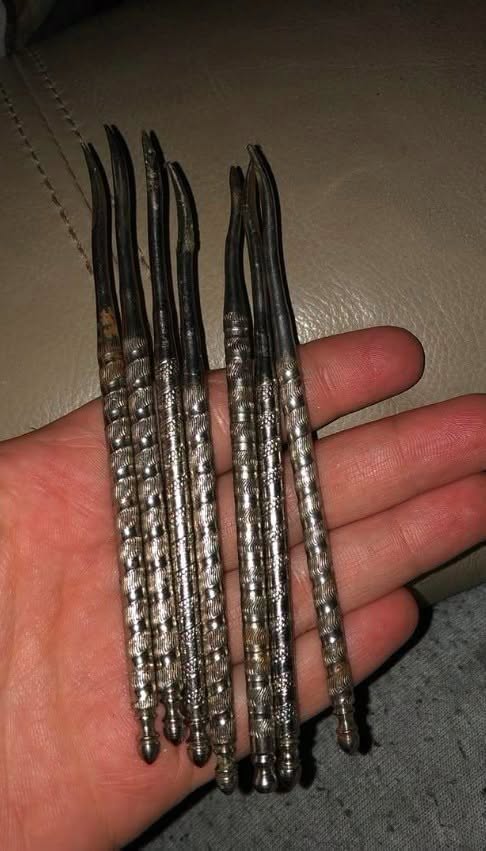
Vintage household items often spark curiosity, especially when they are discovered among family belongings. Many people inherit unusual kitchen tools from parents or grandparents without knowing what they were used for. If you’ve ever come across a wooden bowl with metal accessories or small pointed picks, you may be looking at a classic nut-cracking set, a once-common item in many homes.
For decades, wooden nut bowls and traditional nutcrackers were a familiar sight during family gatherings, especially around the holidays. They were practical kitchen accessories designed to make enjoying fresh nuts easier while adding a touch of craftsmanship to the dining table.
A Clever Design for Everyday Use
Many vintage wooden nut bowls, sometimes referred to as nut trenchers, were thoughtfully designed with built-in features. Some included a sturdy metal nutcracker attached directly to the bowl, making it convenient to crack shells while helping keep the edible portion intact.
The wooden bowl also served as a place to collect both the cracked shells and the freshly opened nuts, making cleanup much easier during family snack time.
What Are the Small Metal Picks?
The small pointed tools included in these sets are known as nut picks or nut forks. Their purpose was to carefully remove pieces of nutmeat from inside hard shells without damaging them.
These handy tools worked especially well with walnuts, pecans, hazelnuts, and chestnuts. Interestingly, similar picks are still used today for enjoying seafood such as crab and lobster, where removing meat from narrow spaces requires precision.
A Tradition That Brought Families Together
Before packaged snacks became widely available, cracking fresh nuts was often a social activity. Families would gather around the table, talk, and enjoy seasonal treats while opening nuts by hand. These simple traditions helped create lasting memories and encouraged spending quality time together.
Vintage nut bowls became part of many holiday celebrations, often appearing alongside fresh fruit, homemade desserts, and warm drinks.
Practical Benefits Beyond Nostalgia
Using traditional nutcrackers and picks also encourages gentle hand movement and coordination. While they were designed primarily as kitchen tools, they naturally involve fine motor skills that many people still appreciate today.
Their sturdy construction also reflects the quality craftsmanship common in older household items, many of which were built to last for decades.
The Nutritional Value of Fresh Nuts
The tools themselves may be vintage, but the foods they were designed for remain a nutritious choice today. Many popular nuts provide healthy fats, dietary fiber, vitamins, minerals, and antioxidants that can support a balanced diet when eaten in moderation.
Bringing Vintage Traditions Into Modern Kitchens
Many people enjoy combining these classic tools with today’s healthy snack ideas. A serving board filled with mixed nuts, fresh fruit, cheese, and vegetables can create an attractive and satisfying snack for family gatherings or casual entertaining.
Using vintage kitchenware also adds character to the table while preserving a small piece of family history.
Why People Still Collect Them
Collectors and antique enthusiasts often appreciate vintage nut bowls because they combine function with decorative appeal. Handmade wooden bowls and traditional metal nutcrackers showcase the craftsmanship of earlier generations and can become meaningful conversation pieces in the home.
Whether displayed on a shelf or used during special occasions, these timeless kitchen tools continue to remind people of simpler traditions centered around sharing food and spending time together.
A Small Piece of Everyday History
If your friend recently inherited one of these sets from their grandparents, they likely own a vintage nut bowl with matching nut picks and a traditional nutcracker. While these items may seem unusual today, they were once practical household essentials found in many homes.
More than simple kitchen tools, they represent a tradition of gathering with family, enjoying wholesome foods, and appreciating well-made items that were designed to last for generations.