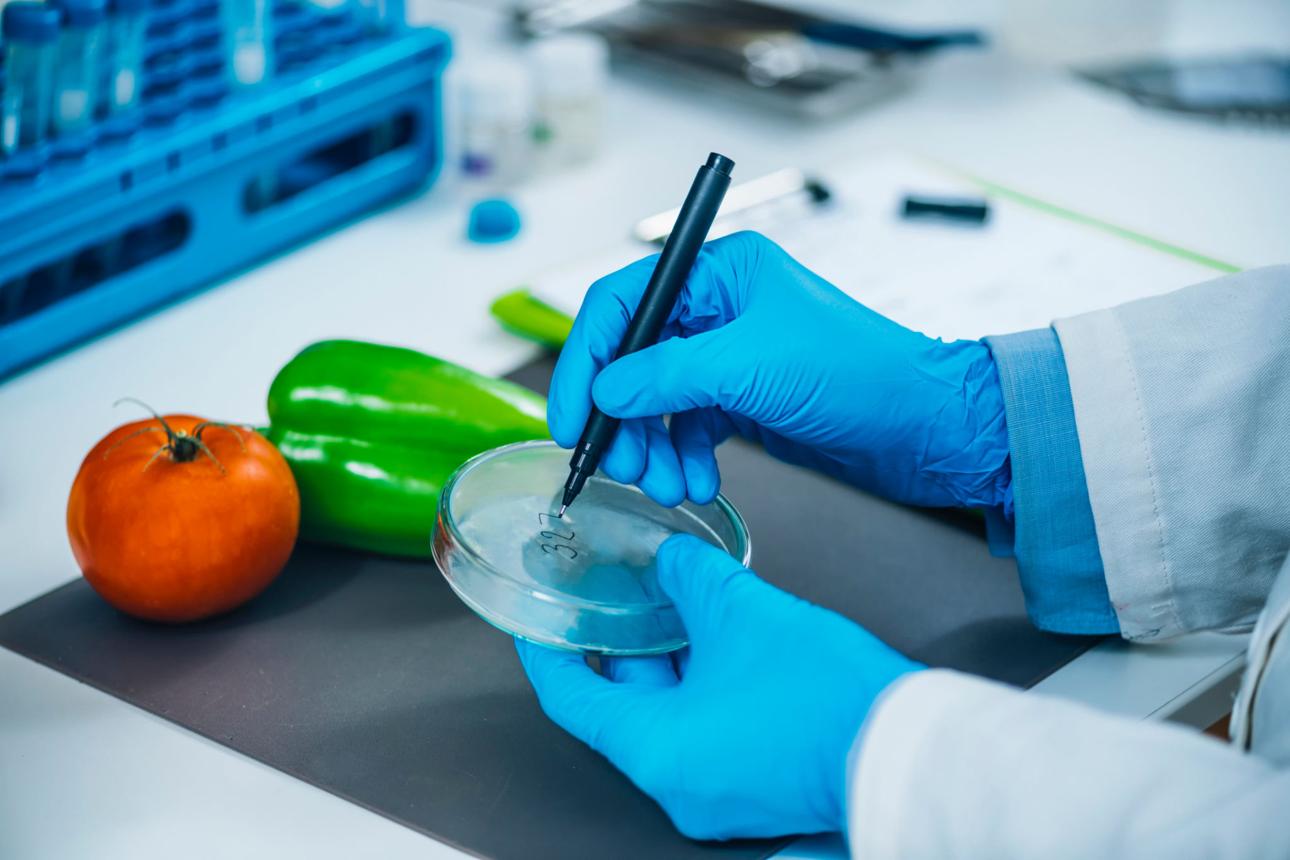
Fresh vegetables are an important part of a healthy diet. They provide essential vitamins, minerals, fiber, and antioxidants that support digestion, heart health, and the immune system. Many people enjoy eating vegetables raw in salads, sandwiches, smoothies, and other nutritious meals.
While raw vegetables offer many health benefits, food safety experts remind consumers that they should always be cleaned and handled properly before eating. Like many fresh foods, vegetables can sometimes become contaminated with harmful microorganisms or parasites during growing, harvesting, transportation, or storage.
How Can Vegetables Become Contaminated?
Vegetables grow in natural environments where they may come into contact with soil, water, insects, wildlife, and farming equipment. If irrigation water is contaminated or proper sanitation practices are not followed, harmful bacteria, viruses, or parasites may be transferred onto the surface of fresh produce.
Leafy greens such as lettuce, spinach, kale, and herbs are among the vegetables that deserve extra attention because their uneven leaves can trap dirt and tiny particles. Root vegetables that grow underground may also carry soil residue if they are not washed thoroughly before consumption.
Contamination does not necessarily mean a vegetable is unsafe to eat. In many cases, proper cleaning and food handling greatly reduce potential risks.
Parasites That Can Be Found on Fresh Produce
Health professionals explain that parasites can occasionally contaminate fresh fruits and vegetables, particularly when crops are exposed to polluted water or animal waste. Some parasites may survive on produce if food safety standards are poor during farming or processing.
Examples include certain roundworms, tapeworms, and microscopic protozoa. If these organisms enter the body, they may cause digestive illnesses such as stomach cramps, diarrhea, nausea, or vomiting. Fortunately, serious infections remain relatively uncommon in areas with strong food safety regulations.
The likelihood of infection depends on many factors, including farming practices, sanitation, food preparation, and individual health conditions.
Are Serious Complications Possible?
Medical experts note that severe complications from foodborne parasites are uncommon but can occur in rare situations. Certain parasites may affect organs beyond the digestive system if left untreated.
In unusual cases, some infections may involve the nervous system and cause symptoms such as persistent headaches, seizures, confusion, or inflammation. However, these complications are considered rare and are typically associated with specific parasites rather than everyday exposure to vegetables.
Anyone experiencing severe or persistent symptoms after eating contaminated food should seek medical evaluation promptly.
Where Does Contamination Usually Happen?
Food contamination often occurs long before vegetables reach the grocery store or local market. Several factors may contribute, including contaminated irrigation water, contact with animal waste, poor sanitation during harvesting, unsanitary storage facilities, improper transportation conditions, and cross-contamination during packaging.
Even vegetables that appear clean can still carry microscopic organisms that are invisible to the naked eye. This is why washing produce before eating is an important food safety habit.
How to Wash Vegetables Properly
Food safety specialists recommend rinsing fresh vegetables under clean running water before preparing or eating them. Gently rubbing the surface with clean hands can help remove dirt and debris. For firmer vegetables such as potatoes, carrots, cucumbers, or radishes, using a clean vegetable brush can help remove soil from the surface.
Some people also soak vegetables briefly in water mixed with a small amount of vinegar or salt. While this may help loosen dirt and reduce some surface bacteria, experts caution that these methods do not guarantee the removal of every harmful microorganism or parasite. Washing vegetables thoroughly under running water remains one of the most effective and practical methods for reducing contamination.
Why Cooking Can Improve Food Safety
Cooking vegetables thoroughly is one of the most effective ways to reduce the risk of foodborne illness. High temperatures destroy many harmful bacteria and parasites that may be present on fresh produce.
People with weakened immune systems, older adults, pregnant women, and young children may benefit from choosing cooked vegetables instead of raw ones whenever food safety is uncertain. Cooking also preserves many important nutrients, making vegetables both safe and nutritious.
Simple Food Safety Habits
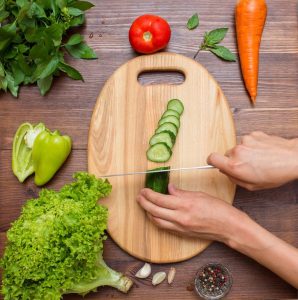
Good kitchen hygiene plays a major role in preventing foodborne illness. Washing vegetables before eating, refrigerating fresh produce promptly, keeping vegetables separate from raw meat and seafood, washing hands before food preparation, and discarding spoiled produce are all simple practices that can significantly reduce the risk of contamination. Purchasing vegetables from reputable suppliers that follow proper food safety standards also provides an additional layer of protection.
Vegetables Are Still an Important Part of a Healthy Diet
Despite concerns about food contamination, nutrition experts continue to recommend eating a wide variety of vegetables every day. They provide valuable fiber, vitamins, minerals, and antioxidants that help support the immune system, digestive health, heart health, and overall well-being.
The goal is not to avoid fresh vegetables but to prepare them safely. Following proper washing, storage, and cooking practices allows people to enjoy the many health benefits of vegetables while minimizing potential health risks.
Final Thoughts
Fresh vegetables remain one of the foundations of a balanced and nutritious diet. Although contamination with harmful microorganisms or parasites can occasionally occur, the overall risk can be greatly reduced through good agricultural practices, proper food handling, and careful preparation at home.
By washing produce thoroughly, practicing good kitchen hygiene, purchasing vegetables from reliable sources, and cooking them when appropriate, consumers can continue enjoying fresh vegetables with confidence while significantly reducing the risk of foodborne illness.