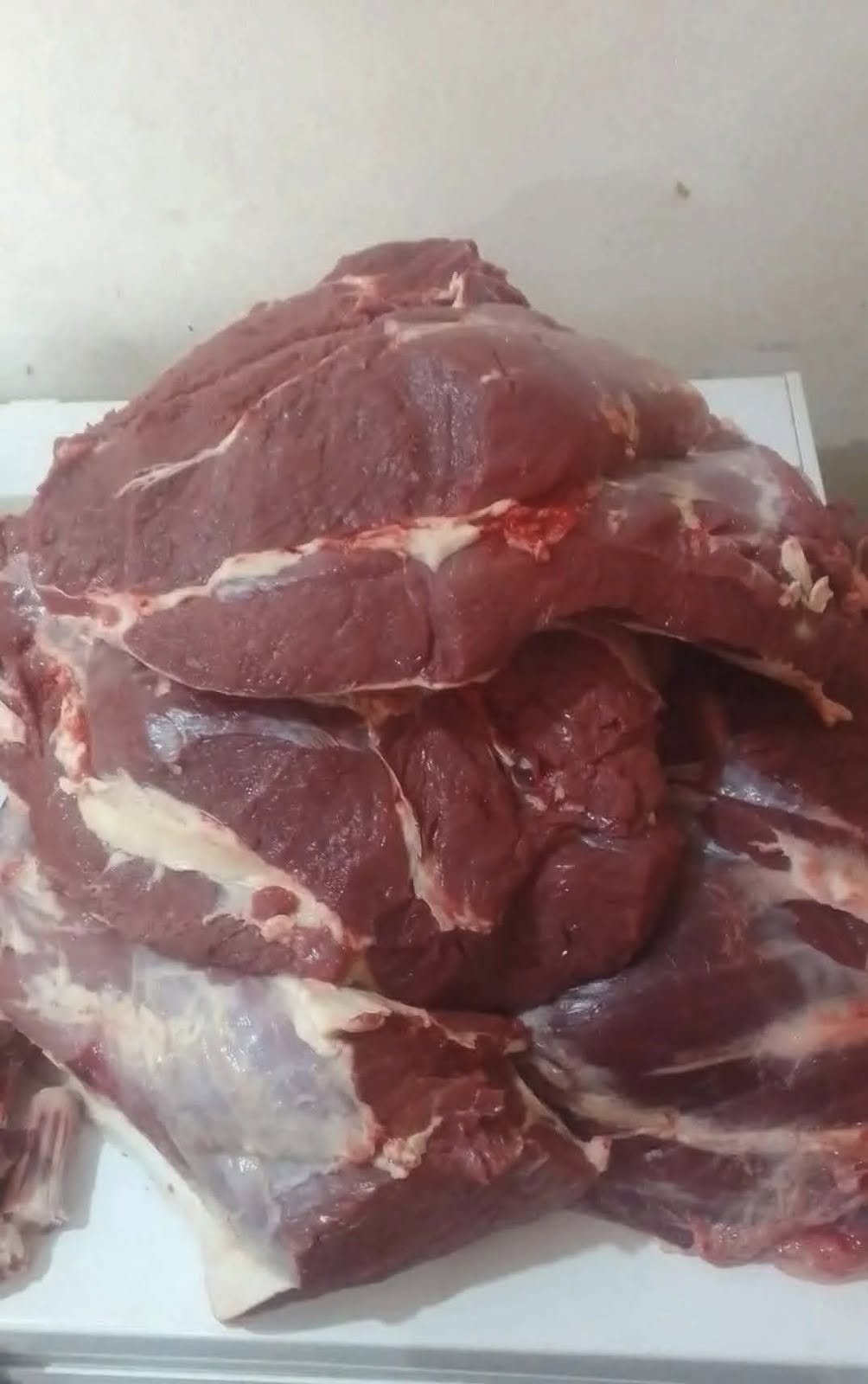
Buying meat at the supermarket may seem straightforward, but judging its freshness is not always as simple as looking at its color. Packaging, storage conditions, labeling, and the way meat is displayed can all influence how a product looks.
Fortunately, shoppers can use a few practical checks to make more informed decisions and choose meat that meets their expectations for quality and freshness.
Bright Red Meat Does Not Always Mean Fresher Meat
One of the most common assumptions is that bright red meat is automatically the freshest option. However, meat color can naturally change depending on how much oxygen it has been exposed to.
For example, beef that has been vacuum-sealed may appear darker or purplish-red because it has had limited contact with oxygen. After the package is opened and the meat is exposed to air, its color can become brighter.
This means color by itself is not a reliable way to determine whether meat is fresh.
Instead of focusing on appearance alone, shoppers should consider several factors before making a purchase.
Packaging Can Tell You a Lot
The condition of the package is one of the easiest things to check while shopping.
Look for packaging that is properly sealed and free from damage. Avoid packages that are leaking, badly torn, or unusually swollen.
A small amount of liquid inside some meat packages can be normal, but excessive leakage may indicate that the package has been damaged or that the product has been stored improperly.
It is also helpful to check whether refrigerated meat is being kept in an appropriately cold section of the store.
Read the Label Carefully
Marketing language can make a product sound more appealing, but shoppers should pay attention to the information that actually helps them evaluate the product.
Words such as “premium,” “farm fresh,” “butcher’s selection,” or “freshly cut” may describe how a product is presented, but they do not necessarily tell you everything about its quality.
Before buying, check the label for important details such as the use-by or expiration date, storage instructions, country or place of origin when provided, and any official inspection or handling information required by local regulations.
Taking a few extra seconds to read the label can help you make a more informed choice.
Store Lighting Can Affect Appearance
Supermarket lighting is designed to make products look attractive and easy to see. Because lighting can influence the way colors appear, meat may look somewhat different once you take it home.
This is another reason not to judge freshness solely by how red a package looks under store lights.
Instead, consider the complete picture: the date, packaging, storage conditions, labeling, and overall appearance of the product.
What Else Should You Check?
When purchasing meat, consider several factors together rather than relying on one visual sign.
Check the package for damage or leaks and make sure the product is properly refrigerated. Look at the date on the package and choose products that can be stored or consumed within a reasonable period.
If you notice an unusual or unpleasant odor after opening the package, do not assume that the meat is safe simply because its color looks normal. When in doubt about a food product, it is better to follow food-safety guidance and avoid consuming it.
Tips for Buying Meat Safely
A few simple shopping habits can make a difference.
Choose meat from reputable retailers that appear to maintain appropriate refrigeration and handling practices.
Pick up refrigerated meat toward the end of your shopping trip so it spends less time outside refrigeration.
Keep raw meat separate from other groceries, especially foods that are eaten without cooking.
If you have a longer journey home, an insulated bag can help keep refrigerated products cold.
Once you arrive home, refrigerate or freeze meat promptly according to the product’s storage instructions.
Always follow recommended cooking temperatures and safe food-handling practices.
Freshness Is About More Than Appearance
There is no single visual sign that can guarantee meat is fresh. Color can change naturally, packaging can influence appearance, and store lighting can make products look different.
The best approach is to consider several factors at once, including the packaging condition, date information, storage temperature, labeling, and any unusual signs that may indicate a problem.
Most supermarkets and butcher shops follow food-safety requirements designed to protect consumers. Still, being an informed shopper can help you make better purchasing decisions and avoid unnecessary surprises.
The next time you buy meat, don’t judge the product by its color alone. Take a moment to check the label, inspect the packaging, and make sure the product has been properly refrigerated. A few simple habits can help you shop with greater confidence.