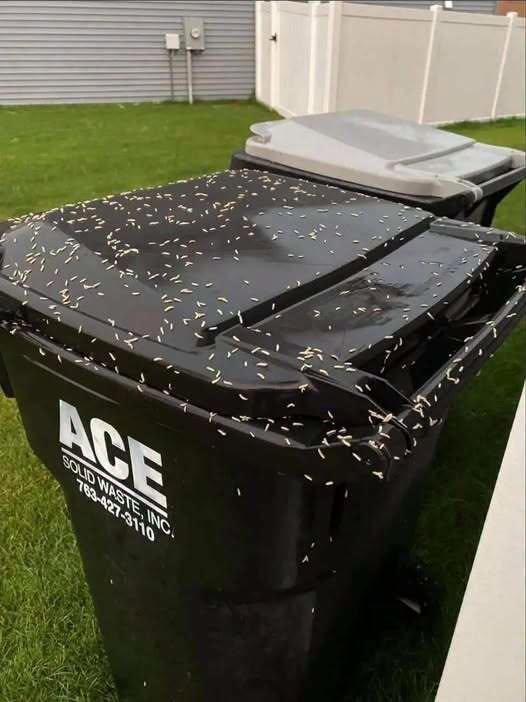
Discovering maggots inside your trash bin can be an unpleasant experience. You may open the lid expecting to take out the garbage and instead notice tiny white larvae moving around the waste. While the sight can certainly be disturbing, there is usually a simple explanation for why they are there.
Maggots are the larval stage of flies. When flies find suitable organic material, they may lay eggs on or near it. If conditions are warm and there is enough moisture and food available, those eggs can hatch relatively quickly.
The good news is that a maggot problem in a household trash bin can usually be addressed with a few practical cleaning and prevention steps.
Why Do Maggots Appear in Trash Bins?
The main reason maggots appear is the presence of decomposing organic material. Food scraps, meat, fish, dairy products, fruits, vegetables, and other types of waste can attract flies.
Warm temperatures can make the situation more noticeable. During the summer months, garbage can begin to decompose faster, while flies are generally more active. A bag that sits in a warm outdoor area for several days can therefore become an attractive place for flies.
Leaks from garbage bags can also create a problem. Liquid and food residue may collect at the bottom of the bin, creating an environment that attracts insects even after the main garbage bag has been removed.
Understanding the cause is useful because simply removing visible maggots may not solve the underlying problem. If food residue remains inside the container, flies may continue to return.
Step 1: Remove the Infested Garbage Carefully
The first thing to do is remove the garbage containing the maggots. Put on household gloves if you prefer and avoid touching the waste directly.
Place the existing garbage bag inside another sturdy bag if the first one is damaged or leaking. Tie it securely and move it to the appropriate outdoor garbage collection area.
If loose food or other organic waste is present inside the bin, remove it as well. The goal is to eliminate the material that may be attracting flies.
Try not to leave the contaminated garbage sitting indoors for an extended period. Once it has been securely sealed, move it outside according to your normal waste-disposal routine.
Step 2: Check the Bottom of the Bin
After removing the garbage, inspect the inside of the container carefully.
Food particles, liquid, and other residue can sometimes remain underneath the garbage bag. These leftovers may continue to attract flies even though the main source of waste has been removed.
Look particularly closely at the bottom, corners, edges, and areas around the lid. If the bin has wheels or handles, check those areas too, especially if garbage has leaked.
Removing this residue is an important part of preventing the problem from returning.
Step 3: Wash the Trash Can Thoroughly
Once the bin is empty, give it a thorough cleaning.
Use warm water and an appropriate household cleaning product. Scrub the interior surfaces to remove food residue, grease, dirt, and other buildup.
Pay extra attention to the bottom of the container because liquids from garbage bags can collect there. The lid should also be cleaned because odors and residue can accumulate around it.
After washing, rinse the bin thoroughly.
Always follow the instructions on any cleaning product you use, and never mix household cleaning chemicals unless the product instructions specifically say it is safe to do so.
Step 4: Let the Bin Dry Completely
Drying the trash can is another simple but useful step.
After cleaning, leave the lid open and allow the container to dry completely before placing a new garbage bag inside. If possible, place it somewhere with good airflow.
A damp container combined with food residue can create conditions that are more attractive to insects. Keeping the bin clean and dry makes it easier to maintain between garbage collections.
Step 5: Keep Food Waste Secure
One of the easiest ways to reduce future problems is to make food waste less accessible to flies.
Place food scraps inside securely tied garbage bags rather than leaving them loose inside the bin. If a garbage bag is likely to leak, consider using a second bag or another suitable method of containing the waste.
Foods with strong odors may attract flies more quickly, particularly during warm weather. Keeping these items contained can help reduce unwanted insect activity.
Step 6: Take Out Garbage More Frequently
If your household produces a lot of food waste, waiting too long between garbage collections can increase the chances of attracting flies.
During particularly hot periods, consider taking food-containing garbage outside more frequently when practical.
You do not necessarily need to empty a bin that contains only dry, non-food waste as often. The main concern is waste that can decompose and produce odors.
A regular garbage routine can therefore make a noticeable difference.
Step 7: Keep the Lid Closed
Leaving a trash-bin lid open may make it easier for flies to access the garbage.
Whenever possible, keep the lid properly closed. This can help limit access to the waste while also keeping rain, leaves, and other debris from entering the container.
If the lid is damaged or no longer closes properly, replacing or repairing it may be worthwhile.
Step 8: Clean Up Around the Trash Bin
Sometimes flies are attracted to something outside the bin rather than the garbage itself.
Check the ground around the container for spilled food, leaking garbage, discarded packaging, or other organic material. Clean up any visible residue and make sure garbage bags are not leaking.
If the bin is stored near an outdoor eating area, barbecue space, or kitchen entrance, regular cleaning of the surrounding area can be especially helpful.
What About the Smell?
An unpleasant smell can be one of the first signs that food waste is beginning to decompose.
Strong odors may also encourage flies to investigate the area. Cleaning the bin thoroughly and removing food residue can help reduce lingering smells.
Avoid simply covering up the odor without addressing its source. Air fresheners or fragrances may temporarily change the smell, but they do not remove the food residue that attracts insects.
The most effective approach is to clean the container and dispose of decomposing waste properly.
How to Reduce the Risk During Hot Weather
Warm weather can make trash management more challenging. Food waste can spoil faster, and flies may be more active.
During hot periods, consider using a few simple habits:
- Take food waste out regularly.
- Keep garbage bags securely tied.
- Avoid putting loose food directly into the bin.
- Keep the lid closed.
- Clean spills as soon as possible.
- Wash the inside of the bin periodically.
- Allow the container to dry after cleaning.
- Keep the area around the bin free from food residue.
These small changes can make the trash area much easier to manage.
What If You Keep Finding Maggots?
If maggots continue appearing after you have removed the garbage and cleaned the container, look for another possible source nearby.
Check for forgotten food waste, leaking garbage bags, organic material underneath or behind the bin, or other areas where flies may have access to decomposing material.
If the problem seems unusually persistent or involves a larger area than a household trash bin, consider contacting an appropriate pest-control professional for advice.
A Clean Bin Is Easier to Maintain
The best way to deal with maggots is to focus on both immediate cleanup and long-term prevention.
Removing the infested garbage takes away the primary food source. Thoroughly washing the bin removes residue that may remain behind. Keeping food waste sealed, taking garbage out regularly, and maintaining a closed, clean container can then help prevent the same situation from happening again.
Although finding maggots in your trash can be unpleasant, it does not necessarily mean there is a serious problem with your home. In many cases, it is simply the result of flies finding food waste in a warm, moist environment.
With a consistent cleaning routine and a few basic waste-management habits, you can keep your trash bin cleaner and significantly reduce the chances of another unwanted surprise.