A Cancer Survivor’s Story: How One Father’s Journey Redefined Strength and Hope
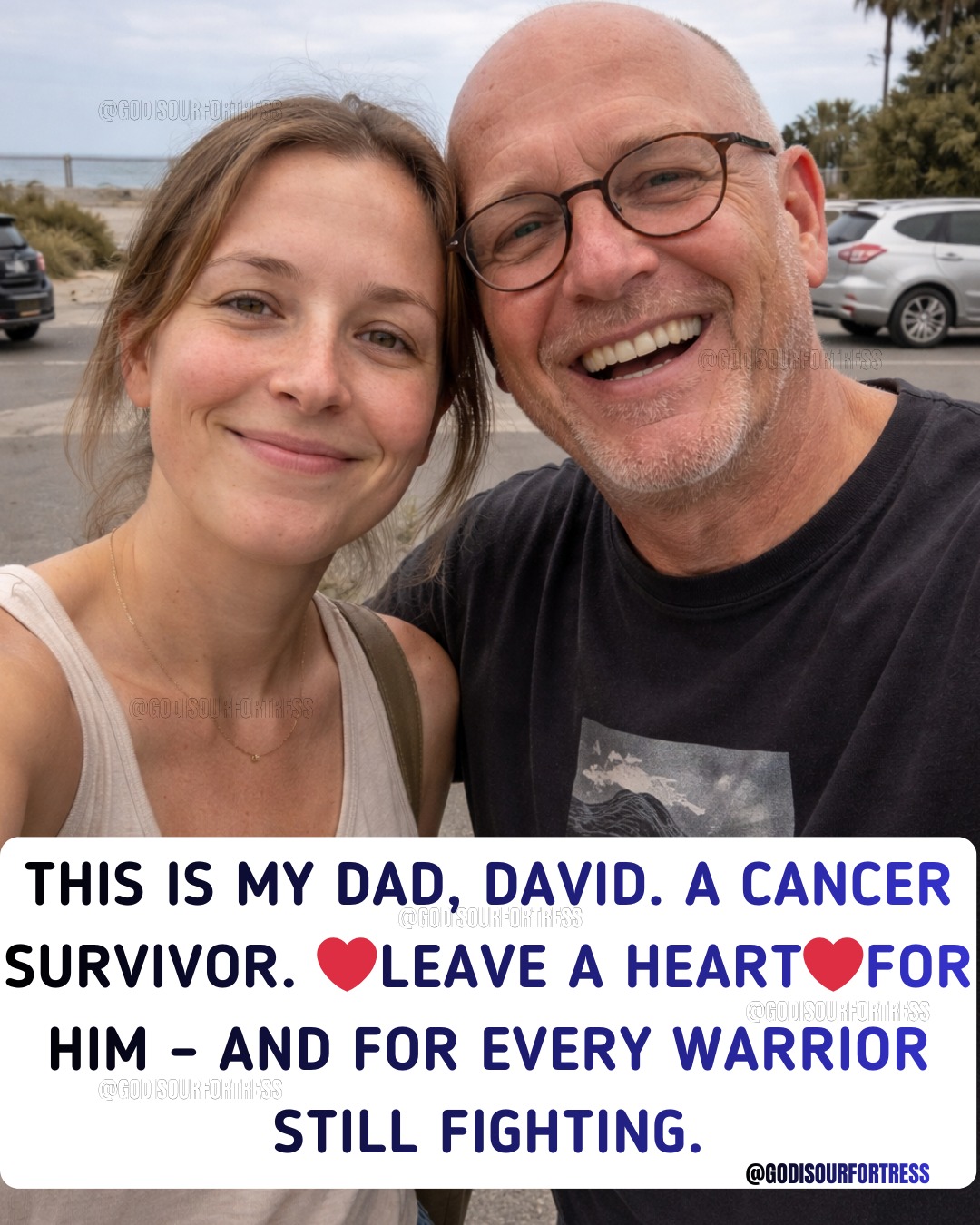
This is my dad, David, a cancer survivor whose journey is a powerful reminder that hope can endure even during life's most difficult chapters. His experience was not a straight or easy path. It unfolded over time, shaped by long days of uncertainty, moments of quiet fear, and countless hours spent waiting for answers.
Like many families facing serious illness, we learned quickly that patience and resilience become part of everyday life. This is his story, and ours.
The Diagnosis That Changed Everything
There's a moment every cancer family remembers: the phone call, the doctor's office, the words that divide life into before and after. For us, it came on an ordinary day that became extraordinary in the worst way.
David listened to the diagnosis with the same steadiness he'd brought to everything else in his life. He asked practical questions. He took notes. He didn't cry until later, alone, when the weight of it finally landed. That duality, composed in public and honest in private, would define his entire journey.
The Long Middle: Treatment and Waiting
Medical appointments, treatments, and recovery periods became routine, yet each carried its own emotional weight. There were days when the road ahead felt unclear and progress seemed slow. Chemotherapy days blurred together. Waiting rooms became familiar territory. Test results arrived with the power to reorder our entire emotional world in a single sentence.
Through it all, David continued forward with determination, choosing to face each challenge with courage and an unwavering will to keep going. But "strength" in this context didn't mean never being afraid. It meant being afraid and showing up anyway. It meant bad days where he barely got off the couch, followed by mornings where he insisted on making breakfast like always. Real strength, we learned, is not the absence of struggle. It's the refusal to be defined by it.
What Stood Out: Light in Ordinary Moments
What stood out most was not just his strength, but his ability to find light in ordinary moments: a shared laugh over something silly on television, a peaceful morning coffee on the porch, the comfort of family close by during the hardest weeks.
Cancer changes more than the body. It changes perspective. Surviving such an experience reshapes how life is viewed, bringing a deeper appreciation for time, relationships, and the simple moments that once felt routine. David started noticing things he'd rushed past for decades: the particular way morning light hit the kitchen table, the sound of his grandchildren's laughter from the next room, the feeling of a good day with no appointments on the calendar.
For David, the journey fostered gratitude: for the support he received, for the people who stood by him, and for each new day that followed the difficult ones. Gratitude didn't erase the hardship. It coexisted with it, and that coexistence became its own kind of healing.
The People Who Carried Us
This experience also revealed how important community and compassion truly are. The meals that appeared on our doorstep. The friends who drove to appointments without being asked. The nurses who remembered not just his chart but his jokes. The fellow patients in the waiting room who nodded with the particular understanding of people walking the same road.
No one survives cancer alone, even the strongest person. David's story is inseparable from the network of care that surrounded him: medical professionals who brought skill and humanity in equal measure, family members who reorganized their lives around his needs, and friends who showed up consistently long after the initial crisis faded from everyone else's attention.
If you're supporting someone through illness, know this: the help matters more than you think, especially months in, when the casseroles stop coming and the road is still long. Keep showing up.
What We Learned About Strength
David's journey redefined what strength means for our entire family:
- Strength is asking for help: The strongest thing David did was accept assistance gracefully, allowing others the gift of giving.
- Strength is honesty: Admitting fear, sadness, and exhaustion isn't weakness. It's the prerequisite for genuine courage.
- Strength is routine: Getting up, going to treatment, eating the meal, taking the walk. Unremarkable actions, repeated daily, are what survival actually looks like.
- Strength is humor: The ability to laugh, even darkly, even briefly, in the middle of hardship is not denial. It's defiance.
- Strength is gratitude: Noticing what's still good doesn't minimize what's hard. It keeps the hard from being the whole story.
Life After: The New Normal
Survivorship brings its own challenges: the anxiety before every follow-up scan, the permanent recalibration of what "normal" means, the strange guilt of having made it when others didn't. David navigates these with the same steady determination he brought to treatment, and with a new tenderness toward life's fragility.
He doesn't take mornings for granted anymore. None of us do. That's the gift hidden inside the hardest chapter of our family's story: a fiercer, more deliberate love for ordinary days.
Frequently Asked Questions
How can I support a parent going through cancer treatment?
Show up consistently, offer specific help rather than vague offers ("I'll drive you Thursday" beats "let me know if you need anything"), respect their need for normalcy, and keep supporting them months into the journey when others fade away.
What does "strength" look like during cancer treatment?
It's rarely dramatic. Real strength looks like showing up for appointments, being honest about fear, accepting help, finding moments of humor, and continuing daily routines through hardship.
How do families cope with the uncertainty?
By taking it one step at a time, communicating openly, leaning on community, and allowing space for both hope and grief to coexist. Professional counseling can help when the weight becomes too much.
What is scanxiety?
The anxiety survivors feel before follow-up scans and while awaiting results. It's extremely common and valid. Having coping strategies and supportive people nearby during these periods helps significantly.
How has survivorship changed David's outlook?
It deepened his appreciation for ordinary moments, strengthened his gratitude for community, and redefined his understanding of strength as persistence, honesty, and love rather than stoicism.