
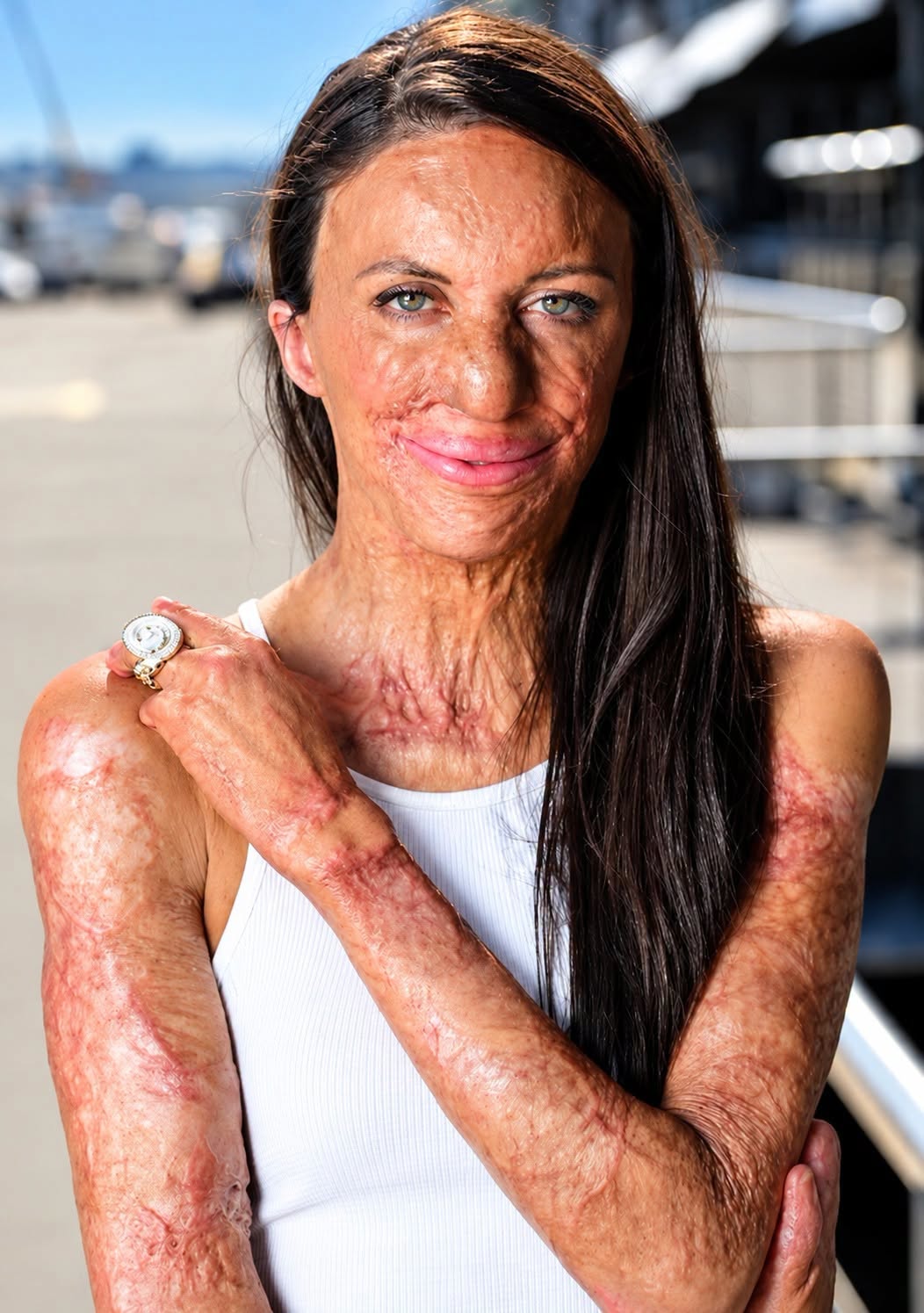
Emma had always considered herself a careful person. She checked the locks before going to sleep, avoided leaving candles unattended, and tried to follow the basic precautions that made her home feel safe. Like many people, she believed that serious accidents usually happened because someone had ignored an obvious warning or taken an unnecessary risk.
She never imagined that one of her most familiar nighttime habits could become a source of danger.
Every evening, Emma brought her phone into the bedroom. She used it to answer messages, check the weather, watch short videos, and catch up on social media before going to sleep. It was an ordinary routine that millions of people share. After a long day, a few minutes of scrolling felt like a harmless way to relax.
Eventually, sleep would take over. Emma would connect her phone to its charger, place it beside her pillow, pull up the blanket, and close her eyes. On some nights, she left the device close enough to reach without getting out of bed. On others, she placed it near the edge of her pillow so she could check it if a message arrived.
She rarely gave the arrangement a second thought.
The phone had been beside her bed countless times without incident. Nothing about the routine seemed unusual, and she had no particular reason to believe that the night ahead would be different.
But one warm evening in July, Emma’s familiar bedtime routine was followed by an experience that would change her life.
The Night Everything Changed
Emma had spent the day dealing with the usual responsibilities of daily life. By the time she entered her bedroom, she was exhausted and ready to rest. The weather was warm, and the room still held some of the day’s heat.
She changed into comfortable clothes, climbed into bed, and picked up her phone. A few messages needed attention, and several notifications had appeared during the day. She checked them one after another, occasionally smiling at something she saw on the screen.
Eventually, she began to feel sleepy.
Emma connected the phone to its charger and placed it beside her. The familiar charging symbol appeared, reassuring her that everything was working as expected. She pulled the blanket over herself, adjusted her pillow, and settled into the quiet room.
The air conditioner hummed softly in the background. Her phone occasionally vibrated with another notification. Within a short time, Emma fell asleep.
She had no idea that she would soon wake to a frightening situation.
At first, she heard a small sound. It was brief and unfamiliar, something resembling a tiny electrical snap. She was only partly awake, so she did not immediately understand what she had heard.
Then she noticed an unusual smell.
It was faint at first, but it reminded her of overheated electrical equipment. Still sleepy, Emma shifted beneath the blanket and tried to settle back into a comfortable position.
Moments later, the smell became stronger.
When she opened her eyes, she noticed an orange glow beside her bed. For a few seconds, she struggled to understand what she was seeing. The room was dark, but smoke was beginning to move through the air.
Then she realized that her pillow and nearby bedding were on fire.
The sight was so unexpected that she froze briefly. Her bedroom was supposed to be the safest, most familiar place in her home. She had gone to sleep expecting an ordinary night, not an emergency.
Instinct quickly replaced confusion.
Emma pulled herself away from the burning bedding and tried to move the blanket out of the way. The heat was intense, and the situation was becoming more serious by the second. Smoke was spreading through the room, making it increasingly difficult to see and breathe comfortably.
She understood that she could not treat the situation as a minor problem.
She needed to escape.
A Desperate Attempt to Get to Safety
Emma stumbled out of bed and made her way toward the bedroom door. The smoke irritated her eyes and throat, and fear made it difficult to think clearly.
Everything familiar suddenly seemed confusing. The room she had entered countless times now felt like a place she needed to escape as quickly as possible.
She reached the hallway and continued moving away from the fire. In the confusion, she headed toward the bathroom, where she turned on the water and tried to cool her injured skin.
The pain became more apparent as the shock began to wear off.
Emma called for help. Her cries alerted people nearby, and emergency services were contacted. Outside, the sound of approaching sirens offered some reassurance that assistance was on its way.
By the time emergency responders arrived, the bedroom had sustained significant fire and smoke damage. They found Emma frightened, disoriented, and suffering from serious injuries.
The responders treated her and arranged for her to receive urgent medical attention.
The ordinary evening she had expected was gone. In its place was an experience that would lead to a long period of treatment, rehabilitation, and emotional adjustment.
Waking Up in the Hospital
When Emma became more aware of her surroundings, she found herself in a hospital bed.
Her body felt heavy, and movement caused discomfort. Her arms were wrapped in bandages, her face felt swollen and tight, and her throat was sore. The unfamiliar sounds of medical equipment and the activity around her made it difficult to understand how much time had passed.
For a moment, she simply stared at the ceiling.
Then she tried to move and immediately realized that something was wrong.
A member of the medical team explained that she had survived a house fire. Emma already remembered fragments of what had happened, but hearing the explanation made the experience feel more real.
She was alive, but she had a difficult recovery ahead.
Doctors and medical professionals would need to assess her injuries, plan treatment, and help her regain as much function as possible. The process would involve patience, rehabilitation, and regular medical care.
Emma could not yet imagine what her life would look like in the months ahead.
One of the most difficult moments came when she wanted to see her reflection.
She had expected to look tired and perhaps a little different after the emergency. Instead, she saw visible injuries, swelling, and areas of skin that had been severely affected.
She struggled to recognize the person looking back at her.
The experience brought a new wave of fear. She wanted to recover, but she did not know what recovery would mean for her appearance, independence, or future.
She wondered whether she would ever feel comfortable in her own body again.
There were no simple answers. Her medical team could explain the treatment process, but no one could promise that every challenge would be easy or that healing would happen quickly.
Emma would have to face the process one day at a time.
The Difficult Reality of Recovery
People often celebrate stories about survivors. They focus on the moment someone returns to an activity, reaches a goal, or speaks publicly about an experience that once seemed impossible to overcome.
Those moments can be meaningful, but they rarely show the full reality of recovery.
For Emma, healing was not a straight path toward improvement. Some days were encouraging, while others were exhausting. Tasks she had once completed without thinking required considerable effort.
Getting out of bed could feel like an accomplishment. Moving her arms, stretching, reaching for objects, and performing everyday activities sometimes required patience and careful practice.
Medical appointments and rehabilitation sessions became part of her routine. There were procedures she dreaded and difficult nights when sleep brought little relief.
At times, she woke up and immediately remembered the fire.
The emotional impact was just as challenging as the physical recovery. Emma felt frustrated that an ordinary evening had led to such serious consequences. She missed the ease of her former life and sometimes wondered whether she could have done something differently.
Questions repeatedly returned to her mind.
Why had she never considered the possibility? Why had the routine seemed so harmless? Could she have noticed a warning sign earlier?
These questions were difficult because she did not have complete answers.
The exact technical cause of a fire can depend on several factors, including the condition of the electrical equipment, the charger, the battery, and the surrounding materials. Without reliable investigative findings, it would not be possible to determine precisely what caused Emma’s fire.
What she knew was that the experience had exposed a risk she had never seriously considered.
She also began to understand how easily people can mistake familiarity for safety.
When a routine has been repeated hundreds of times without a problem, it becomes easy to stop evaluating it. People naturally assume that tomorrow will be similar to yesterday.
Most everyday habits do not lead to emergencies. Nevertheless, some deserve closer attention, particularly when electrical equipment and materials that can burn are involved.
For Emma, that realization became an important part of moving forward.
Learning to Live With Visible Scars
As her physical recovery progressed, Emma faced another challenge: returning to public life.
Before the fire, she had rarely thought about how strangers might react to her appearance. Now she was more aware of the way people looked at her.
Some people tried not to stare. Others appeared curious but hesitated to ask questions. A few seemed unsure how to behave around someone with visible scars.
Even when people meant well, their reactions could make ordinary interactions uncomfortable.
Children sometimes asked direct questions, while adults often remained silent. Emma understood that people did not always know what to say, but that did not make every encounter easy.
She also struggled with decisions about clothing.
Should she wear something that covered more of her skin? Would a particular outfit attract unwanted attention? Would people ask questions if her scars were visible?
For a time, she found herself thinking about other people’s reactions before deciding what made her comfortable.
Eventually, she became tired of allowing those concerns to shape every choice.
She began to recognize that she did not owe everyone an explanation. If someone asked about her scars and she felt comfortable discussing them, she could share her experience. If she preferred not to talk about it, she could simply say that she had survived a fire.
That answer was enough.
Her scars were part of her history, but they did not give strangers the right to know every detail of her life.
Gradually, Emma began to reclaim the freedom to decide how she wanted to look, what she wanted to wear, and when she wanted to discuss her experiences.
The change did not happen overnight. Confidence returned through small decisions, repeated over time.
The First Step Back Into the World
Months into her recovery, Emma found herself standing near the entrance of a building, preparing to go outside.
It was a simple moment, but she had been indoors for so long that the outside world felt unfamiliar.
Cars passed along the street. People walked to their destinations. Somewhere nearby, someone laughed, and a dog barked.
Everything appeared ordinary.
Yet Emma was experiencing the world differently. While she had been focused on medical treatment and recovery, everyday life had continued around her.
People had gone to work, children had attended school, and families had continued with their plans.
She realized that her life could not remain suspended around the night of the fire forever.
Taking a breath, she stepped outside.
There was no dramatic announcement or crowd waiting to celebrate her. No one needed to understand the significance of that moment.
For Emma, however, it represented a meaningful step toward independence.
She was beginning to participate in ordinary life again, even though she still carried the physical and emotional effects of what had happened.
She did not need to feel completely confident before moving forward. She only needed to be willing to take the next step.
Finding Strength Through Swimming
One of the activities that gradually became important to Emma was swimming.
Athletic training had once been part of her identity, and returning to physical movement gave her a goal beyond simply completing medical appointments.
The pool offered a different environment from the one in which she had spent much of her recovery. Water supported her body while also providing resistance, allowing her to work on movement and endurance in a controlled setting.
At first, she was not trying to achieve an impressive result.
She concentrated on the basics.
One length of the pool. A short rest. Another length. Then another.
Some sessions left her exhausted. Other days, progress felt almost impossible to measure. She had to learn to respect her physical limits while continuing to work toward improvement.
Slowly, she began to feel stronger.
Her confidence increased as she became more comfortable in the water. Training gave her a way to focus on what her body could still do rather than only on what had changed.
Emma eventually returned to more serious athletic activity.
She was not exactly the same person she had been before the fire. Her experiences had changed her understanding of her body, her priorities, and the meaning of progress.
But she had discovered that a changed life could still contain meaningful goals.
Her scars did not disappear, and her memories did not simply vanish. Instead, she learned to build new experiences alongside them.
Swimming became a reminder that recovery did not require her to return to the person she had been before the accident.
She could become someone new without losing the parts of herself that mattered.
When Fear Followed Her Into the Night
Despite her progress, Emma continued to experience difficult moments.
Sometimes she woke suddenly in the darkness, her heart racing. For a few seconds, she struggled to distinguish the present from the memory of the fire.
An unfamiliar smell or a small electrical sound could bring back the fear she had felt in her bedroom that night.
She became more attentive to electrical equipment around her home. Before going to sleep, she checked the condition of chargers and cables and made sure devices were not covered by bedding.
Some of these precautions were sensible safety habits. However, the experience also left her struggling with how much checking was enough.
She wanted to protect herself, but she did not want fear to control the rest of her life.
Learning that balance took time.
Emma gradually recognized that taking reasonable precautions was different from expecting another disaster every night. She could acknowledge what had happened without assuming that the same thing would happen again.
Her recovery included learning to feel safe in familiar spaces, even when memories occasionally returned.
She did not have to forget the fire to move forward.
She had to learn that the event was part of her past, not the whole of her future.
Turning a Personal Experience Into a Safety Message
As Emma became more comfortable discussing her experience, she began sharing the practical lessons she had taken from it.
She did not want people to become frightened of their phones or to believe that every charger was dangerous. She knew that electrical fires can have different causes and that one person’s experience cannot establish what will happen in every household.
Instead, she wanted people to pay attention to the condition of their equipment and the environment in which they used it.
Her message was straightforward: ordinary routines should not prevent people from noticing warning signs.
She encouraged others to follow the manufacturer’s instructions for their devices and chargers, replace damaged cables and adapters, and avoid using equipment that showed signs of deterioration.
She also emphasized the importance of keeping charging devices away from bedding, pillows, and other materials that could trap heat or catch fire.
Phones and other electronic devices should not be covered while charging, particularly when doing so can prevent heat from escaping. People should also pay attention to unusual warmth, burning odors, sparks, swelling, or visible damage.
If a device or charger appears unsafe, it is better to stop using it and follow the manufacturer’s guidance rather than assume the problem will disappear.
Emma also wanted people to understand that an ordinary-looking situation can still deserve attention.
A cable that has worked for years may eventually become damaged. A charger that has been dropped or bent may no longer be in good condition. Equipment that becomes unusually hot should not be dismissed simply because it has worked previously.
These precautions are practical steps, not reasons to live in constant fear.
Emma hoped that people would make small changes before an emergency gave them a reason to reconsider their habits.
A Message From Someone She Had Never Met
Several months after Emma began sharing her story, she received a message from a woman she did not know.
The woman explained that she had read about Emma’s experience before going to sleep one evening.
Like Emma, she usually charged her phone beside her bed. She had never considered the routine particularly important, and she had no reason to believe that anything was wrong.
After reading the story, however, she decided to move her phone away from the bedding.
While checking the charging equipment, she noticed that the cable was damaged and that the charger seemed unusually warm.
She disconnected the equipment and replaced the damaged cable rather than continuing to use it.
The woman acknowledged that she could not know whether anything serious would have happened if she had continued using it. Perhaps the charger would have worked without incident.
But she had noticed a problem she might otherwise have ignored.
At the end of her message, she thanked Emma for encouraging her to take the situation seriously.
Emma read the message more than once.
For so long, she had struggled with questions about the night of the fire. She had wondered whether the experience would always be defined by pain, loss, and the things she could no longer do as easily.
Now she was hearing from someone who had changed a practical habit after learning about her experience.
It did not make the fire worthwhile, nor did it erase what she had endured. But it gave her a new understanding of how sharing a difficult experience could help someone else make a safer decision.
For the first time, she could see a direct connection between her recovery and the lives of people who might never meet her.
The Photograph She Thought She Had Lost
There was one personal loss Emma rarely discussed.
Before the fire, she had kept a photograph of herself in her bedroom. It was not an expensive picture or a particularly famous image. It mattered because it reminded her of a happier period of her life.
The photograph had been destroyed during the fire, or so she believed.
For years, she remembered it as one of the many small things that had disappeared when her bedroom was damaged.
Then, while going through belongings recovered after the incident, she came across a damaged box containing several items.
Most of the contents were ruined. Beneath them, however, she found a small fragment of paper.
She examined it carefully and realized that it was part of the missing photograph.
Only a portion of the image remained. Its edges were damaged, and much of the picture was gone, but she could still recognize herself.
Emma could have discarded the fragment. Instead, she decided to keep it.
She had spent years thinking about the photograph as something that represented what the fire had taken away. Finding even a small part of it encouraged her to look at it differently.
The fragment did not restore the original picture, just as recovery could not return her life to exactly the way it had been.
But it had survived.
She chose to frame the fragment as a reminder of the person she had been and the person she had become.
It was a small object, yet it held a meaning that was difficult to explain to anyone who had not experienced a similar loss.
Learning That Her Scars Did Not Define Her
As time passed, Emma became more comfortable appearing in public without trying to hide every scar.
She returned to activities she enjoyed, spent time with people she cared about, and began taking photographs again.
When someone asked about her appearance, she decided whether she wanted to answer. Sometimes she explained what had happened. Other times, she preferred to continue the conversation without discussing the fire.
She learned that she could be open about her experience without allowing it to become the only thing people knew about her.
Emma was still a friend, a family member, an athlete, and someone with ordinary interests and ambitions.
She could enjoy music, laugh at a joke, have a difficult day, or look forward to something new.
The fire had changed her life, but it had not erased her personality or her right to have a future that was about more than survival.
When people asked what had been hardest about recovery, Emma’s answer was not always what they expected.
The physical injuries, treatment, and rehabilitation had been demanding. But another challenge had been learning to recognize herself again.
She had to understand that she was more than the person who had been injured, more than the patient in the hospital, and more than the survivor in a dramatic story.
She did not need to deny the past to reclaim the rest of her identity.
Nor did she have to feel positive about her scars every day.
Some days, she felt proud of what she had overcome. Other days, she simply wished the fire had never happened.
Both feelings could exist at the same time.
Surviving a traumatic experience does not require someone to describe it as a blessing. It is possible to regret what happened while still being proud of the life built afterward.
Emma gradually accepted that distinction.
An Unexpected Reunion Years Later
Years after the fire, Emma stood beside a swimming pool preparing for an athletic event.
The water stretched in front of her, and other participants were getting ready. People gathered nearby, talking quietly as they waited for the event to begin.
Emma looked at her hands. The scars were still visible.
They had not disappeared with time, and she no longer expected them to.
Someone called her name, and she turned toward the sound.
After the event, a woman approached her from the crowd. Emma did not immediately recognize her, but the woman appeared to have something important to say.
She explained that she had first heard Emma’s story months earlier.
At the time, she had been charging her own phone beside her bed. After learning about the fire, she changed where she charged her devices and replaced an old cable that showed signs of damage.
She also talked with her family about keeping charging phones away from blankets and other materials that could trap heat.
Over time, the household adopted a few new safety habits.
The woman wanted Emma to know that the story had affected more than her own routine. It had encouraged her family to pay attention to the condition and placement of their electronic devices.
Then she handed Emma an envelope.
Inside was a photograph.
Emma looked down and froze.
It was the picture she had believed was gone forever.
She stared at the image, trying to understand how it had survived. The woman explained that a copy had been preserved among old belongings and had only recently been rediscovered.
Recognizing Emma, she had decided to bring it to her.
For a few moments, Emma could not find the words to respond.
The photograph connected her to a time before the fire, a period of life she had sometimes struggled to remember without thinking about everything that followed.
But the woman had brought it for another reason.
She explained that the picture was not simply a reminder of the person Emma had been before the accident. It was also a reminder of the person who had continued living, learning, and rebuilding afterward.
When Emma turned the photograph over, she noticed a handwritten message on the back.
It read: “You survived the night. Now help someone else see the morning.”
Emma recognized the handwriting as her own.
She had written the words during a difficult period of recovery, when she was trying to find a reason to keep moving forward. Over time, she had forgotten about the note.
Now the message had returned to her in an unexpected way.
The moment brought tears to her eyes.
She had once feared that the person she had been before the fire was gone forever. The photograph reminded her that her past had not vanished, even though her life had changed.
And the message reminded her that she had already begun creating a future she could not have imagined in the hospital.
The New Routine That Helped Her Feel Safe
Eventually, Emma developed a different nighttime routine.
She no longer placed her phone beside her pillow. Instead, she charged electronic devices in a suitable location away from bedding and other materials that could trap heat.
She checked that her charging equipment was in good condition and paid attention to the manufacturer’s instructions.
Once everything was ready for the night, she put her phone away and turned off the light.
At first, the darkness sometimes brought back uncomfortable memories. She had spent so long associating her bedroom with danger that it took time to feel at ease again.
Gradually, however, the room became a place of rest rather than a reminder of the fire.
She could remember what had happened without expecting it to happen again.
Emma had not forgotten the night that changed her life. She had learned to live with the memory while making practical choices that supported her sense of safety.
Her experience had also taught her that rebuilding is not the same as restoring.
Restoration suggests returning something to the condition it had before. Rebuilding acknowledges that circumstances have changed and focuses on creating something meaningful from the life that remains.
Emma could not return to the exact person she had been before the fire.
She could, however, choose what came next.
She could continue training, spend time with people she loved, share useful safety information, and pursue goals that had nothing to do with her injuries.
She could also have difficult days without treating them as evidence that she had failed to recover.
Her life was not perfect, but it was hers again.
Practical Lessons About Phone Charging and Fire Safety
Emma’s experience offers an opportunity to think more carefully about everyday electrical safety.
Mobile phones and their chargers are common household items, and many people use them immediately before going to sleep. Because the routine feels familiar, it can be easy to overlook the condition of the equipment or where it is placed.
A few straightforward precautions can help reduce avoidable risks.
Use compatible charging equipment. Follow the device manufacturer’s instructions and use chargers and cables designed for the device or confirmed to be compatible.
Replace damaged cables and adapters. Fraying, exposed wires, bent connectors, cracked casings, or other visible damage are reasons to stop using the equipment.
Keep charging devices away from bedding. Avoid placing phones, chargers, or power adapters under pillows, blankets, or mattresses. These materials can restrict heat dissipation and may increase fire risk if equipment overheats or malfunctions.
Pay attention to unusual heat or odors. A device or charger that becomes unusually hot, produces a burning smell, sparks, or shows signs of battery swelling should not be ignored. Disconnect power only if it is safe to do so, and follow the manufacturer’s safety guidance.
Avoid charging damaged devices. If a phone or battery is swollen, visibly damaged, or behaving unusually, stop using it and seek appropriate professional guidance.
Keep electrical equipment in good condition. Inspect charging accessories periodically and replace equipment that no longer appears safe.
Make smoke alarms part of household safety. Working smoke alarms can provide an early warning during a fire. Follow local fire-safety guidance for installation, testing, and maintenance.
If a fire starts and begins spreading, do not risk serious injury trying to save a device or extinguish a fire that is beyond your ability to control. Leave the building, alert others if you can do so safely, and contact local emergency services from a safe location.
These precautions cannot eliminate every possible hazard, but they can help people recognize problems and make safer decisions.
It is also important to remember that Emma’s experience alone does not establish the exact cause of the fire. Determining the cause of a specific electrical incident requires appropriate evidence and investigation.
The broader lesson is not that charging a phone inevitably leads to danger. It is that electrical equipment should be used and maintained responsibly, even when it has become part of an ordinary daily routine.
A Life That Continued Beyond the Fire
When Emma tells her story today, she does not want people to remember only the flames, the hospital, or the scars.
She wants them to understand the entire experience: the familiar bedtime habit, the frightening emergency, the difficult recovery, and the gradual process of rebuilding a life.
She also wants people to understand that a person’s identity is not limited to the worst thing that has happened to them.
For a long time, Emma wondered whether she would ever feel normal again. Eventually, she began to question what normal really meant.
She could not erase the experience or return to every detail of her former life. Trying to measure her progress against an unchanged past only made it harder to recognize the life she was building in the present.
Instead, she began to focus on what she could do now.
She could swim. She could make plans. She could reconnect with people. She could choose how to talk about her scars. She could help others recognize everyday safety concerns.
Some days were still difficult, and some memories remained painful. But those experiences no longer had to determine every decision she made.
The fire was part of her history, not the complete definition of who she was.
Perhaps the most meaningful change was not that Emma became fearless. She did not need to become fearless.
She learned to distinguish between sensible caution and constant fear. She learned that she could take safety seriously without expecting disaster around every corner. And she learned that moving forward did not require pretending that the past had never happened.
Her nighttime routine became simpler and more deliberate. Her goals extended beyond recovery. Her understanding of herself grew beyond the identity of a survivor.
Emma had lost parts of the life she once knew, but she continued building a future with room for new experiences, relationships, and achievements.
Her story carries a practical reminder for anyone who relies on electronic devices every day: familiar habits deserve occasional attention, especially when they involve electricity, heat, and materials that can burn.
It also carries a quieter message about life after adversity.
A traumatic experience can change a person’s circumstances, appearance, and sense of security. It can create challenges that take months or years to navigate. Yet it does not automatically determine everything that follows.
People can struggle and still make progress. They can regret what happened and still find happiness afterward. They can carry visible reminders of the past while discovering new reasons to look toward the future.
Emma’s scars remained, but so did her ability to grow, connect with others, and pursue the activities she valued.
She no longer needed her life to look exactly as it had before the fire.
She needed it to feel like a life she could continue living.
And that was what she gradually learned to build: not a perfect return to the past, but a future shaped by awareness, resilience, and the freedom to keep moving forward.
