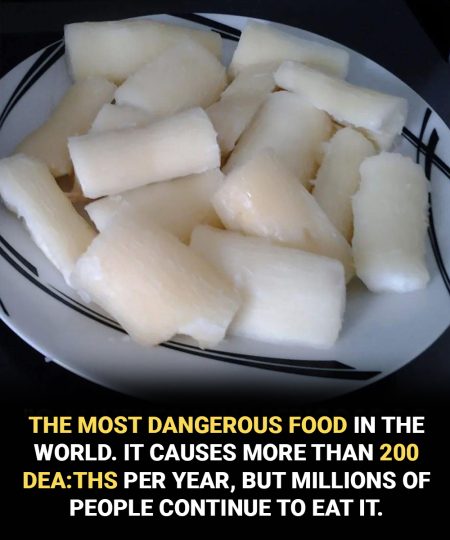
Cassava is enjoyed in homes around the world, from South America to Southeast Asia. It’s affordable, versatile, and a key ingredient in many traditional dishes. But what many people don’t realize is that cassava must be prepared properly to ensure it’s completely safe to eat.
With the right steps, the root becomes a nutritious and delicious addition to meals. Without those steps, it may pose health risks—especially in areas where traditional preparation methods aren’t widely practiced.
Why Cassava Needs Proper Preparation
Some varieties of cassava, especially the “bitter” type, contain natural compounds that can release toxins if not handled correctly. These compounds are harmless once the cassava is peeled, soaked, and thoroughly cooked, but they can remain if the root is eaten raw or undercooked.
Traditional preparation methods developed for centuries help remove these substances, which is why many cultures safely enjoy cassava every day.
When Problems Occur
Most concerns arise in communities that lack access to clean water, fuel for cooking, or knowledge of proper preparation techniques. In challenging situations—such as droughts, food shortages, or disruptions to normal cooking routines—improperly processed cassava may be consumed.
These situations are rare, but they highlight the importance of awareness and safe food practices.
A Rare Condition Linked to Improper Processing
In some regions with limited nutrition options, repeated consumption of inadequately prepared cassava has been associated with a neurological condition known as konzo. This condition affects the nervous system and may cause weakness in the legs. It is uncommon and typically linked to extreme hardship and lack of access to varied foods.
Simple Steps to Make Cassava Safe
Fortunately, making cassava safe is straightforward. These traditional techniques are easy to follow at home:
1. Peel Thoroughly
Remove all outer layers of the root, where most of the natural toxins are found.
2. Soak or Ferment
Place grated or peeled cassava in clean water for 24–48 hours. Many traditional recipes, such as those in Northern Brazil, use a similar method.
3. Cook Completely
Boil the cassava until soft—usually at least 20 minutes. Cassava should never be eaten raw.
4. Pair With Protein
Including foods like eggs, fish, beans, or lentils can support the body’s natural detoxification processes.
Cassava’s Positive Side
When properly prepared, cassava is a valuable food:
-
Rich in complex carbohydrates
-
Naturally gluten-free
-
A source of fiber
-
Excellent for breads, snacks, and traditional dishes
It’s a staple in many cultures for a reason—it’s filling, accessible, and adaptable to countless recipes.
Final Thoughts
Cassava itself isn’t dangerous. The key lies in preparation. By peeling, soaking, and cooking it correctly—and enjoying it as part of a balanced diet—you can savor this global favorite safely.
Traditional knowledge and modern understanding go hand in hand to ensure cassava remains a nutritious and enjoyable part of the table.