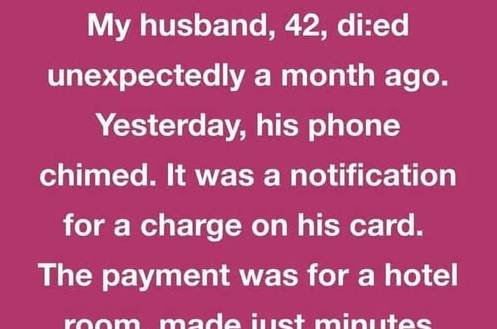
A Tale of Grief and Deception: How One Woman Faced a Heartbreaking Scam After Her Husband's Passing
Stories like this circulate widely online because they touch something painfully real: grief makes people vulnerable, and some scammers know exactly how to exploit that vulnerability. Whether or not any single viral story happened exactly as told, the pattern behind it is well documented. Fraudsters routinely target people who have recently lost a loved one, using emotional manipulation to steal money, identities, or both.
This guide explains why grieving people become targets, which scams are most common, how to spot the red flags, and the concrete steps you can take to protect yourself or someone you love.
Why Grief Creates an Opening for Scammers
Grief does not make anyone foolish. It makes them human, and scammers exploit very specific conditions that loss creates:
- Emotional overwhelm. A grieving person is processing shock, sadness, and exhaustion at the same time. Decision-making suffers when the mind is flooded.
- Disrupted routines. The person who handled bills, passwords, or paperwork may be gone. The survivor is suddenly managing unfamiliar financial tasks while grieving.
- A hunger for connection. In early grief, many people would give anything for one more message, one more sign. Scammers who fake contact from the deceased are weaponizing love itself.
- Public information. Obituaries, funeral announcements, and social media tributes often reveal full names, addresses, family relationships, and dates. That is a starter kit for identity theft.
- Isolation. Grieving people sometimes withdraw, which means fewer second opinions on suspicious messages or requests.
Understanding this is not about blame. It is about recognizing that vulnerability after loss is normal, and preparation is the antidote.
Common Scams That Target the Bereaved
Fake debts and bills
A caller or letter claims the deceased owed money and demands immediate payment from the family. In many places, family members are not personally responsible for a deceased person's debts (the estate handles them), but scammers count on survivors not knowing that.
Identity theft using the deceased's information
Criminals use details from obituaries to open credit accounts, file fraudulent tax returns, or claim benefits in the deceased person's name. This can go undetected for months because nobody is monitoring the accounts.
"Messages from beyond" and psychic scams
Someone claims they can channel the deceased, or a mysterious text or call appears to come from the loved one's phone or account. In reality, phones get hacked, numbers get spoofed, and accounts get hijacked. The goal is usually to extract money, personal information, or both.
Funeral and insurance scams
Fake callers pose as funeral homes demanding extra payment, or as insurers requiring "fees" to release a policy payout. Real insurers and funeral providers do not operate this way.
Romance and befriending scams
A new "friend" appears online during the vulnerable months after a loss, offering comfort that slowly turns into requests for money or financial access. Widows and widowers are frequent targets.
Charity and crowdfunding fraud
Fake fundraisers appear in the deceased's name, collecting donations that never reach any family or cause.
Red Flags: How to Spot Trouble
No matter the format, scam attempts share warning signs. Watch for:
- Urgency and pressure. "You must pay today" or "this offer expires in an hour" is designed to stop you from thinking or asking for advice.
- Secrecy. Being told not to tell family members or friends is a major red flag. Legitimate business never requires secrecy from your loved ones.
- Unusual payment methods. Demands for wire transfers, gift cards, cryptocurrency, or cash apps are hallmarks of fraud.
- Emotional bait. Messages that arrive at moments of peak emotion, or that claim to be from the deceased, deserve extreme skepticism and a pause before any response.
- Requests for personal information. Account numbers, passwords, ID copies, or security codes should never be shared with unexpected contacts.
- Too-good or too-strange to be true. A surprise inheritance requiring an upfront fee, or a "miracle" message from a lost phone, warrants verification through independent channels.
Practical Protection Steps After a Loss
Taking these steps early closes the windows scammers use most:
- Secure the deceased's accounts. Change passwords or close online accounts, email, and social media profiles. Enable two-factor authentication where you keep access.
- Notify the major institutions. Inform the bank, credit card companies, and relevant government agencies of the death so accounts are flagged.
- Consider a credit freeze. Freezing credit for both yourself and, where possible, the deceased's file makes it much harder for thieves to open new accounts.
- Limit obituary details. Avoid publishing the exact address, mother's maiden name, or other identity details in public death notices.
- Designate a trusted second opinion. Ask a friend or family member to review any unexpected financial request before you act on it. A simple rule, "I don't pay or share anything without checking with someone first," stops most scams cold.
- Set up mail handling. Redirect or monitor the deceased's mail so account statements and documents don't sit exposed.
- Be cautious with the phone. A lost or stolen phone can be used to impersonate the deceased. Report it, lock it remotely if possible, and tell close contacts to treat strange messages skeptically.
What to Do If You Have Been Targeted
If you suspect a scam, act quickly and without shame. Reporting helps protect others too.
- Stop all contact. Do not argue with or confront the scammer; just disengage.
- Document everything. Save messages, numbers, emails, and receipts. Screenshots with dates are valuable.
- Contact your bank. If money moved, call the bank immediately. Fast reporting improves the chance of recovery.
- Report to authorities. File a report with local police and with your country's consumer fraud reporting body. Reports create records that help investigators spot patterns.
- Alert the credit bureaus. If personal information was shared, place fraud alerts on your credit files.
- Seek emotional support. Being scammed while grieving can feel like losing the person twice. A counselor, support group, or trusted friend can help process that layered pain. There is no shame in having been targeted; skilled manipulators deceive careful people every day.
How to Protect a Grieving Loved One
If someone you care about has recently lost a partner or family member, you can help without being intrusive:
- Offer to sit with them while they handle paperwork and calls, as a calm second pair of eyes.
- Gently suggest the "check with me first" rule for any unexpected money request.
- Help them secure accounts and set up mail redirection; practical help beats advice.
- Watch for sudden secrecy about money or new online "friends," and raise concerns with kindness, not accusation.
- Keep showing up. Scammers strike when support fades, often weeks or months after the funeral.
Frequently Asked Questions
Are grieving people really targeted more often?
Yes. Consumer protection agencies regularly warn that major life disruptions, including bereavement, are prime hunting grounds for fraud. Disrupted routines plus emotional distress plus publicly available information is exactly the combination scammers look for.
What should I do if I get a message that seems to come from my late loved one's phone?
Pause. Do not follow any instructions in the message. Contact your phone carrier about the account, and reach out to close family through known channels to check whether anyone else received something similar. Treat it as a compromised account until proven otherwise.
Am I responsible for my spouse's debts after they die?
Rules vary by location, but in general, a surviving spouse is not automatically personally liable for the deceased's individual debts; debts are typically settled from the estate. Never pay a claimed debt without verifying it independently, ideally with a lawyer or a nonprofit credit counselor.
How long should I stay vigilant?
Identity theft using a deceased person's information can surface a year or more later. Keep credit monitoring in place and stay alert to unexpected mail or calls for at least a couple of years.
Is it embarrassing to admit I was scammed while grieving?
Not at all. These schemes are designed by professionals to bypass rational thinking by hijacking emotion. Reporting quickly is brave, and it protects the next potential victim.
Finding Strength After Deception
Love does not return through hijacked messages or false voices. It endures in memories, in the stories you tell, and in the life you continue to build. If deception has touched your grief, let the experience sharpen your defenses rather than harden your heart. Protect your information, lean on trusted people, and give yourself the same compassion you would offer anyone walking this road. The most powerful way to honor a loved one is to keep living fully, wisely, and surrounded by people you trust.