
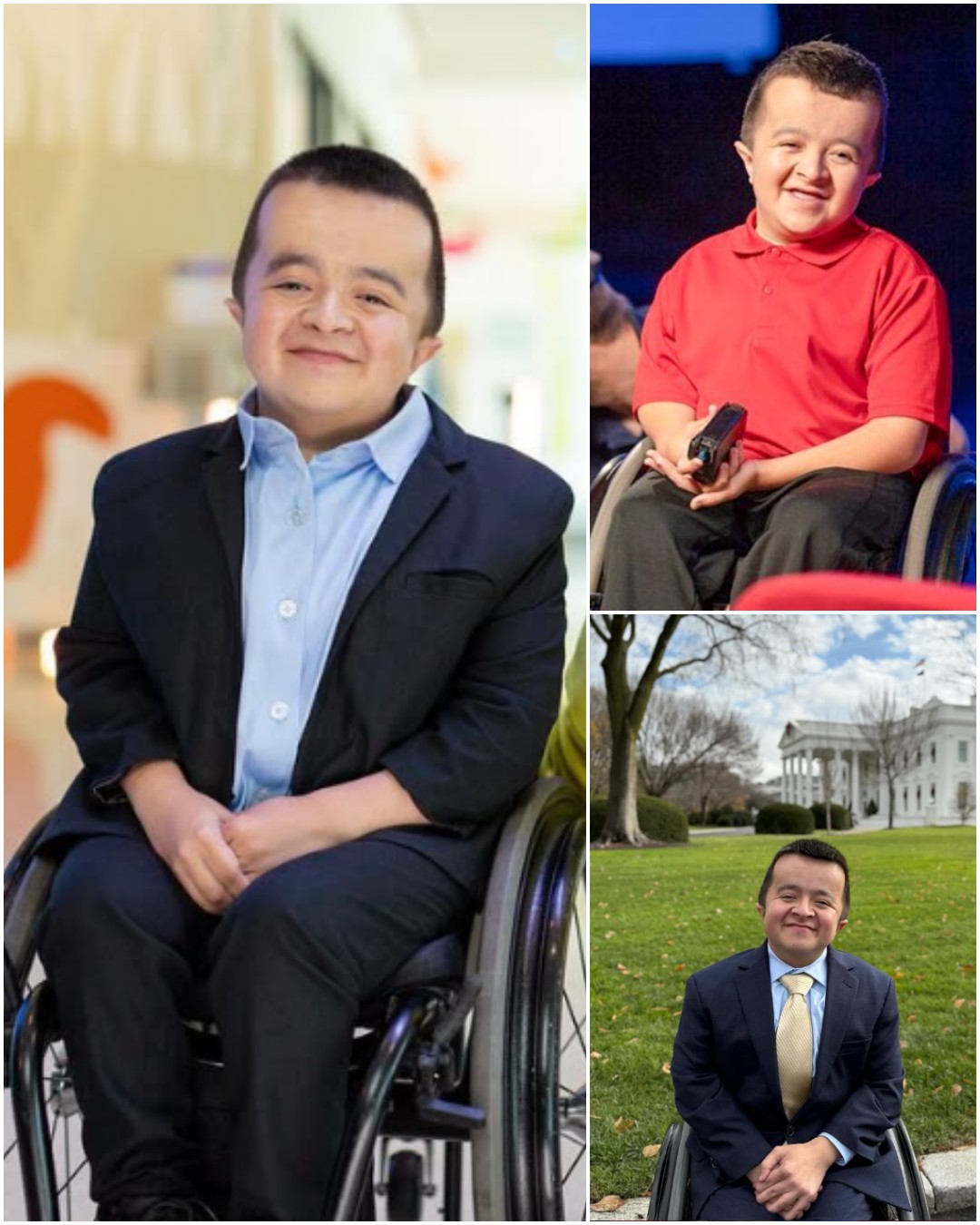
A Thoughtful Tribute to Alec Cabacungan's Legacy and a Family's Inspiring Decision
Just hours after the heartbreaking news of Alec Cabacungan's passing, his family made a powerful and unexpected decision, one that is now inspiring people around the world. In the midst of deep grief, they chose to honor Alec's life by turning their loss into a meaningful act of support for others. A significant portion of their resources has been dedicated to advancing research and assistance for children living with Osteogenesis Imperfecta (OI), often referred to as brittle bone disease, a condition Alec faced with remarkable courage for many years.
A Life That Inspired Millions
Many people first came to know Alec through his appearances with Shriners Hospitals for Children, where he became a familiar and uplifting voice. Despite the challenges of OI, he consistently shared a message of resilience and positivity. His outlook on life resonated with audiences of all ages.
Whether through public appearances, social media, or his personal goals, including his academic journey at Northwestern University, Alec showed that determination can overcome even the most difficult obstacles. He was not presented as someone to pity but as someone to admire: quick with a smile, direct in his optimism, and disarmingly matter-of-fact about a condition that would have defined a lesser spirit.
What made Alec's presence so effective was its normalcy. He talked about sports, school, and life with the easy confidence of any young man, and the wheelchair and the medical history were simply part of the picture, not the whole of it. For children with OI and their families, seeing someone like them living fully was transformative.
Understanding Osteogenesis Imperfecta
To appreciate Alec's life fully, it helps to understand what he lived with. Osteogenesis Imperfecta, often called brittle bone disease, is a genetic disorder that affects the body's production of collagen, the protein that gives bones their strength and flexibility.
Key facts about OI:
- It is caused by genetic mutations, most commonly affecting the genes responsible for type I collagen.
- Bones fracture easily, sometimes from minimal trauma or even without obvious cause.
- Severity varies widely. There are multiple types of OI, ranging from mild forms with few fractures to severe forms that are life-limiting.
- It affects about 1 in 15,000 to 20,000 people worldwide, making it a rare disease.
- There is no cure, though treatments including physical therapy, surgical rodding of long bones, and medications can manage symptoms and improve quality of life.
Living with OI means living with pain, with precautions, and with the knowledge that an ordinary day can include a fracture. Alec lived that reality for years and chose, every day, to meet it with characteristic determination.
Turning Loss Into Purpose
According to those close to the family, Alec had always hoped his story would help others. Inspired by that vision, his family has taken steps to support initiatives that may improve care, expand access to resources, and contribute to ongoing medical research. This effort is expected to create lasting benefits for children and families navigating the same challenges Alec faced.
The decision, made within hours of his passing, is striking in its clarity. Grief often narrows focus to the immediate: arrangements, notifications, the logistics of loss. Choosing in that moment to think about other children, about research, about the future, reflects values that were clearly central to the family long before tragedy required them.
Philanthropy born from personal loss has a particular power. It carries the credibility of lived experience and the urgency of love. When a family that has navigated OI firsthand directs resources toward fighting it, the giving is informed in ways that institutional charity sometimes is not.
The Shriners Connection
Alec's relationship with Shriners Hospitals for Children was central to his public life and to his family's decision. Shriners has a long history of providing specialized pediatric care regardless of a family's ability to pay, with particular expertise in orthopedic conditions like OI.
For families facing rare diseases, institutions like Shriners do more than provide medical care. They provide community: other families who understand, specialists who have seen it all before, and a care model built around the whole child rather than just the condition. Alec's visibility helped many families find their way to that community.
Supporting OI research and care continues that mission. Every advance in understanding collagen disorders, every improvement in surgical technique, every refinement of physical therapy protocols traces back to investment in exactly the kind of work his family has chosen to support.
A Legacy Measured in More Than Years
Alec's life was defined not by its length but by its density of meaning. Consider what he accomplished:
- He gave a face to a rare disease, making OI visible and understandable to millions.
- He modeled resilience without pretense, showing that positivity can be honest rather than performative.
- He pursued education at Northwestern University, insisting on a full life beyond his medical identity.
- He inspired action, from donations to his family's current commitment to research and care.
- He built community among families who previously felt isolated by rarity.
Legacies are usually assessed in retrospect, and his is still unfolding through the work his family has set in motion.
How to Honor a Legacy Like Alec's
If Alec's story has moved you, there are concrete ways to carry it forward:
- Learn about OI. Understanding rare diseases reduces the isolation of those who live with them.
- Support OI research through reputable foundations dedicated to brittle bone disease.
- Donate to children's hospitals that provide specialized care regardless of ability to pay.
- Practice the visibility he modeled. Treat people with visible disabilities as whole people, not as their conditions.
- Share his story with the framing he would have wanted: not pity, but respect.
Frequently Asked Questions
Who was Alec Cabacungan?
Alec was known to millions through his appearances with Shriners Hospitals for Children, where he became an uplifting voice for resilience while living with Osteogenesis Imperfecta (brittle bone disease). He pursued his academic goals at Northwestern University.
What is Osteogenesis Imperfecta?
A genetic disorder affecting collagen production that causes bones to fracture easily. It affects roughly 1 in 15,000 to 20,000 people, varies widely in severity, and has no cure, though treatments can manage symptoms.
What did his family decide after his passing?
Within hours of his passing, his family dedicated significant resources to advancing research and assistance for children living with OI, honoring Alec's long-held hope that his story would help others.
How can I support the OI community?
Learn about the condition, donate to OI research foundations and children's hospitals, and carry forward Alec's example by treating people with disabilities with respect rather than pity.



