
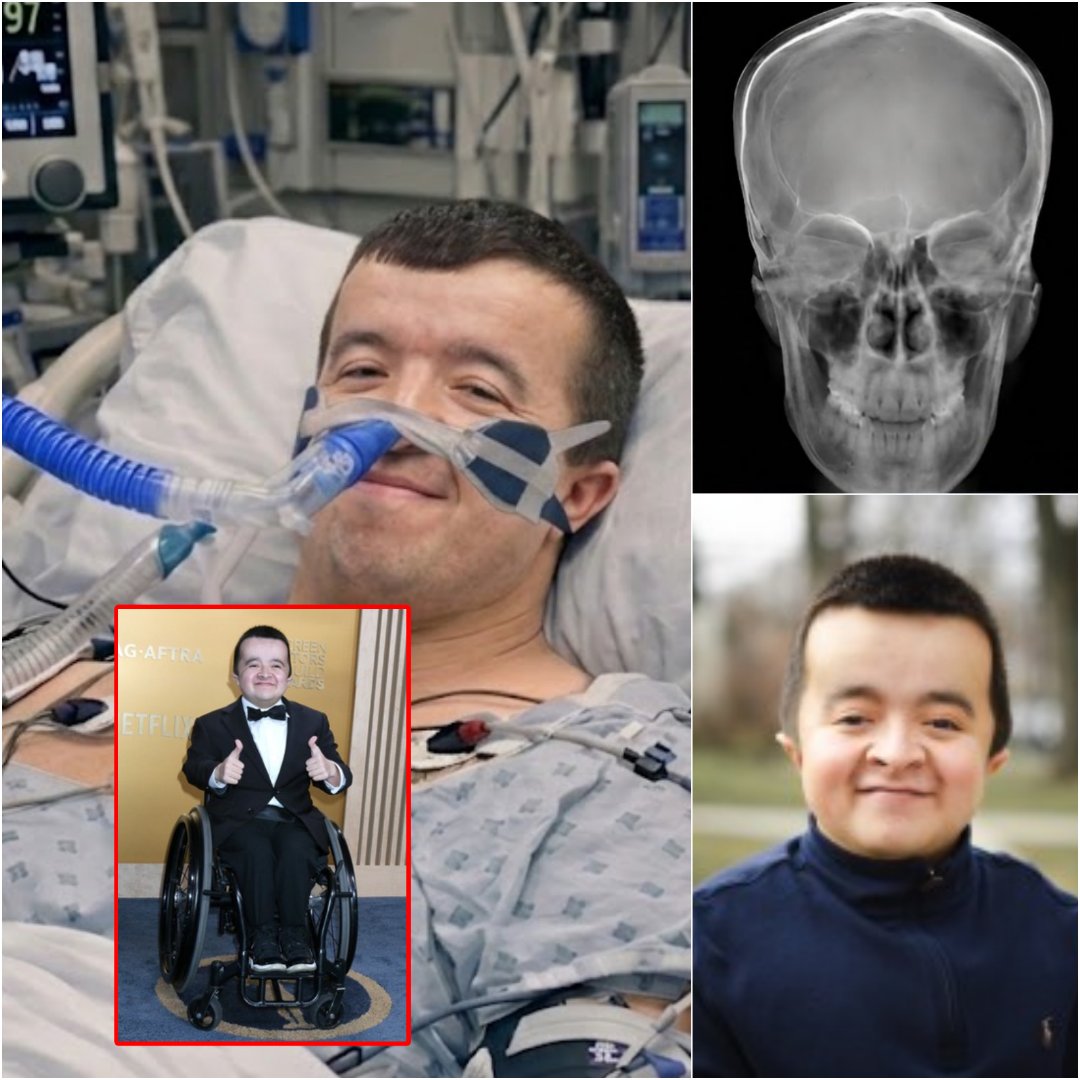
Alec Cabacungan Health Update: Understanding the Situation and Community Support
Recent reports have raised concern about the health of Alec Cabacungan, a well-known personality admired for his resilience and positive outlook. According to emerging information, he has been diagnosed with stage IV glioblastoma, an aggressive form of brain cancer. This development has prompted an outpouring of concern from people who have followed his journey over the years.
Known for his determination and uplifting spirit, Alec has inspired many through his public appearances and personal story. News of this diagnosis has hit his supporters hard, precisely because he has spent so much of his public life encouraging others to stay strong in the face of adversity.
What Is Glioblastoma?
Glioblastoma is a serious medical condition that can progress rapidly and may affect brain function, physical strength, and overall well-being. It is considered one of the most aggressive forms of brain cancer. The disease originates in the supportive tissue of the brain and tends to grow and spread quickly into surrounding brain tissue, which makes complete surgical removal difficult.
Advanced stages of the disease can present significant challenges, not only for the individual but also for their loved ones. Symptoms vary widely depending on the tumor's size and location, but they can include persistent headaches, seizures, changes in personality or cognition, weakness on one side of the body, and difficulties with speech or balance.
It is worth emphasizing that every case is different. Outcomes can vary depending on multiple factors, and medical teams typically tailor care plans to each individual's situation.
How Glioblastoma Is Typically Treated
Treatment for glioblastoma often involves a combination of approaches, such as surgery, radiation therapy, and chemotherapy. The standard course usually begins with surgery to remove as much of the tumor as safely possible, followed by radiation combined with chemotherapy to target remaining cancer cells.
Because glioblastoma is aggressive and often recurs, researchers continue to study new approaches, including targeted therapies, immunotherapy, and tumor-treating fields. Clinical trials play an important role in advancing care, and many patients and families explore trial options with their medical teams.
Treatment decisions for brain cancer are deeply personal and complex, involving the patient, their family, and a team of specialists including neurosurgeons, neuro-oncologists, and radiation oncologists.
The Strength of a Support System
Despite the seriousness of the diagnosis, those close to Alec describe a strong support system surrounding him. Family members and friends continue to provide care and encouragement during this difficult time. Reports also suggest that he remains focused and resilient as he navigates this challenge.
That circle of support matters enormously. Families facing serious illness often describe the experience as a marathon, not a sprint. Practical help, emotional steadiness, and simply being present can make an unbearable situation slightly more bearable. The fact that Alec is surrounded by people who care for him is, in itself, a meaningful source of strength.
An Outpouring of Community Support
Beyond the medical aspects, moments like this highlight the importance of compassion and support. Many people have taken to social platforms to share messages of encouragement and reflect on the positive impact Alec has had on their lives.
That response speaks to something real about his public journey. Alec built his reputation on resilience and positivity, using his platform to lift others up. Now, the community he inspired is returning that energy, sharing stories about how his example helped them through their own hard times. It is a powerful reminder of how one person's attitude can ripple outward in ways they may never fully see.
Respecting Privacy During Difficult Times
Supporters are also being reminded to respect privacy as Alec and his family manage medical decisions and personal matters. Maintaining a balance between public support and personal space is especially important during sensitive times.
When a public figure faces a health crisis, the line between caring and intruding can blur quickly. Sharing unverified rumors, demanding updates, or speculating about outcomes adds stress to people who are already carrying an enormous burden. The most respectful form of support is often the simplest: send kind words, wish them well, and give the family room to share news on their own terms and timeline.
How to Support Someone Facing a Serious Diagnosis
If Alec's story moves you to support someone in your own life going through a hard diagnosis, general guidance from patient advocates includes:
- Offer concrete help. Rides to appointments, meals, childcare, and help with errands relieve real burdens.
- Listen more than you advise. Unless asked, avoid suggesting treatments or sharing stories about other patients' outcomes.
- Respect their communication preferences. Some people want to talk about their illness; others want normalcy. Follow their lead.
- Check in over time. Support tends to surge at diagnosis and fade during the long months of treatment. Sustained presence matters.
- Support the caregivers too. Family members carrying the daily weight of care often neglect their own needs.
Frequently Asked Questions
What is glioblastoma?
Glioblastoma is an aggressive form of brain cancer that grows quickly and can affect brain function, strength, and overall well-being. It is considered one of the most serious types of brain tumors.
How is glioblastoma treated?
Treatment typically combines surgery, radiation therapy, and chemotherapy, with care plans tailored to each patient. Researchers continue to study additional approaches through clinical trials.
How can fans support Alec and his family?
Sharing respectful messages of encouragement and giving the family privacy are the most meaningful forms of support. Avoid spreading unverified information or demanding updates.
Stories like Alec's serve as a reminder of the value of community, kindness, and staying connected during life's challenges. As updates continue, many remain hopeful and continue to send their support. At this time, the focus remains on care, strength, and the encouragement coming from those who have been inspired by his journey.
Their courage in facing an uncertain future together deserves the same compassion the public has shown so generously.
This article is for informational purposes only and is not medical advice. Please consult a qualified professional.



