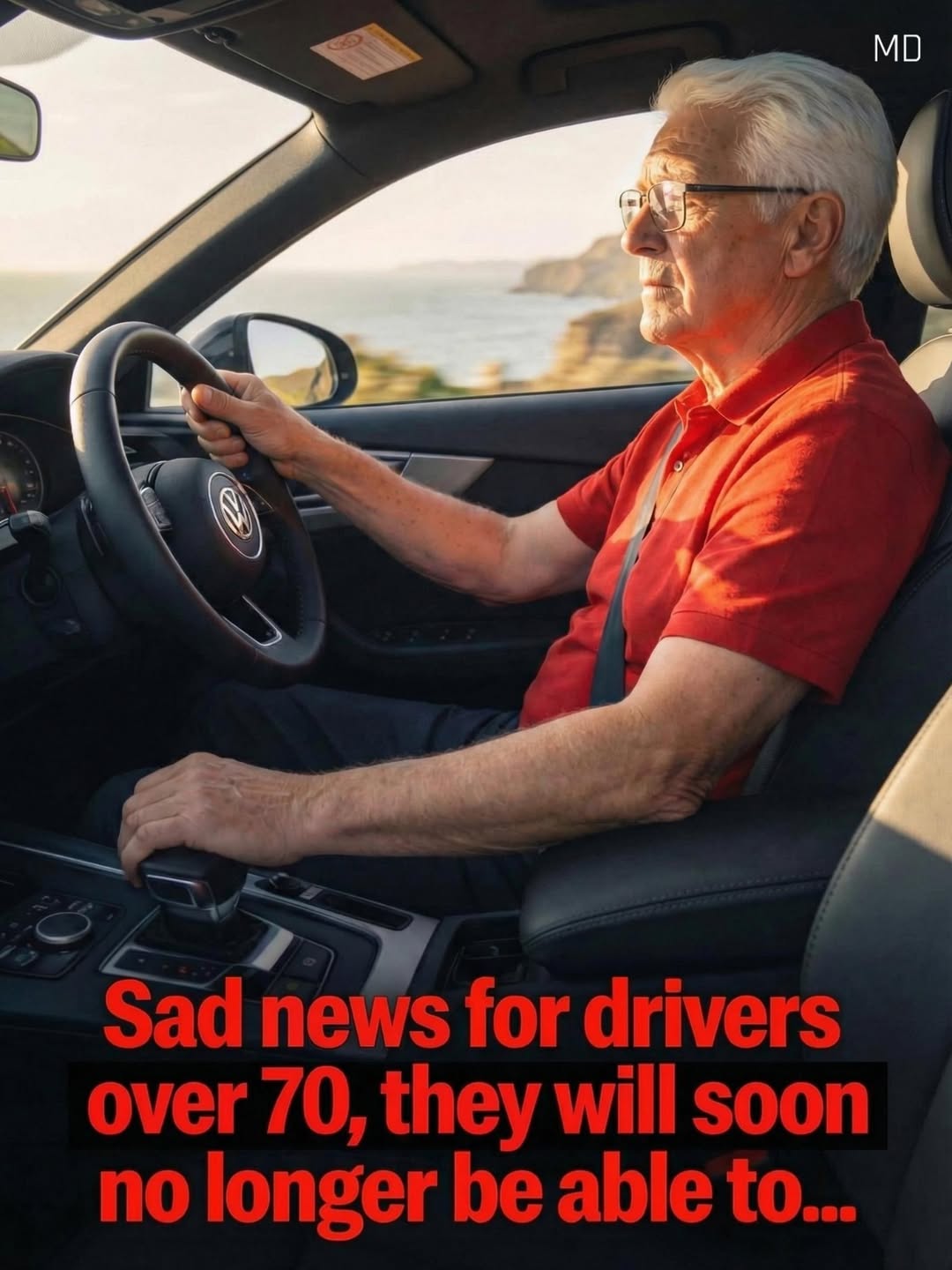
Discussions about road safety across the United States are increasingly focusing on how aging can influence driving ability, especially among drivers aged 70 and older. As people grow older, natural physical changes may affect vision, reaction time, and overall mobility—factors that play an important role in safe driving. While many older adults continue to drive responsibly and confidently, experts note that some age-related changes may require added awareness or support to reduce potential risks on the road.
Currently, licensing requirements for senior drivers vary widely by state, creating a mix of different rules nationwide. Some states ask older drivers to renew their licenses more frequently or complete in-person visits and vision screenings after a certain age. Others allow renewals to be completed online without additional testing. These differences have fueled ongoing conversations about how to balance public safety with fairness and personal independence.
Supporters of updated renewal procedures believe periodic evaluations could help identify vision or reaction issues early and encourage safer driving habits. They argue that these measures may help reduce accidents while offering guidance for drivers who need adjustments or support. On the other hand, critics emphasize that age alone does not determine driving ability. Many seniors maintain strong driving records for decades, and broad policies could limit independence for those who remain capable behind the wheel.
Transportation and safety experts often recommend flexible, supportive approaches rather than strict age-based rules. Options such as voluntary refresher courses, educational programs, and routine vision or reaction assessments may help older drivers stay confident and informed while adapting to changes over time.
Families also play an important role in encouraging safe mobility. Open, respectful conversations about driving comfort can help seniors feel supported rather than pressured. When driving becomes more challenging, alternatives like ride-sharing services, community transportation programs, and public transit can help older adults stay active and connected.
As policymakers and safety organizations continue reviewing possible updates to regulations, the goal remains the same: improving road safety while respecting the independence and dignity of older drivers. With thoughtful planning and accessible resources, communities can support senior mobility without compromising safety for everyone who shares the road.