
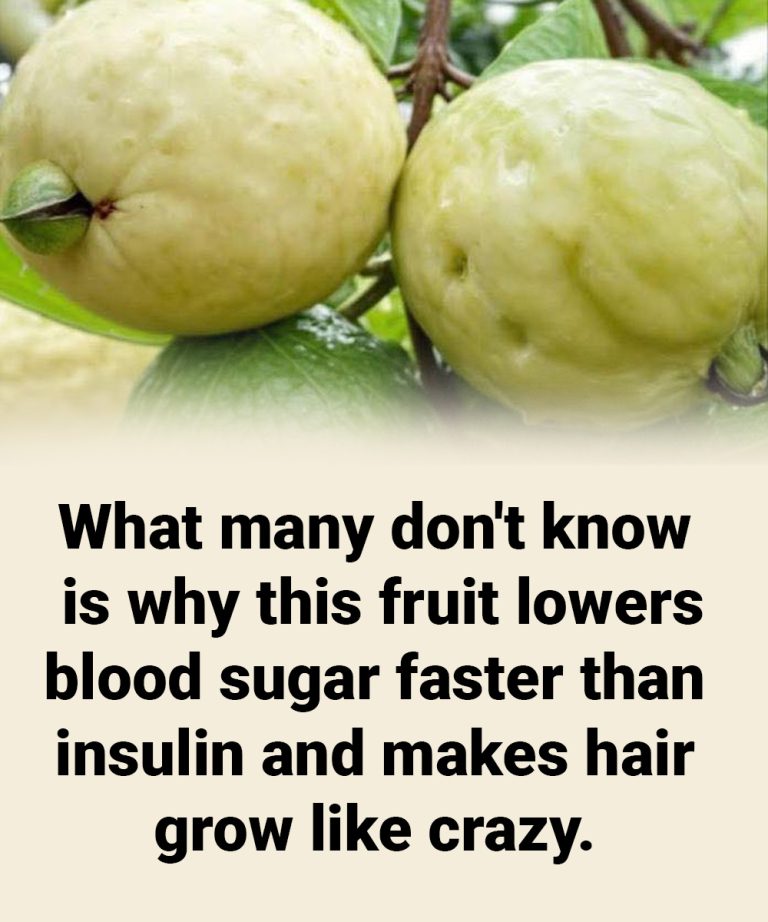
Discover the Benefits of Guava for Healthy Blood Sugar Support
Guava is not just a delicious tropical fruit, it is also gaining attention for its potential role in supporting balanced blood sugar levels. Whether you are managing diabetes or simply looking to maintain a healthier lifestyle, guava may be a smart addition to your diet.
1. Naturally Low Glycemic Index
Foods with a low glycemic index are less likely to cause sharp spikes in blood sugar. Guava falls into this category, making it a fruit that many people with diabetes find suitable in moderation.
The glycemic index measures how quickly a food raises blood glucose after eating. Low GI foods release energy gradually, which helps avoid the rapid peaks and crashes associated with high GI foods like white bread or sugary snacks. Guava's combination of fiber, water content, and natural sugars gives it a gentle effect on blood sugar compared to many other sweet fruits.
2. Rich in Fiber for Steady Energy
Guava is packed with dietary fiber, especially soluble fiber, which can:
- Slow down sugar absorption into the bloodstream
- Promote healthy digestion
- Help prevent sudden blood sugar fluctuations
Fiber also helps you feel full for longer, which can support weight management, an important factor in overall blood sugar health. A single guava can provide a significant portion of your daily fiber needs, making it one of the most fiber-dense fruits available.
Soluble fiber forms a gel-like substance in the digestive tract that slows the movement of food through the stomach and intestines. This gradual process means glucose enters the bloodstream at a steadier pace, which is exactly what people watching their blood sugar want.
3. Packed With Antioxidants and Nutrients
This tropical fruit contains vitamin C, potassium, and powerful flavonoids like quercetin. These compounds may support insulin function and help reduce inflammation, contributing to better metabolic balance.
Guava is famously rich in vitamin C, containing several times more per serving than an orange. Vitamin C is a potent antioxidant that helps protect cells from oxidative damage, which is a concern for people with blood sugar imbalances. Potassium supports healthy blood pressure, another important consideration in metabolic health.
Quercetin and other flavonoids found in guava have attracted research interest for their potential role in supporting how the body responds to insulin. While more research is needed, early findings are encouraging.
4. Guava Leaves as a Traditional Support
For centuries, guava leaves have been used in natural wellness practices. When brewed into tea, guava leaf extract has been studied for its potential to:
- Support lower blood glucose levels after meals
- Slow down the conversion of carbohydrates into sugar
- Promote better insulin activity
Guava leaf tea is popular in many tropical regions, where it has been consumed for generations as a home remedy. Modern researchers have begun studying these traditional uses, and some studies suggest the leaves contain compounds that may inhibit certain enzymes involved in carbohydrate digestion.
Comparing Guava to Other Fruits
Not all fruits affect blood sugar equally. Here is how guava stacks up against some common choices:
- Guava: low GI, very high fiber, excellent vitamin C content
- Apple: moderate GI, good fiber, widely available
- Banana: higher GI when ripe, convenient but spicier blood sugar effect
- Berries: low GI, high antioxidants, another strong choice
- Mango: higher GI, delicious but best in smaller portions
Guava's combination of low GI and exceptional fiber content makes it stand out, especially for anyone prioritizing steady blood sugar.
Simple Ways to Enjoy Guava
- Eat it fresh and raw, with the skin if it is pesticide-free. The skin contains valuable fiber and nutrients.
- Brew guava leaf tea by boiling dried leaves in water for 10 minutes. Let it cool slightly before drinking.
- Choose whole fruit over processed juices or sugary canned versions, which strip out fiber and add sugar.
- Enjoy in moderation, as even natural fruits contain sugar. A sensible portion is one medium guava.
- Add sliced guava to salads, yogurt, or smoothies for extra fiber and flavor.
Smart Pairing Tips
Pairing guava with protein or healthy fats can further smooth out its effect on blood sugar. Try guava slices with a handful of nuts, a piece of cheese, or a spoonful of nut butter. The added protein and fat slow digestion even more, keeping energy levels steady for hours.
A Gentle Reminder
While guava offers promising benefits for healthy blood sugar support, it should not replace prescribed treatments or medical advice. Always consult with a healthcare professional before making dietary changes or trying herbal teas like guava leaf tea. This is especially important if you take blood sugar medications, since combining them with blood sugar supporting foods or teas could require dosage adjustments.
Frequently Asked Questions
Is guava good for people with diabetes?
Guava has a low glycemic index and is high in fiber, making it a fruit many people with diabetes can enjoy in moderation. However, individual responses vary, so monitor your blood sugar and consult your doctor.
How does guava help blood sugar?
Its soluble fiber slows sugar absorption, its low GI prevents sharp spikes, and its antioxidants may support insulin function and reduce inflammation.
What is guava leaf tea, and how do you make it?
Guava leaf tea is a traditional brew made by boiling dried guava leaves in water for about 10 minutes. It has been studied for its potential to support healthy post-meal blood glucose levels.
Can guava replace diabetes medication?
No. Guava can be a supportive part of a healthy diet, but it should never replace prescribed treatments. Always work with a healthcare professional on your diabetes management plan.
How much guava should I eat per day?
One medium guava per day is a reasonable portion for most people. Enjoy it as part of a balanced diet, and choose whole fruit over juices or canned versions with added sugar.
Can I eat guava seeds?
Yes, guava seeds are edible and add extra fiber. Chew them carefully, as they are quite hard, and they pass through digestion naturally while contributing to the fruit's impressive fiber content.

