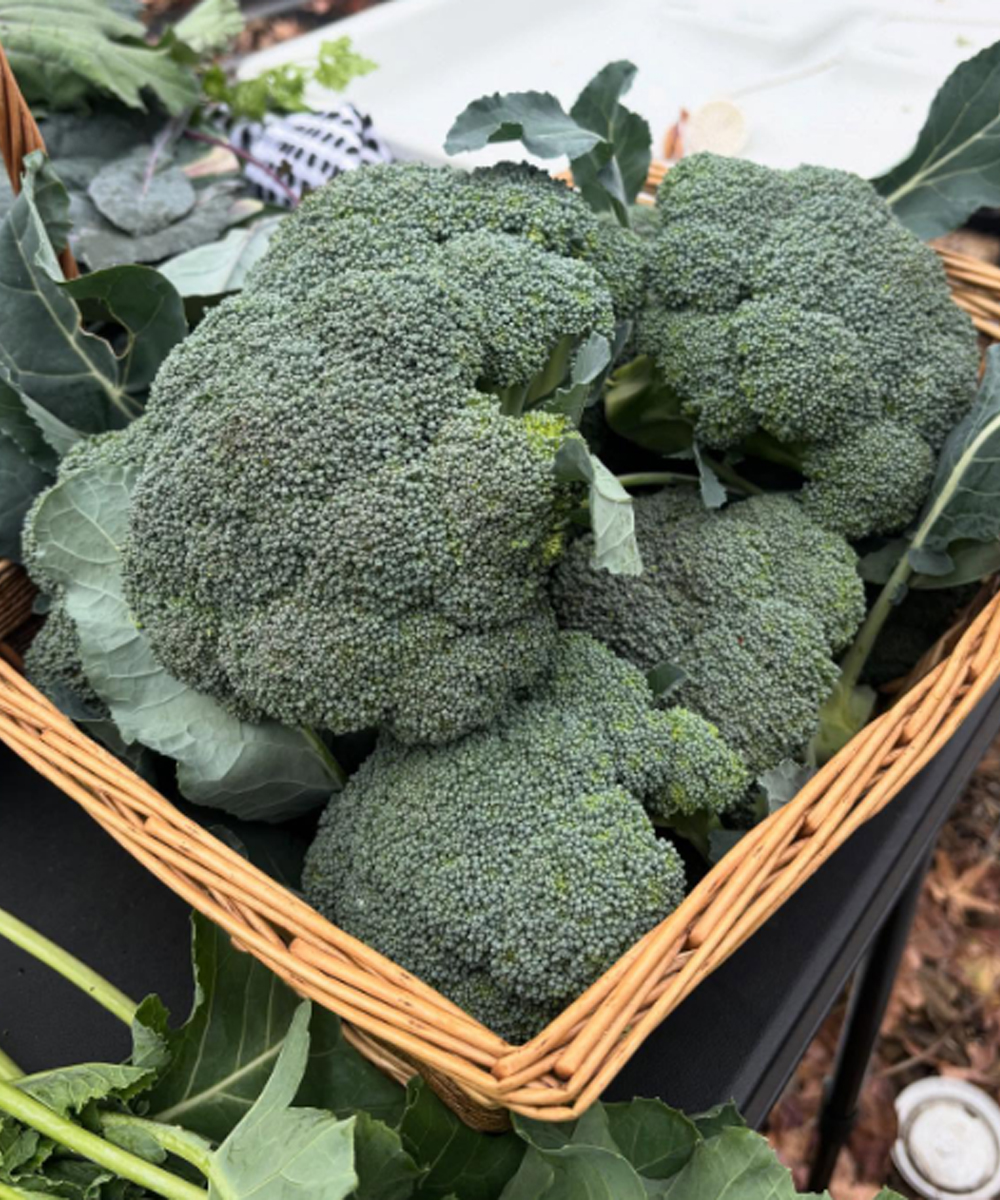
Broccoli is often praised by health professionals as one of the most nutrient-dense vegetables available. Packed with essential vitamins, minerals, and plant-based compounds, it plays a valuable role in a balanced diet. Doctors note that broccoli provides key nutrients such as vitamin C, vitamin K, potassium, and dietary fiber, all of which support everyday bodily functions including digestion, immune health, heart wellness, and bone strength.
In addition to its vitamin and mineral content, broccoli contains naturally occurring antioxidants and sulfur-based compounds. These plant compounds help the body manage normal oxidative stress that occurs as part of daily life. While broccoli is nutritious in its raw form, experts emphasize that cooking methods can greatly affect how many of these beneficial nutrients are retained.
Gentle cooking techniques are generally recommended to preserve broccoli’s nutritional value. Steaming is frequently highlighted as one of the best methods, as it helps maintain vitamin C and antioxidants while keeping the vegetable bright green and slightly crisp. Microwaving with little or no added water is another effective option, since shorter cooking times reduce nutrient loss. Light sautéing or quick stir-frying with a small amount of healthy oil, such as olive oil, can also be beneficial when done over moderate heat.
Some preparation methods, however, may reduce broccoli’s nutrient content. Boiling for long periods can cause water-soluble vitamins to leach into the cooking liquid, leading to a decrease in nutritional value. Overcooking broccoli by any method can also break down vitamins and affect texture. A simple indicator is appearance—broccoli that remains vibrant green typically retains more nutrients than broccoli that becomes dull or overly soft.
Doctors also suggest a few practical tips to get the most out of this vegetable. Cutting broccoli into evenly sized pieces helps ensure even cooking, while using the stems adds extra fiber and nutrients that are often overlooked. Cooking with minimal water, avoiding excessive heat, and stopping once broccoli reaches a tender-crisp texture can help preserve both flavor and nutrition.
Ultimately, the best way to enjoy broccoli is the way that makes it most appealing to eat regularly. Whether lightly steamed, sautéed, or added to meals in creative ways, consistency matters most. When broccoli is prepared in a way that tastes good, it’s more likely to become a regular part of a healthy eating routine.