Cassava: A Staple Food for Millions That Requires Careful Preparation
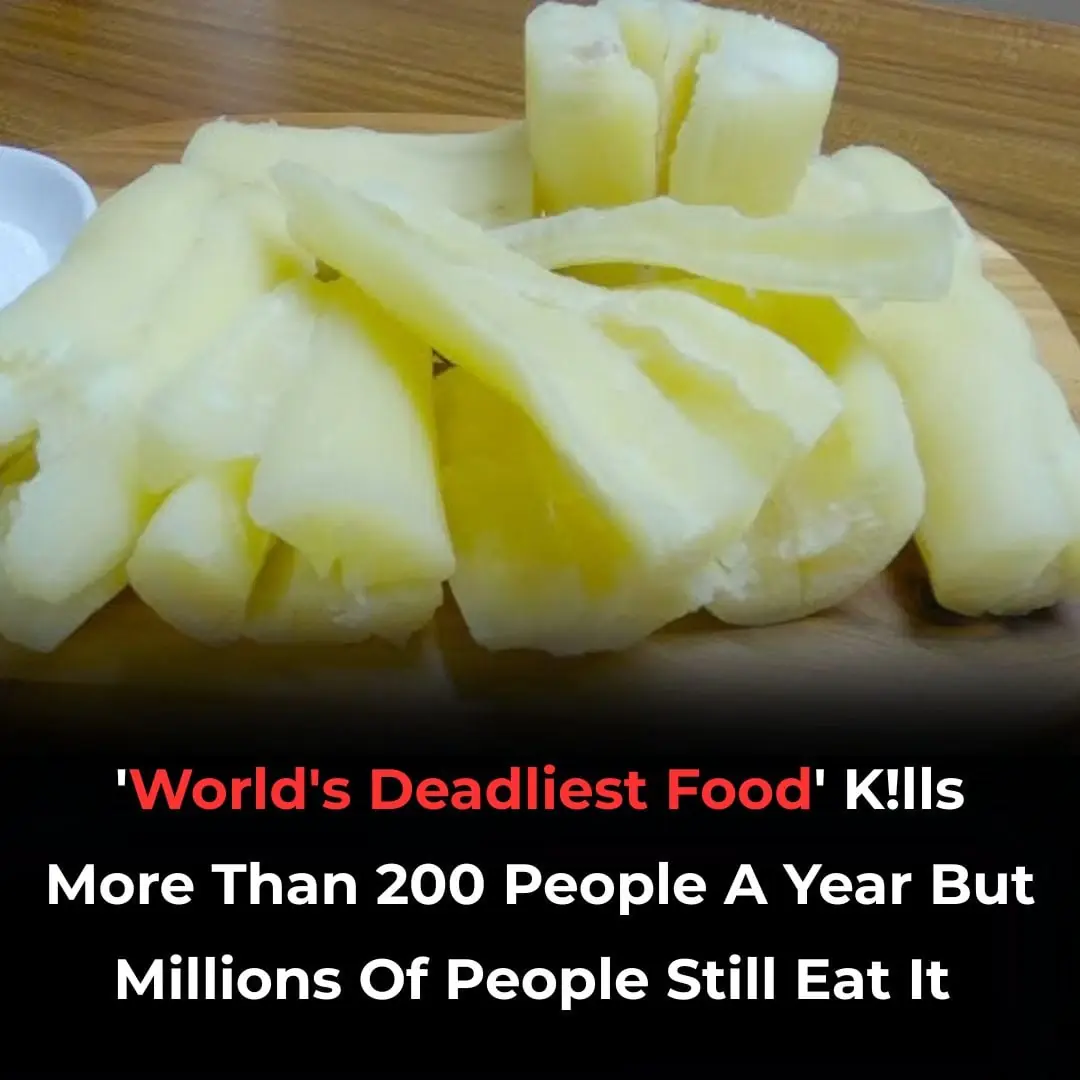
Around the world, millions of people rely on cassava as an essential part of their daily diet. This starchy root vegetable provides energy and nutrients to communities across Africa, Latin America, and Asia. Yet despite its importance, cassava carries a lesser-known truth: it must be prepared correctly to be safe to eat.
Understanding cassava means appreciating both its life-sustaining value and the traditional knowledge that makes it safe.
What Is Cassava?
Cassava (Manihot esculenta) is a woody shrub grown for its starchy tuberous roots. It's known by many names around the world:
- Yuca (not to be confused with yucca, the ornamental plant) in Latin America.
- Manioc in French-speaking regions and Brazil.
- Tapioca plant, since tapioca starch is extracted from its roots.
- Mogo in parts of East Africa.
The plant is remarkably hardy. It thrives in poor soils, tolerates drought, and produces reliable yields where other crops fail. These qualities make it a cornerstone of food security in regions vulnerable to climate stress.
A Global Staple
The scale of cassava's importance is difficult to overstate:
- Over 800 million people depend on cassava as a primary or secondary staple, according to UN food agencies.
- Africa produces the majority of the world's cassava, with Nigeria the largest producer globally.
- It's the third-largest source of carbohydrates for human consumption in the tropics, after rice and maize.
- Multiple harvest flexibility: unlike grains with fixed harvest windows, cassava roots can be left in the ground and harvested as needed, functioning as a living food reserve.
From Nigerian garri and fufu to Brazilian farofa, Filipino cassava cake to Thai tapioca desserts, the root appears in countless forms across the world's cuisines.
The Safety Issue: Cyanogenic Compounds
Here's the critical fact every cassava consumer and cook must know: raw cassava contains cyanogenic glycosides, natural compounds that can release cyanide when the plant tissue is damaged.
This sounds alarming, but it's a manageable risk that traditional cultures have handled for centuries. Key points:
- Two main types exist. "Sweet" cassava varieties contain lower levels of these compounds; "bitter" varieties contain much higher levels and require more extensive processing.
- Proper preparation neutralizes the risk. Peeling, soaking, fermenting, drying, and thorough cooking break down the compounds effectively.
- Problems arise from shortcuts. Insufficient processing, especially of bitter varieties, or reliance on cassava as virtually the sole food source without adequate protein, can lead to health issues.
- Documented conditions linked to chronic under-processing include konzo (a paralytic condition) and tropical ataxic neuropathy, primarily in regions experiencing food crises.
The lesson isn't to fear cassava. It's to respect the traditional preparation methods that make it safe.
How Cassava Is Made Safe: Traditional Methods
Different cultures developed different techniques, all effective:
- Peeling. The highest concentration of cyanogenic compounds is in the peel. Always peel cassava thickly before any other preparation.
- Soaking and fermenting. Submerging peeled roots in water for several days allows fermentation to break down the compounds. This is the basis of products like fufu and garri.
- Drying. Sun-drying or mechanical drying of grated or chipped cassava reduces the compounds significantly.
- Grating and pressing. For garri production, grated cassava is pressed to remove liquid (which carries the compounds), then roasted.
- Thorough cooking. Boiling, roasting, or frying peeled cassava until fully cooked is essential. Never eat it raw.
The common thread: time, water, and heat. There are no shortcuts with bitter varieties.
Nutritional Profile
Cassava is primarily an energy food:
- Rich in carbohydrates, providing the calories that sustain active populations.
- Contains vitamin C, though much is lost in processing and cooking.
- Provides some B vitamins and minerals including potassium and manganese.
- Low in protein, which is why nutritionists emphasize pairing cassava with protein sources: beans, fish, meat, or legumes.
- Gluten-free, making cassava flour a valuable alternative for those avoiding gluten.
A cassava-centered diet works best as part of dietary diversity, not as a sole staple without supplementation.
Cassava in Modern Cooking
Beyond traditional staples, cassava has found new audiences:
- Tapioca pearls for bubble tea come from cassava starch.
- Cassava flour is popular in gluten-free and paleo baking, offering a neutral flavor and good texture.
- Cassava chips provide an alternative to potato chips.
- Industrial uses include starch for food processing, animal feed, and even biofuel production.
If you're trying cassava for the first time, start with products from reputable manufacturers, or buy fresh roots and follow proper preparation: peel thickly, and cook thoroughly.
Buying and Storing Cassava
- Choose firm roots without soft spots, mold, or strong odors. Fresh cassava deteriorates quickly once harvested.
- Use within a few days of purchase, or peel, cut, and freeze for longer storage.
- Refrigeration extends fresh root life modestly; freezing is better for longer keeping.
- Check for discoloration. Blue-black streaks in the flesh indicate spoilage; discard such roots.
The Takeaway
Cassava feeds hundreds of millions of people because it's resilient, versatile, and energy-rich. It demands respect in preparation, but the methods are well-established and proven over centuries.
In a world searching for climate-resilient crops, cassava's importance is only growing. Understanding it, both its value and its requirements, is understanding one of humanity's most important food relationships.
Frequently Asked Questions
Is cassava safe to eat?
Yes, when properly prepared. Always peel it thickly and cook it thoroughly. Never eat raw cassava. Traditional processing methods (soaking, fermenting, drying, cooking) effectively neutralize its natural cyanogenic compounds.
What's the difference between sweet and bitter cassava?
Sweet varieties contain lower levels of cyanogenic compounds and need less intensive processing. Bitter varieties contain much higher levels and require thorough traditional processing (fermenting, drying, pressing) to be safe.
Is cassava the same as yuca?
Yes, yuca is the Latin American name for cassava root. Don't confuse it with yucca, a different plant grown ornamentally.
Is cassava flour gluten-free?
Yes, cassava is naturally gluten-free, making its flour popular for gluten-free baking. Always check labels for cross-contamination if you have celiac disease.
Can I eat cassava on a low-carb diet?
Probably not as a staple. Cassava is very high in carbohydrates. It's an energy food, best suited to active populations and balanced diets rather than carbohydrate-restricted eating.