
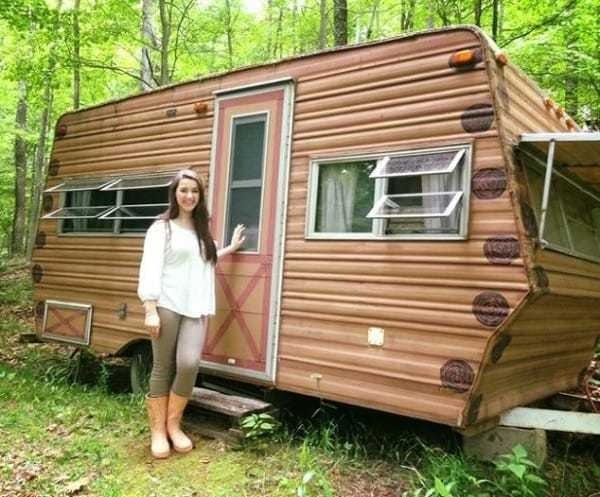
From Rust to Radiance: How a 14-Year-Old Transformed a 1974 Camper into the Ultimate Tiny Dream Home
Some people spend years dreaming of building their perfect home, sketching floor plans they may never use and saving for a down payment that always feels out of reach. For one 14-year-old with a big vision and a determined spirit, the dream started somewhere most people would never look: a weathered, faded 1974 camper that looked ready for the junkyard.
What happened next is one of the most impressive DIY transformations you will ever see. With no formal training, just creativity, determination, and a willingness to learn, this teenager turned a rundown shell into a warm, stylish, fully functional home on wheels. It is a story about vision, grit, and the surprising things young people can accomplish when adults take their ideas seriously.
Finding Potential Where Others Saw a Lost Cause
The camper, purchased for a small sum, was in rough shape by any measure. The paint was peeling, the flooring was worn through in places, and the interior was frozen in the 1970s, all dark paneling, dated fixtures, and fabrics that had seen better decades. Most people who looked at it saw scrap metal and a demolition job.
But the teenager saw something different: a blank canvas waiting for a second chance. Instead of being intimidated by the scale of the project, they embraced it, spending weeks sketching layouts, researching tiny home designs, and watching tutorials on everything from plumbing basics to space-saving furniture.
That planning phase turned out to be critical. Experienced builders will tell you that most DIY renovations fail in the planning, not the execution. This young builder instinctively understood that, treating the camper like an architectural project long before picking up a single tool.
Hard Work Meets Creativity
Armed with paintbrushes, power tools, and a heart full of determination, the transformation began. The work was methodical and far beyond what most adults attempt in their own homes.
- Walls and surfaces: Every wall was sanded down and repainted in bright, airy tones, instantly making the small space feel larger and more open. Dark, heavy 1970s paneling gave way to clean, modern finishes.
- Flooring: The worn-out floors were torn up and replaced with durable, attractive new flooring suited to life on the road.
- Storage: Old, bulky cabinets were replaced with sleek, space-efficient storage solutions designed for tiny living, using vertical space and hidden compartments.
- Custom builds: One of the most impressive upgrades was custom-built furniture, pieces designed specifically for the camper's odd dimensions, proving that constraints can spark the best creativity.
- Modern comforts: Updated lighting, refreshed fixtures, and thoughtful details turned a camping relic into a genuinely comfortable living space.
The project took months of after-school hours and weekends. There were mistakes, redone sections, and lessons learned the hard way, exactly the education no classroom could provide.
Lessons in Tiny Living
Beyond the impressive before-and-after photos, the project is a masterclass in the principles of tiny home design, principles that professional builders charge thousands to teach.
Every inch must earn its place. In a camper, there is no room for decorative clutter. Each cabinet, shelf, and surface was chosen for function first, a discipline that makes small spaces livable.
Light colors create space. The switch from dark paneling to bright tones was the single most transformative visual choice. Light reflects, dark absorbs, and in under 200 square feet, that physics matters enormously.
Vertical space is free real estate. Walls and ceiling height become storage, display, and utility space in a tiny home. Thinking upward doubles usable area without adding a single square foot.
Multi-functional furniture wins. A bench that stores supplies, a table that folds away, a bed with drawers beneath: in tiny living, every piece should do at least two jobs.
What It Takes: Skills, Budget, and Support
A project like this raises practical questions for anyone inspired to try something similar.
Skills: The teenager learned as they went, using online tutorials, library books, and advice from experienced DIYers. Basic carpentry, painting, measuring, and safe tool use formed the foundation. Plumbing and electrical work, where involved, required adult supervision and, ideally, professional guidance, since mistakes there can be dangerous.
Budget: Buying a vintage camper cheap is only the start. Paint, flooring, lumber, fixtures, and tools add up. Smart renovators save by sourcing reclaimed materials, shopping secondhand, buying in phases, and doing labor themselves. The biggest cost in any renovation is usually labor, and this builder's own sweat equity was the project's greatest asset.
Support: Behind most remarkable teen projects are adults who said yes: parents who allowed the driveway to become a workshop, who helped with heavy lifting, who drove to the hardware store for the tenth time. Young ambition flourishes fastest with steady adult backing.
Safety Notes for Young Builders
Inspiration should come with caution. Power tools, ladders, electrical systems, and chemical products like paints and adhesives all demand respect. Young builders should always work with adult supervision, wear protective gear including eye protection, gloves, and masks, ensure proper ventilation when painting or using adhesives, and leave gas, complex electrical, and structural work to qualified professionals.
Why Stories Like This Matter
In an era of instant gratification, a teenager spending months restoring a 1974 camper feels almost radical. It is a reminder that patience is a skill, that learning by doing beats scrolling, and that age is a poor predictor of what someone can accomplish.
The camper itself is now more than a vehicle. It is proof of concept: proof that vision plus effort can transform literal rust into radiance, and proof that the next generation of builders, makers, and dreamers is already at work, probably in a driveway near you.
Frequently Asked Questions
How much does it cost to renovate an old camper?
Costs vary widely, from a few hundred dollars for a cosmetic refresh to several thousand for a full rebuild. Doing the labor yourself and sourcing used materials keeps costs dramatically lower than hiring professionals.
Is it legal for a teenager to live in a renovated camper?
Laws about dwelling in RVs and campers vary by location and usually concern zoning, not age. Most teen renovators build the camper as a project, hangout space, or future travel home rather than a primary residence.
What is the hardest part of renovating a vintage camper?
Water damage is the most common and challenging issue. Old campers often have hidden rot in walls and floors that must be repaired before cosmetic work begins. Thorough inspection before purchase saves major headaches.
Do you need special skills to start?
No. Most successful DIY renovators start with zero experience and learn through tutorials, books, and community advice. Starting with small tasks like painting and cleaning builds confidence for bigger jobs.
Can a renovated old camper be safe to use?
Yes, provided structural repairs are done properly, electrical and propane systems are inspected by professionals, and the finished work meets basic safety standards. Never skip professional checks on gas and electrical systems.



