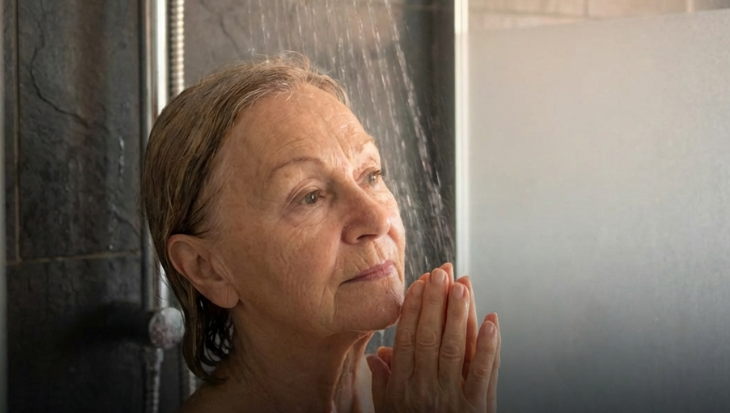
As we grow older, our bodies change in many ways — and our skin is no exception. If you’re over 65 and have noticed increased dryness, itching, or sensitivity, your shower routine might be playing a bigger role than you think.
Many adults continue the same daily hot-shower habits they followed in their younger years. While that routine once worked well, aging skin has different needs. A few simple adjustments can make a big difference in comfort and overall skin health.
Let’s explore what changes after 65 — and how to adapt your hygiene routine accordingly.
Why Skin Changes After Age 65
As we age, the skin naturally becomes:
-
Thinner
-
Less elastic
-
Lower in collagen
-
Slower to produce natural oils
These changes mean the skin holds onto moisture less effectively. In younger years, the body could quickly recover from long, hot showers. After 65, that same routine may strip away protective oils faster than the skin can replace them.
Over time, this may lead to:
-
Persistent dryness
-
Itching
-
Redness
-
Increased sensitivity
-
Rough or flaky texture
These symptoms often develop gradually, making them easy to overlook.
The Impact of Hot Water and Strong Soaps
Hot showers can feel relaxing — especially during colder months. However, high water temperatures can weaken the skin’s natural protective barrier. This barrier is essential for locking in moisture and defending against irritants.
Long showers combined with heavily scented soaps or harsh body washes may increase dryness. Vigorous scrubbing with loofahs or rough washcloths can also irritate delicate skin.
If your skin feels tight immediately after showering or if lotion doesn’t seem to last long, your shower habits may be contributing.
The issue isn’t cleanliness — it’s how cleansing is done.
How Often Should You Shower After 65?
There is no one-size-fits-all rule. However, many dermatology professionals suggest that full-body showers every other day — or several times per week — are often sufficient for older adults, depending on activity level and climate.
On non-shower days, you can stay fresh by washing:
-
Face
-
Hands
-
Underarms
-
Groin area
This method helps maintain hygiene without over-drying the skin.
A Gentler Shower Routine for Aging Skin
If you prefer daily showers, small changes can protect your skin while maintaining comfort:
-
Use lukewarm water instead of hot
-
Keep showers between 5–10 minutes
-
Choose fragrance-free, moisturizing cleansers
-
Avoid harsh scrubbing
-
Pat skin dry gently instead of rubbing
One of the most important habits: Apply a rich moisturizer immediately after showering while your skin is still slightly damp. This helps seal in moisture and strengthen the skin barrier.
Why Moisturizing Becomes More Important
Because natural oil production decreases with age, external hydration becomes essential.
Thicker creams or ointments usually provide longer-lasting relief than lightweight lotions. Look for ingredients such as:
-
Ceramides
-
Glycerin
-
Hyaluronic acid
-
Shea butter
These ingredients support hydration and help protect the skin’s outer layer.
Consistent moisturizing can significantly reduce itching and discomfort, especially during winter or in air-conditioned environments.
Comfort and Routine Still Matter
For many people, showering is more than hygiene — it’s relaxing and emotionally grounding. If daily showers are part of your routine, you don’t necessarily have to stop.
Instead, focus on balance:
-
Lower the water temperature
-
Shorten shower time
-
Use gentle products
-
Apply soap only to areas that truly need it
Small adjustments can protect your skin without sacrificing comfort.
When to Speak With a Professional
If dryness, irritation, or itching continues despite making changes, it may be helpful to consult a healthcare provider. Certain conditions — such as eczema or thyroid imbalance — can also affect skin health.
Listening to your skin is key. Aging doesn’t mean abandoning cleanliness. It simply means adapting to what your body needs now.
With mindful adjustments, you can stay fresh, comfortable, and confident — without the unwanted dryness.