Eggs are a staple in many households. They are affordable, versatile, and packed with protein, vitamins, and essential nutrients. Whether used for breakfast, meal prep, salads, or snacks, eggs are a convenient ingredient that fits into countless recipes.
However, like all perishable foods, eggs can spoil. Consuming a spoiled egg may lead to foodborne illness, causing symptoms such as nausea, stomach discomfort, vomiting, or diarrhea. While boiling kills many bacteria, it does not make an already spoiled egg safe to eat.
Understanding how to recognize the signs of spoilage can help protect your health. Here is a clear and practical guide to determining whether a hard-boiled egg is still safe to eat.
Before boiling, it is important to check the egg’s freshness. One of the simplest methods is the water test. Fill a bowl with cold water and gently place the raw egg inside. If the egg sinks and lies flat on the bottom, it is fresh. If it sinks but stands upright, it is older but may still be usable and should be consumed soon. If it floats to the surface, it has likely spoiled and should be discarded. Eggs float because moisture and carbon dioxide escape through the shell over time, allowing air to enter and enlarge the internal air pocket.
In addition to the water test, inspect the shell carefully. Avoid eggs that are cracked, leaking, slimy, covered with powdery residue, or giving off an unusual odor before cooking. Any of these signs may indicate that the egg is no longer safe to use.
While boiling, pay attention to any odors coming from the pot. Fresh eggs produce only a mild scent when cooked. A slight sulfur smell can occur if eggs are overcooked due to a natural reaction between sulfur in the egg white and iron in the yolk. This is harmless and does not mean the egg is spoiled. However, if you notice a strong, rotten, or overpowering foul smell during boiling, discard the eggs immediately. If a shell cracks open and releases an unpleasant odor, that egg was likely spoiled before cooking.
After the egg has cooled and been peeled, examine it carefully. Smell is the most reliable indicator of spoilage. A bad egg gives off a strong sulfurous or rotten odor that is difficult to ignore. If the smell seems unusual or unpleasant, do not taste it and dispose of it right away.
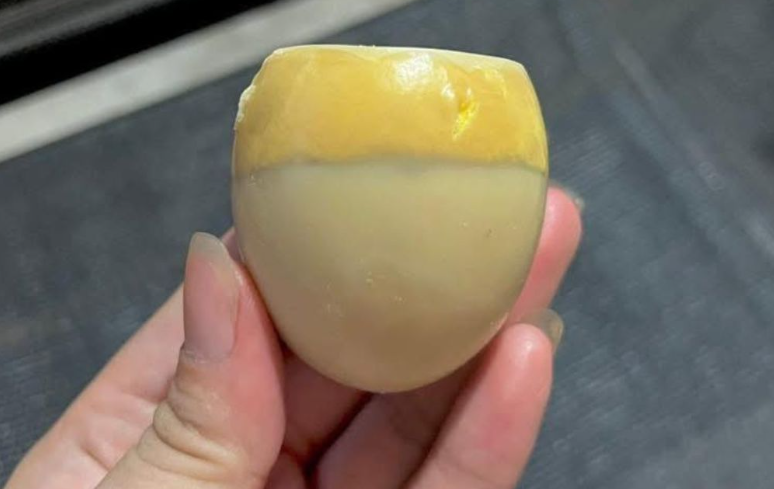
The appearance of the egg white also provides clues. A properly boiled egg white should be firm, smooth, slightly glossy, and able to hold its shape. If it looks watery, discolored, or slimy, it may not be safe to eat. The yolk should be solid and yellow. Minor color variations can occur depending on cooking time. A greenish-gray ring around the yolk may appear if the egg has been overcooked. This ring is harmless and does not indicate spoilage. However, dark spots, strange discoloration, or an unusual texture should not be ignored.
Storage time is another important factor. Hard-boiled eggs should be refrigerated and consumed within one week of cooking. Keeping them in a covered container helps prevent moisture loss and protects them from absorbing odors from other foods in the refrigerator. If boiled eggs have been left at room temperature for more than two hours, they should be discarded, as bacteria can multiply quickly at warmer temperatures. If you are unsure when the eggs were prepared, it is safest not to eat them.
It is never recommended to taste-test a suspicious egg. Even a small amount of spoiled food can cause digestive discomfort or illness. When in doubt, it is better to throw the egg away.
By paying attention to freshness before cooking, noticing any unusual smells during boiling, checking appearance after peeling, and storing eggs properly, you can reduce the risk of foodborne illness and enjoy hard-boiled eggs safely.