
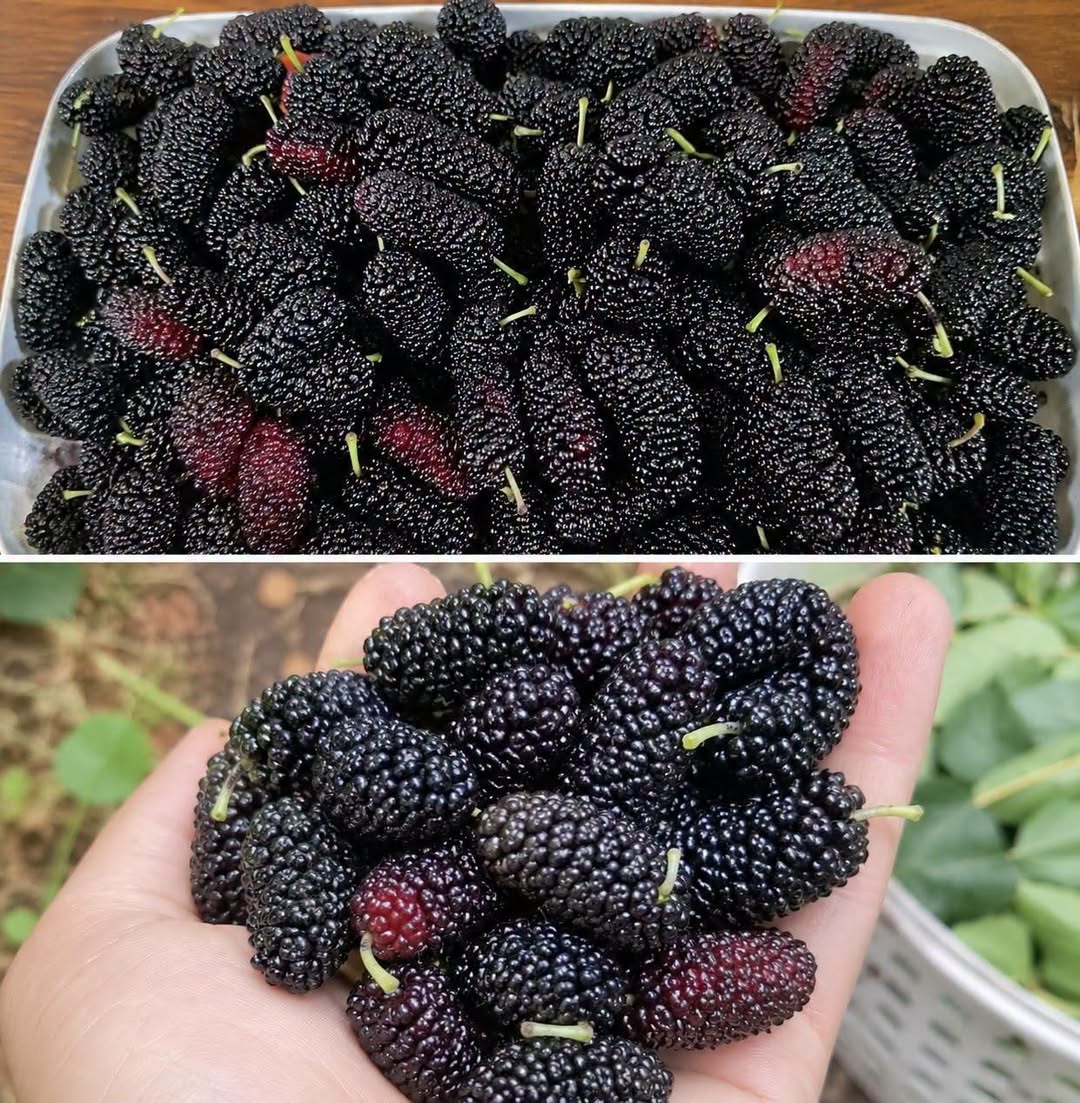
Most People Don't Know This Fruit Exists But It May Support Eye Health and Blood Pressure Naturally
Many online articles use eye-catching headlines to attract readers, especially when discussing lesser-known fruits and their possible health benefits. While some fruits are packed with valuable nutrients, it is important to separate evidence-based information from exaggerated marketing claims.
That is exactly what this article is about. Not a miracle cure, but an honest look at how fruits can support eye health and healthy blood pressure, how to judge bold health claims you see online, and how to get the most nutritional value out of the fruit you eat every day.
Why Lesser-Known Fruits Get So Much Hype
Every few months, a new "secret" fruit seems to take over health blogs and social media. The formula is familiar: an exotic name, a dramatic before-and-after story, and promises of effortless health transformation.
There is usually a grain of truth underneath. Some uncommon fruits do contain vitamins, minerals, antioxidants, and plant compounds that may contribute to overall wellness. Certain nutrients, such as vitamin C, vitamin A, potassium, and antioxidants, are associated with supporting normal eye health and helping maintain healthy blood pressure as part of a balanced diet.
The problem is the leap from "contains useful nutrients" to "will transform your health." That leap is marketing, not science, and learning to spot it protects both your wallet and your health.
Nutrients That Support Eye Health
Your eyes are among the most metabolically active parts of your body, and they depend on a steady supply of specific nutrients. These are found across many fruits, familiar and unfamiliar alike.
Vitamin A and beta-carotene. Vitamin A is essential for vision, particularly night vision and the health of the cornea. Orange and yellow fruits like mangoes, apricots, cantaloupe, and papaya are rich in beta-carotene, which the body converts into vitamin A.
Vitamin C. This antioxidant helps protect the eyes from oxidative damage and supports the health of blood vessels in the eye. Citrus fruits, kiwis, strawberries, guavas, and bell peppers are excellent sources.
Lutein and zeaxanthin. These carotenoids concentrate in the retina and help filter harmful blue light. They are found in fruits like kiwis, grapes, and oranges, and in leafy greens.
Vitamin E and zinc. Both play supporting roles in long-term eye health and are found in nuts, seeds, and whole grains that pair well with fruit in a balanced diet.
No single fruit delivers all of these in ideal amounts, which is why variety matters more than any one "superfruit."
Nutrients That Support Healthy Blood Pressure
Blood pressure is influenced by many factors, including diet, activity, sleep, stress, weight, and genetics. Nutritionally, a few things stand out.
Potassium. This mineral helps the body balance sodium levels and relax blood vessel walls. Bananas are the famous source, but oranges, melons, apricots, and many tropical fruits are also rich in potassium.
Magnesium. Involved in hundreds of body processes, including blood vessel function. Bananas, avocados, and dried fruits contain meaningful amounts.
Dietary fiber. High-fiber diets are consistently associated with better cardiovascular markers, and whole fruits are one of the best fiber sources available.
Antioxidants and plant compounds. Flavonoids and polyphenols in deeply colored fruits like berries, grapes, and cherries are studied for their role in supporting vascular health.
Research suggests that diets rich in fruits and vegetables may help reduce the risk of several chronic health conditions. The well-known DASH eating pattern, which emphasizes fruits, vegetables, and whole grains, is one of the most studied dietary approaches for supporting healthy blood pressure. However, no single fruit can prevent or cure disease on its own. Healthy eating works best when combined with regular physical activity, adequate sleep, and other healthy lifestyle habits.
How to Judge a "Miracle Fruit" Claim
When reading articles about "miracle fruits" or "hidden health secrets," it is wise to look for information supported by reputable medical organizations or scientific research. Here is a practical checklist.
Check the source. Is the claim backed by peer-reviewed research, a university, or a recognized health authority? Or does it come only from a site selling the product?
Watch for absolute language. Words like "cure," "guaranteed," "doctors don't want you to know," and "instant results" are red flags. Real nutrition science speaks in terms of associations, risk reduction, and supporting roles.
Look for the full picture. A headline that promises dramatic health transformation from one fruit is oversimplifying a complex topic. Legitimate articles discuss diet, lifestyle, and individual differences.
Separate ads from advice. Many websites display sponsored content alongside health articles. Sponsored recommendations are paid advertisements and should not be confused with independent medical advice.
Be skeptical of secret knowledge. If a fruit's benefits were truly proven and dramatic, mainstream health organizations would be talking about it. "Secret" usually means "unproven."
Before trying a new supplement or making significant dietary changes, consider consulting a qualified healthcare professional, especially if you have an existing medical condition or take prescription medications. Some fruit compounds can interact with medications: grapefruit is the famous example, but it is not the only one.
Getting More From the Fruit You Already Eat
You do not need an exotic discovery to eat well. Including a variety of colorful fruits in your daily diet is one of the simplest ways to increase your intake of essential nutrients. Different fruits provide different nutritional benefits, making variety more valuable than relying on a single "superfood."
Eat the rainbow. Different colors signal different plant compounds: orange for beta-carotene, red and purple for anthocyanins, yellow for vitamin C and flavonoids. Aim for several colors across the week.
Choose whole fruit over juice. Whole fruit gives you fiber that juice leaves behind, and it is far more filling, which helps with portion control.
Try one new fruit a month. Farmers markets, international grocery stores, and the "unusual" section of the produce aisle are great places to explore. The next time you discover a fruit that is unfamiliar, take the opportunity to learn about its nutritional profile, how it fits into a balanced diet, and what current scientific evidence says about its potential benefits.
Pair fruit wisely. Fruit with a handful of nuts or some yogurt makes a more balanced snack, since protein and fat slow the absorption of natural sugars and keep you satisfied longer.
Frequently Asked Questions
Can one fruit really improve my eyesight or lower my blood pressure?
No single food can do this on its own. Fruits contribute valuable nutrients that support eye health and cardiovascular health as part of an overall healthy diet and lifestyle, but they are not treatments for medical conditions.
Are exotic fruits more nutritious than common ones?
Not necessarily. Many familiar fruits, like oranges, bananas, berries, and kiwis, are nutritional powerhouses. Exotic fruits add variety and enjoyment, which has real value, but common fruits are just as legitimate.
How much fruit should I eat daily?
General dietary guidelines in many countries suggest around two cups of fruit per day for adults as part of a balanced diet, with exact needs varying by age, activity level, and health status.
Should I take fruit extract supplements instead?
Whole fruit is generally preferable to extracts: you get fiber, water, and the full matrix of compounds working together. Supplements are more concentrated, less regulated, and more likely to interact with medications, so discuss them with a healthcare professional first.
Staying informed and relying on credible sources can help you make healthier, more confident choices. The most powerful "secret" in nutrition is not a fruit at all: it is variety, consistency, and a healthy skepticism toward anyone promising miracles.
This article is for informational purposes only and is not medical advice. Please consult a qualified professional.

