What started as a mild itch gradually developed into something that required closer attention. At first, the irritation seemed ordinary—slightly itchy skin with occasional redness that appeared and disappeared without much pattern. Like many families experiencing unexplained skin reactions, we initially assumed it might be a temporary allergy related to food, contact with a surface, or environmental factors.
In the early days, the symptoms were manageable. However, as time passed, the episodes became more frequent and began affecting additional areas of the body. The itching grew stronger, and raised patches of skin appeared more consistently. What once felt like a minor inconvenience started to interfere with comfort, focus, and sleep.
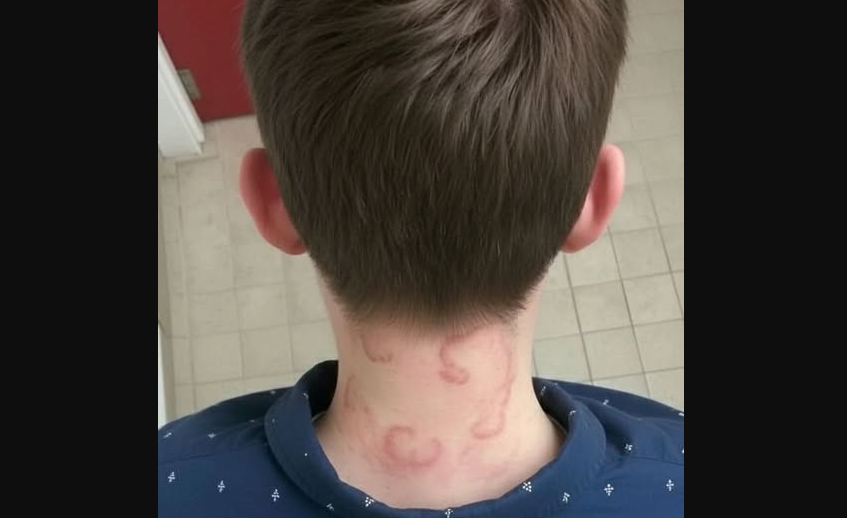
After medical evaluation, we were given an explanation: urticaria, commonly referred to as hives. This condition is associated with the body’s immune response, during which certain cells release histamine. That process can lead to itchy, raised areas on the skin that vary in size and location. While hives are often temporary, they can sometimes persist or change over time.
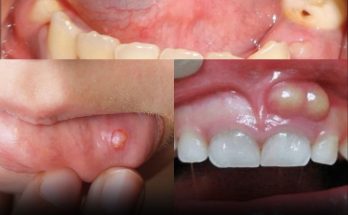
As the condition continued, some swelling developed beneath the skin, particularly around areas like the lips and eyelids. This deeper swelling is known as angioedema and can occur alongside hives. Healthcare professionals explained that swelling in sensitive areas should always be monitored carefully and evaluated by a medical provider.
Doctors worked to understand what might be contributing to the ongoing reactions. Potential factors such as foods, medications, infections, temperature changes, pressure on the skin, and stress were all considered. In many cases, however, no specific trigger can be identified, which is not uncommon with this type of condition.
We also learned that skin reactions are often categorized by duration. Symptoms that last less than six weeks are generally considered short-term, while those continuing beyond that timeframe may be described as ongoing or chronic. This distinction helped guide expectations and treatment decisions.
Management focused on reducing discomfort and calming the immune response. Antihistamines were commonly recommended, sometimes with adjustments made under medical supervision. During more intense periods, additional treatments were used to help control inflammation and ease symptoms. Topical products also provided relief for localized itching.
Education became an important part of the process. Understanding early signs and knowing when to seek medical advice helped us feel more prepared. Healthcare providers emphasized the importance of paying attention to changes in symptoms and responding promptly when needed.
This experience highlighted how skin symptoms can sometimes reflect internal processes that deserve attention. What may appear minor at first can evolve, making awareness and timely care essential.
Living with an ongoing skin condition has encouraged greater attentiveness and patience. With proper guidance, monitoring, and treatment, managing symptoms became more manageable over time. The journey reinforced the value of listening to the body, staying informed, and working closely with medical professionals to support overall well-being.