
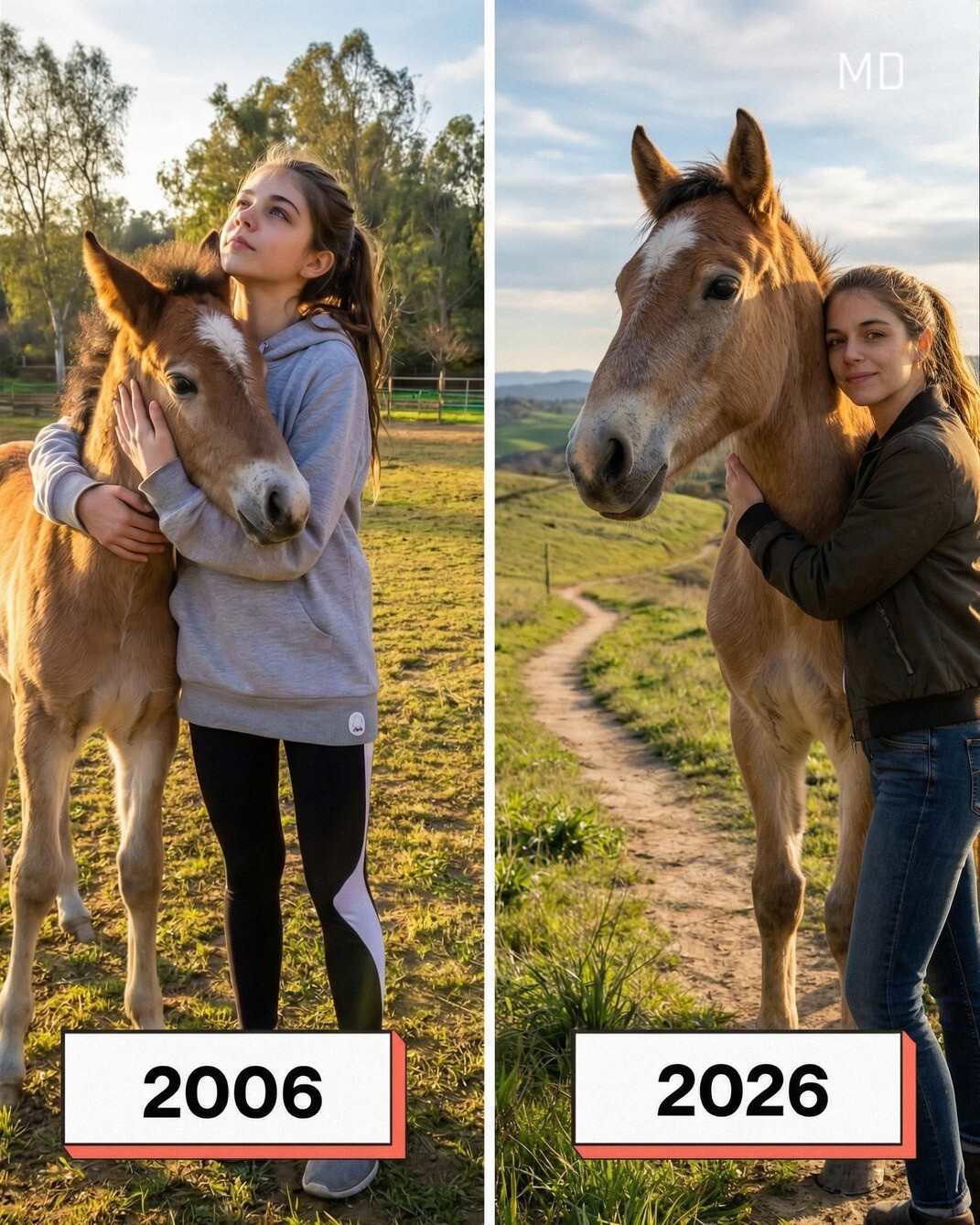
My Husband Sold My Horse Without Telling Me: What I Discovered Changed My Life
Stories of a partner making a huge unilateral decision about a beloved animal surface again and again in advice columns and support groups. A horse that has been part of someone's life since childhood is sold while they are away visiting family. No discussion. No phone call. No warning. The animal is simply gone from its stall, and the explanation offered is that keeping an older horse "no longer made sense."
Whether or not every detail of such stories is verifiable, the themes they raise are very real: financial honesty in a marriage, respect for what a partner loves, and what to do when trust breaks over something irreplaceable. This article looks at those themes directly, with practical guidance for anyone facing a version of this situation.
Why a Pet Decision Can Break a Marriage
To an outsider, a dispute about an animal can look minor. To the person who loves that animal, it is anything but. A horse, dog, or other long-term companion is often tied to childhood, to lost loved ones, to identity itself. Selling or rehoming that animal without discussion sends a message that goes far beyond money: your feelings do not count in this household.
Relationship counselors note that it is rarely the single act that ends a marriage. It is what the act reveals: a pattern of dismissing a partner's attachments, making financial decisions in secret, or treating shared life as one person's property. The empty stall is the symptom. The disease is the lack of partnership.
Financial Honesty: The Real Issue
Big money decisions made in secret corrode trust faster than almost anything else. A few principles protect both partners:
- Agree on a threshold. Many couples set a dollar amount above which neither person spends, sells, or gives away without discussion. The number matters less than the agreement: it could be 100 or 10,000, depending on your finances.
- Shared assets need shared decisions. If you bought the animal together, or if household money pays for its care, one partner does not get to dispose of it alone. That applies to horses, vehicles, furniture, and anything else of real value, financial or emotional.
- Separate property still deserves conversation. Even if the horse was yours before the marriage, a decision that will devastate your partner deserves a conversation. Respect is not a legal concept. It is a relationship one.
- Watch for financial secrecy patterns. One hidden sale is a crisis. A pattern of hidden accounts, hidden debts, or hidden spending is a different and larger problem that may need professional help to untangle.
- Put agreements in writing. It feels unromantic, but a simple written agreement about major shared assets, who owns what, and how decisions get made prevents exactly this kind of disaster.
If Your Partner Sold or Rehomed Your Animal
Discovering that your animal is gone is a shock. Here are practical steps, roughly in order:
- Stay safe and stay calm in the moment. Confrontation while flooded with adrenaline rarely produces good outcomes. Give yourself time to think before you act.
- Gather documentation. Ownership papers, registration, vet records, boarding receipts, and photos all establish your claim. Keep copies somewhere your partner cannot access or delete, such as a cloud account or a trusted friend's home.
- Trace where the animal went. Call stables, rescues, and buyers in the area. The animal welfare community is tight-knit, and paper trails usually exist: bills of sale, transfer paperwork, transport records.
- Know your legal position. Laws vary widely, but selling someone else's property without authority can have legal consequences. A consultation with an attorney, many offer free initial calls, will tell you what options exist where you live. Act quickly, because once an animal is resold, recovery gets harder.
- Decide what you actually want. Do you want the animal back? Compensation? An acknowledgment and a change in behavior? Or is this the final proof that the relationship cannot continue? There is no wrong answer, but knowing your goal shapes every step.
- Tell someone you trust. Isolation helps the person who acted in secret. A friend, family member, or counselor who knows the full story is both emotional support and a witness.
Caring for a Senior Horse: The Practical Side
Older horses are sometimes sold because their care feels overwhelming. Understanding what senior horse care actually involves helps both partners make informed decisions:
- Veterinary care shifts, not disappears. Senior horses need regular dental work, since worn teeth make eating difficult, along with monitoring for conditions like Cushing's disease and arthritis. These are manageable with a vet's guidance.
- Feeding changes. Older horses often do better on soaked feeds, senior-formulated concentrates, and high-quality hay or hay replacers. A vet or equine nutritionist can design a plan.
- Comfort matters most. Soft bedding, shelter from extreme weather, and gentle, consistent exercise keep an older horse comfortable. Many seniors thrive for years with modest adjustments.
- Retirement boarding exists. If keeping the horse at home is genuinely impractical, retirement board facilities specialize in senior horse care. Selling to an unknown buyer is not the only option, and it is rarely the kindest one.
- Euthanasia, when the time comes, is a decision to make together. Saying goodbye to an old friend is painful enough without secrecy. It deserves honesty, presence, and mutual agreement.
Rebuilding Trust, or Deciding Not To
After a betrayal like this, couples face a real fork in the road. Rebuilding is possible, but it requires specific things: full honesty about what happened and why, genuine accountability rather than excuses, concrete changes such as joint financial transparency, and usually the help of a couples counselor. Trust is rebuilt through consistent behavior over time, not through a single apology.
Sometimes, though, the incident clarifies that the relationship has been one-sided for a long time. Choosing to leave is not failure. Protecting what you love, including your own dignity, sometimes means choosing yourself. If you are considering leaving, a domestic support hotline or a trusted advisor can help you plan safely, especially if finances are entangled.
Frequently Asked Questions
Can someone legally sell my horse without my permission?
Generally, no one can legally sell property they do not own. But proving ownership and unwinding a sale takes time and legal help. This is why documentation matters so much, and why acting quickly improves your chances.
How do I bring up a difficult pet decision with my partner?
Choose a calm moment, state the facts and your feelings without accusations, and propose options rather than ultimatums. "I am worried about the cost of Spirit's care. Can we look at the numbers together and talk about our options?" opens a conversation. A secret sale closes one.
What are the warning signs of financial control in a relationship?
Hidden spending or selling, restricting your access to money, making you justify every purchase while spending freely themselves, and dismissing your financial concerns. One sign deserves a conversation. A pattern deserves professional guidance.
Is it selfish to prioritize an animal over a marriage?
It is not selfish to expect honesty and respect from a partner. The conflict is rarely really about the animal. It is about whether both people's feelings count in the relationship.



