
Pay Attention to Your Body's Warning Signs
Our bodies constantly communicate information about our health. They send signals to alert us when there are issues. Most of these signals are subtle at first: a small change in the skin, a mark on a nail, a color that was not there last month. Learning to notice them, and knowing which ones deserve a doctor's visit, is one of the simplest forms of preventive care.
Here are eight bodily indicators you should be aware of.
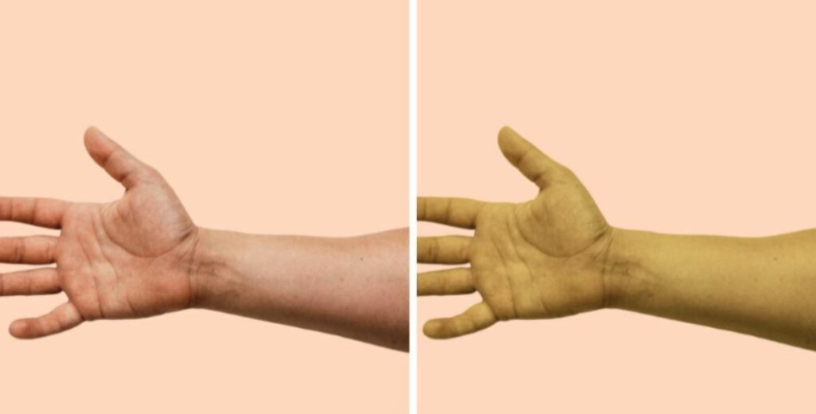
1. Yellowing Skin
Jaundice, which causes yellow skin and eyes, can indicate liver disease. This occurs when the body cannot eliminate excess bilirubin, a yellow pigment produced when red blood cells break down.
Jaundice is never a symptom to watch and wait on. It can be linked to liver inflammation, gallbladder blockages, or other conditions that need prompt medical evaluation. If you notice a yellow tint in your skin or in the whites of your eyes, see a doctor quickly.
2. White Dots on Nails
White flecks on your nails might be accidental, the result of a minor bump to the nail bed you have already forgotten. But persistent spots can signal a deficiency in zinc, calcium, or protein.
Occasional white marks are extremely common and usually harmless. The pattern that deserves attention is different: many nails affected at once, spots that never grow out, or changes in nail texture alongside the spots. A balanced diet rich in protein, dairy or fortified alternatives, nuts, and seeds covers most nutritional causes, but ongoing changes are worth mentioning at your next checkup.
3. Thin or Cracked Lips
Dehydration can cause blisters or cracks on your lips. Alternatively, you might be using the wrong lipstick or lip product, since fragrances and certain ingredients can irritate sensitive skin.
Lips have very thin skin and no oil glands of their own, which is why they dry out first when fluid intake drops. Drinking enough water throughout the day, using a simple fragrance-free lip balm, and avoiding licking your lips (saliva evaporates and dries them further) usually solves the problem. If cracking is severe, bleeds, or does not heal, a pharmacist or doctor can check whether an infection or allergy is involved.
4. Rounded Nails
Clubbed fingernails can indicate chronic lung disease or digestive issues, causing nails to grow and bend downward around the fingertips.
Nail clubbing develops gradually: the fingertips widen, the nails curve more than usual, and the angle where the nail meets the cuticle flattens. Because it is associated with conditions that reduce oxygen in the blood, including some lung and heart disorders, new or progressing clubbing should always be evaluated by a doctor rather than dismissed as a cosmetic quirk.
5. Lip Sores
Mouth ulcers can result from hormonal changes or stress. A lack of B-12 can also cause sores.
Most mouth ulcers heal on their own within one to two weeks. Rinsing with warm salt water, avoiding spicy or acidic foods while they heal, and managing stress can help. See a doctor or dentist if sores are unusually large, recur frequently, do not heal within two weeks, or appear alongside fatigue or other symptoms that could point to a vitamin deficiency.
6. White Lumps on Upper Eyelids
Styes, or white bumps on your eyelids, can occur if you have dry skin or diabetes. A stye is a small, painful lump caused by an infected oil gland at the edge of the eyelid.
Warm compresses applied for 10 to 15 minutes several times a day usually help a stye drain and heal within a week. Avoid squeezing it, and skip eye makeup until it clears. Recurrent styes, or bumps that do not improve, deserve a medical look, especially for people managing diabetes, since high blood sugar can make skin infections more frequent.
7. Ring Around the Cornea
Arcus senilis, a grey or white ring around the cornea, is common in older adults, where it is usually a harmless sign of aging. But the same ring seen in younger people may indicate high cholesterol.
The distinction matters. In someone under 45, a corneal ring is a good reason to have cholesterol and lipid levels checked. High cholesterol rarely causes symptoms on its own, which is exactly why visible clues like this one are valuable. A simple blood test can confirm whether treatment or lifestyle changes are needed.
8. Bright Red Tongue
A bright red tongue could signify an infection or vitamin deficiency. Oral herpes can also affect tongue color.
The tongue is a surprisingly informative organ. A smooth, glossy red tongue can point to low levels of B vitamins or iron, while patchy redness with a burning sensation can accompany certain infections or allergic reactions. Temporary color changes after eating strongly colored foods are normal and fade quickly. Persistent redness, pain, or swelling is worth discussing with a doctor or dentist.
How to Track Changes Without Becoming Anxious
Noticing your body's signals should empower you, not frighten you. A practical approach:
- Learn your baseline. Glance at your skin, nails, eyes, and tongue during your normal routine so you recognize what is normal for you.
- Note timing. When did the change appear? Is it spreading, fading, or staying the same? A quick note on your phone with a date is enough.
- Look for clusters. One mild symptom in isolation is often nothing. Several new symptoms appearing together deserve quicker attention.
- Act on red flags promptly. Yellowing skin or eyes, sudden nail clubbing, and sores that do not heal are not "wait and see" symptoms.
A Note on Vein Health: A Real Case
Circulation sends its own warning signs. In one case, a 38-year-old woman experienced discomfort, heaviness, and swelling in her legs despite wearing compression hose. After undergoing two sessions of branch vein sclerotherapy and Closurefast radiofrequency ablation of the great saphenous veins, her symptoms quickly subsided, and the veins disappeared over several months.
Varicose veins are more than a cosmetic concern when they cause aching, heaviness, swelling, or skin changes. Modern vein treatments are minimally invasive and performed as outpatient procedures, but they require proper diagnosis first. Anyone with persistent leg symptoms should have their veins evaluated by a qualified specialist rather than relying on compression alone.
Frequently Asked Questions
I noticed one of these signs. Should I panic?
No. Most of these indicators have harmless explanations, especially when they appear alone and briefly. The right response is calm attention: monitor the change, note when it started, and seek care if it persists, spreads, or comes with other symptoms.
How often should I do a self-check?
There is no need for a formal ritual. Simply pay attention during everyday moments: washing your face, trimming your nails, brushing your teeth. Familiarity with your own baseline is what makes new changes stand out.
Can vitamin deficiencies really show up on nails, lips, and tongue?
Yes. The skin, nails, and mucous membranes renew quickly, so they are often the first places where nutritional gaps become visible. That is why persistent changes in these areas are worth mentioning to a healthcare professional.
When is a symptom an emergency?
Seek urgent care for yellowing of the skin or eyes, sudden swelling, sores that bleed heavily, or any symptom paired with chest pain, difficulty breathing, or fainting.
Have you noticed any of these symptoms? Paying attention early gives you the best chance of catching small problems before they grow. Share your experience, and consider booking a checkup if anything on this list looks familiar.
This article is for informational purposes only and is not medical advice. Please consult a qualified professional.

