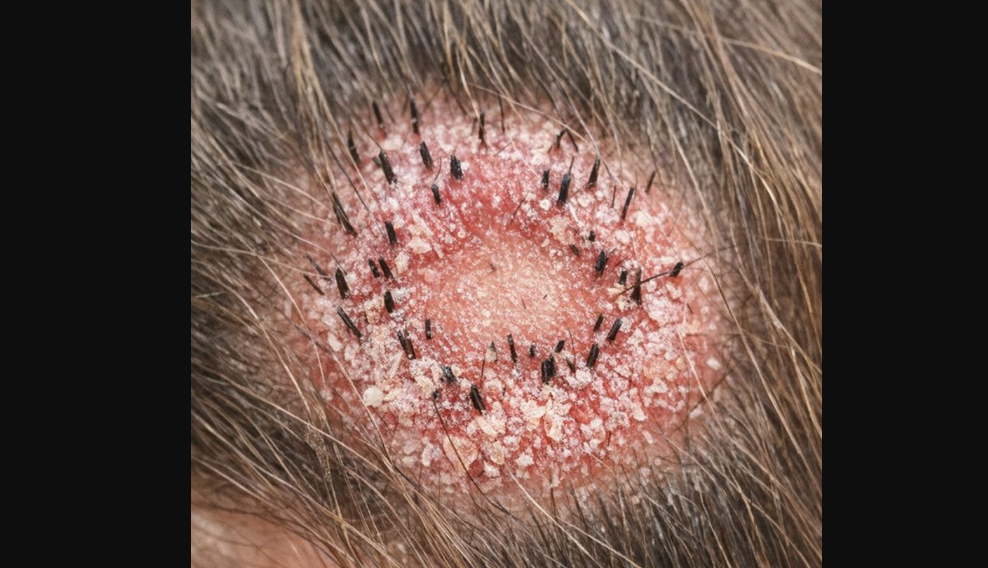
Noticing a red ring on your child’s scalp — especially when hair appears to be breaking off in that area — can feel alarming. When the patch seems to spread quickly, it’s natural to worry.
While the appearance may look concerning, many scalp conditions in children are treatable. Understanding what might be causing these changes can help you stay calm and take the right next steps.
This guide explains possible causes, how to recognize common symptoms, when to seek medical care, and how to protect both your child and others.
When a Red Ring and Hair Breakage May Signal Infection
A circular red patch on the scalp along with thinning or broken hair often suggests a scalp infection. These infections can worsen if left untreated, potentially leading to increased irritation or inflammation.
Redness usually indicates inflammation, and inflamed skin can sometimes become more vulnerable to secondary bacterial infection. Because some scalp infections are contagious, early attention helps prevent spreading to siblings or classmates.
Understanding Tinea Capitis (Scalp Ringworm)
One of the most common causes of this type of symptom in children is Tinea capitis, often called scalp ringworm.
Despite its name, it is not caused by a worm. It is a fungal infection that affects the scalp and hair shafts. The fungus thrives in warm, moist environments and can cause:
-
Round or ring-shaped red patches
-
Scaly or flaky skin
-
Hair that breaks off near the scalp
-
Itching
-
Small black dots where hair has snapped
It spreads through direct contact with an infected person or animal, or indirectly through shared items like hats, brushes, pillows, or combs.
Prompt diagnosis and treatment are important to stop the spread and protect the scalp.
How to Tell It Apart From Other Scalp Conditions
Accurate identification matters. Some common conditions may look similar at first glance.
Dandruff usually causes loose white flakes without a red ring or localized hair breakage.
Eczema can create red, irritated skin and may appear on other areas of the body as well, but it does not typically form a distinct circular patch with broken hairs.
Head lice cause itching and visible nits attached to hair strands. They do not create round red patches or areas where hair appears snapped near the scalp.
Scalp ringworm is more likely when you see a round, scaly patch combined with hair broken close to the surface.
When to Seek Urgent Medical Care
Contact a healthcare professional right away if your child develops:
-
Fever
-
Severe pain
-
Rapid swelling
-
Pus or drainage
-
A rapidly enlarging area
-
Signs of feeling generally unwell
These symptoms may indicate a more serious infection or complication.
Safe First Steps at Home
While waiting for a medical appointment, you can gently wash the scalp with a mild antifungal shampoo if available. Encourage your child not to scratch, since scratching can worsen irritation.
Wash bedding, hats, clothing, and hair accessories in hot water. Disinfect brushes and combs thoroughly. Avoid sharing towels, pillows, or personal items within the household. These steps help reduce spread while awaiting treatment.
What to Avoid
Online remedies such as vinegar, garlic, or concentrated essential oils may irritate the scalp and increase inflammation.
Avoid aggressive scrubbing or harsh chemical treatments. Rely on medically recommended therapies and consult a healthcare provider before trying alternative remedies.
Why Over-the-Counter Creams May Not Work
Many antifungal creams designed for skin infections do not penetrate deeply enough into hair follicles. Because scalp ringworm affects the hair shaft, it usually requires oral antifungal medication prescribed by a doctor.
Medicated shampoos may be recommended alongside oral treatment to help reduce surface fungus and limit spread.
Protecting Siblings and Classmates
To reduce transmission, wash bedding and clothing in hot water and dry them thoroughly. Avoid sharing hats, helmets, brushes, or hair ties. Informing the school or daycare may be helpful so staff can monitor for symptoms if needed.
Good hygiene habits play an important role in prevention.
Supporting Your Child Emotionally
Temporary hair thinning or visible scalp changes can affect a child’s confidence. Reassure your child that this condition is common, treatable, and usually temporary.
If your child feels self-conscious, a comfortable hat or scarf during treatment may help them feel more secure. Listening carefully and validating their feelings can ease worry and reduce embarrassment.
What to Expect at the Doctor’s Visit
The doctor will examine the scalp closely and may perform a simple test to confirm the diagnosis. If scalp ringworm is confirmed, oral antifungal medication such as Griseofulvin or Terbinafine may be prescribed for several weeks.
Follow-up appointments help ensure the infection clears completely and hair regrowth progresses normally.
Preventing Future Infections
After treatment, encourage regular hair washing and avoid sharing personal hair tools. Keeping the scalp clean and dry helps reduce fungal growth.
Continue disinfecting items that come into contact with the head, especially after visits to communal areas such as pools or locker rooms. Teaching these habits early can lower the risk of recurrence.