
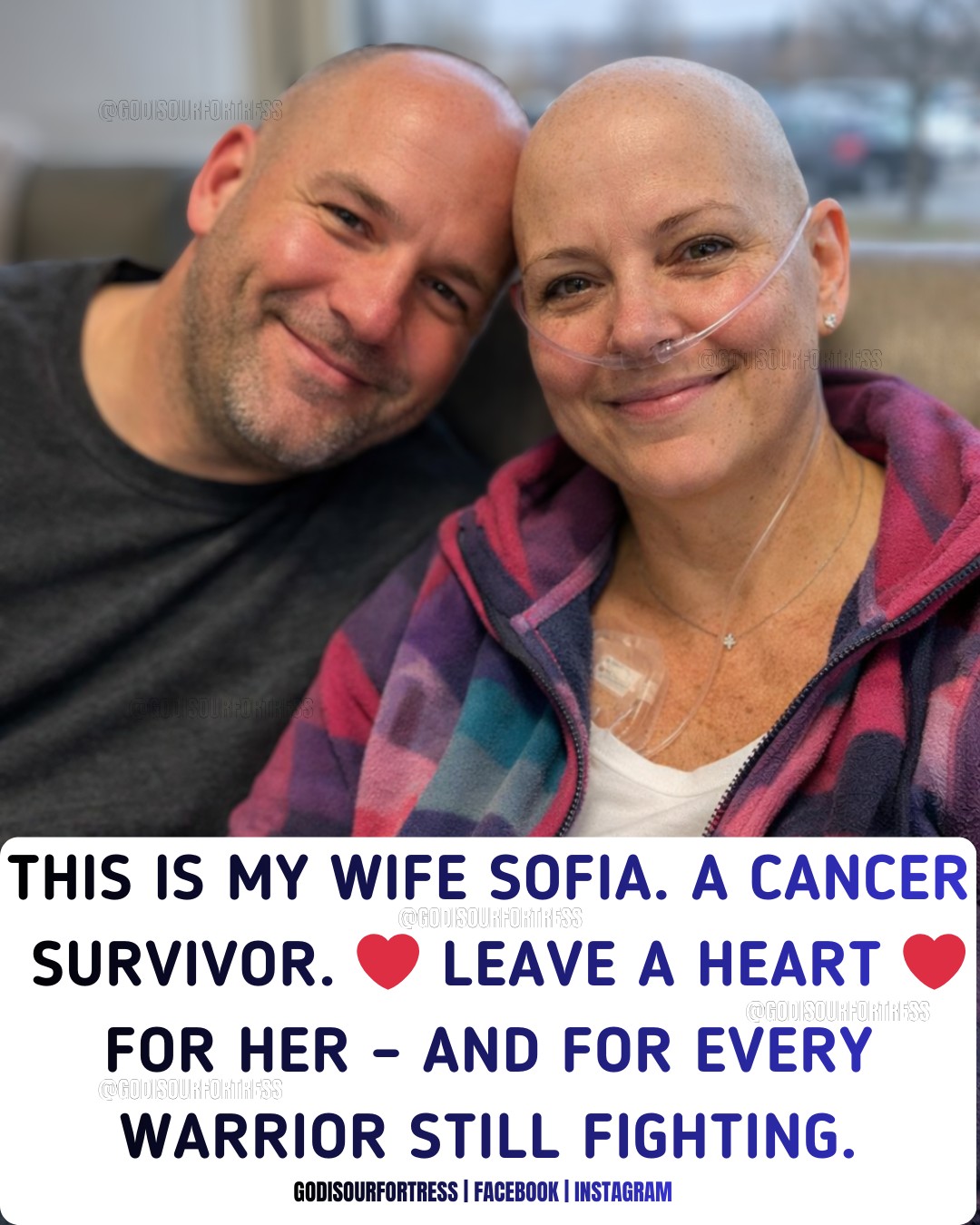
She Lost Her Hair, But She Never Lost Her Faith
She lost her hair. She faced one of the most challenging seasons of her life. And through it all, her faith remained steady.
This is Sofia's story. Sofia is a cancer survivor, a devoted wife, and a woman whose resilience grew stronger with every obstacle she faced.
When Life Changed in an Instant
Her journey began with uncertainty and fear, the kind that changes daily life in an instant. Medical appointments replaced normal routines, and the future suddenly felt fragile and unclear.
Anyone who has received a serious diagnosis knows this moment: the room seems to tilt, time moves strangely, and ordinary plans suddenly feel very far away. For Sofia, the days that followed were filled with tests, consultations, and decisions she never imagined she would have to make.
There were days when her energy was gone and nights when worry made rest difficult. The physical changes were hard, and the emotional weight was even heavier.
Losing Her Hair, Finding Her Strength
Hair loss is one of the most visible and emotionally difficult side effects of cancer treatment. Hair is deeply tied to identity, femininity, and normalcy, and watching it fall out can feel like losing a part of yourself in public, day after day.
For many patients, the experience follows a painful arc: first the thinning, then the decision of whether to cut it short preemptively or let it fall naturally, then the mornings of finding it on the pillow. Each stage carries its own grief. And yet, for Sofia, each stage also became a marker of something else: she was still here, still fighting, still moving through treatment one day at a time.
What helped many survivors reframe the experience applies to her story too. Hair grows back. The person underneath, the courage, the love, the faith, was never going anywhere.
Practical steps that help others facing treatment-related hair loss include:
- Preparing in advance. Some people choose a shorter haircut before treatment begins, which can make the transition feel more controlled.
- Exploring head coverings. Soft caps, scarves, and wigs in styles that feel like "you" can restore a sense of normalcy on difficult days.
- Protecting the scalp. A bare scalp is sensitive to sun and cold, so sunscreen and warm coverings matter.
- Being gentle when regrowth begins. New hair is often fine and fragile at first; mild products and patience help.
Faith as an Anchor
Yet in those quiet moments, Sofia leaned into her faith. She believed that even when answers were unclear, she was not walking alone.
Throughout treatment, prayer became a source of comfort and strength. In hospital rooms and waiting areas, she found peace by trusting God with each new day. When her body felt weak, her faith reminded her to keep going, one breath, one step, one moment at a time.
This pattern is familiar to many people of faith facing illness. Belief does not remove the fear or the pain, but it can change the shape of them. Instead of suffering alone in the dark, there is a sense of being accompanied. Instead of the future being a void, it becomes something entrusted to caring hands. For Sofia, faith was not denial of how hard things were. It was the framework that let her face how hard things were without being destroyed by them.
What the Journey Taught Her
Cancer challenged her sense of control and tried to steal her joy. It tested her patience and forced her to slow down in ways she never expected. But it did not take away her hope. Instead, it revealed a deeper strength rooted in belief, perseverance, and grace.
Sofia often says the journey was not easy, but it was meaningful. She learned to celebrate small victories, appreciate quiet moments, and rely on faith when strength alone was not enough.
Those small victories deserve naming, because they are the real texture of recovery: a good blood test result, a day with enough energy for a walk, the first sign of hair regrowth, a night of unbroken sleep. Healing rarely arrives as a single dramatic moment. It accumulates in these quiet increments.
Recovery did not happen overnight, but progress came with time, support, and prayer.
How Loved Ones Can Help
Sofia's story also carries a lesson for the people surrounding someone in treatment. Support matters enormously, and the most helpful support is often practical and steady rather than grand:
- Show up consistently. A short visit, a text, a meal dropped off: reliability beats intensity.
- Offer specific help. "I am bringing dinner Tuesday" helps more than "let me know if you need anything."
- Respect the hard days. Some days the patient will not want visitors or conversation. That is not rejection.
- Acknowledge the grief. Losing hair, energy, and normalcy are real losses. Do not rush past them with forced positivity.
- Pray with them, if faith is shared. For believers like Sofia, shared prayer is not a platitude. It is genuine comfort.
Frequently Asked Questions
Does hair always grow back after cancer treatment?
In most cases, hair begins to regrow within weeks to months after treatment ends, though texture and color can temporarily differ. Persistent or permanent changes are less common but can occur with certain treatments. A doctor can discuss what to expect for a specific treatment plan.
How can faith communities support members facing serious illness?
Through prayer, practical help like meals and rides to appointments, and simply remaining present over the long months of treatment. The worst outcome for many patients is not the illness itself but the isolation that can grow around it.
What helped Sofia most on her hardest days?
By her own account: prayer, the steady presence of her husband and loved ones, and the discipline of taking the journey one day, one breath, one step at a time rather than trying to carry the whole future at once.
Is it normal to grieve hair loss even when the treatment is saving your life?
Completely normal. Gratitude for treatment and grief over its costs can exist side by side. Both feelings are valid, and neither cancels the other.
Today, Sofia's story stands as a reminder that difficult seasons do not last forever. Healing can take many forms, and hope can exist even when the road is uncertain.
Her experience speaks to anyone facing a health struggle, supporting a loved one, or holding onto faith during a difficult chapter of life. This story is for every person still fighting. For every family waiting and praying. For every heart believing that better days are ahead.
The journey continues. And God is still at work.
This article is for informational purposes only and is not medical advice. Please consult a qualified professional.



