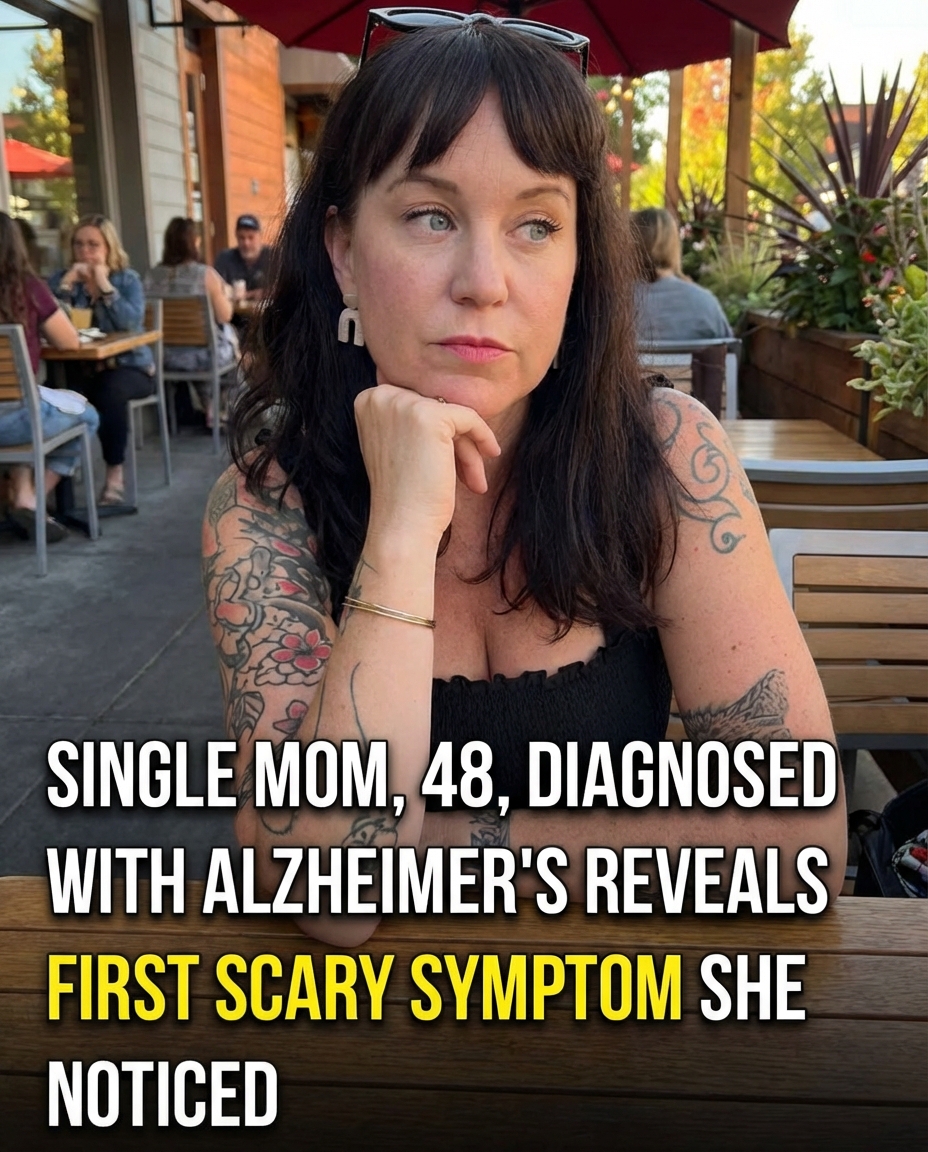
Single Mom Diagnosed With Early-Onset Alzheimer’s at 48 Reveals the First Symptom She Noticed
A single mother in her late 40s is speaking out after receiving a life-changing medical diagnosis that reshaped her future and daily routine. At just 48 years old, Rebecca Luna never expected to hear the words "early-onset Alzheimer's." Like many parents balancing work and family responsibilities, her days were busy and full, and the first changes she noticed seemed easy to explain away.
Her story is a powerful reminder that Alzheimer's is not only a condition of old age, and that paying attention to subtle changes in memory and thinking can matter at any stage of life.
The First Symptom She Noticed
At first, the changes Rebecca noticed seemed minor: small moments of forgetfulness that felt easy to blame on stress or exhaustion. For a working single parent, those explanations felt natural. Busy days, interrupted sleep, and constant multitasking make anyone forgetful sometimes.
However, one ordinary morning at work became a turning point. After sitting down at her computer to begin her usual tasks, she suddenly couldn't remember what she was supposed to do next. The routine that had once been automatic felt unfamiliar. It was not the everyday kind of forgetfulness, like misplacing keys. It was a familiar task suddenly feeling strange, as if the steps she had performed countless times had slipped out of reach.
That unexpected moment prompted her to seek medical advice.
Understanding Early-Onset Alzheimer's
Alzheimer's disease is most commonly associated with older adults. However, early-onset cases can develop in people in their 40s or 50s. Though less common, this form of the condition can significantly impact careers, financial stability, and family life much earlier than many anticipate.
In general terms, early-onset Alzheimer's refers to symptoms appearing before age 65. It affects people during their prime working and caregiving years, which is why the practical impact can be so far-reaching. A diagnosis in one's 40s or 50s can disrupt a career at its peak, complicate financial planning, and reshape family roles, since the person may still be raising children or caring for aging parents.
Rebecca's experience reflects a pattern many families describe: the earliest changes look like ordinary stress or fatigue. Initially, Rebecca believed her symptoms were simply the result of stress and fatigue, common experiences for working parents. But over time, the memory lapses became more frequent. Everyday tasks that once required little thought began to demand extra concentration. As uncertainty grew, she decided to pursue medical testing, which ultimately confirmed the diagnosis.
Adjusting to Daily Changes
As her condition progressed, Rebecca became more aware of how memory challenges could affect everyday routines. In one instance, she became distracted while cooking and later realized she had left something on the stove longer than intended. Moments like these highlighted the importance of safety adjustments and support systems.
Kitchen safety is one of the most common concerns families face, and Rebecca's experience shows why. Simple adaptations, such as timers, automatic shut-off devices, and cooking routines that avoid leaving the stove unattended, can make a meaningful difference. Her story illustrates a broader principle: adjusting the environment is often more effective than relying on memory alone.
Despite the emotional and practical challenges, she remains focused on caring for herself and her children. She has begun adapting her home and work habits to create a safer, more structured environment. Support from healthcare professionals, family members, and community resources has also played a key role.
Practical Steps for Families Facing a Similar Diagnosis
Rebecca's approach, adapting her surroundings and leaning on support, reflects strategies that many families find helpful. In general terms, these may include:
- Creating structured routines. Consistent daily schedules reduce the number of decisions memory has to handle.
- Using memory aids. Calendars, reminder apps, labeled storage, and written checklists can support independence.
- Making the home safer. Timers, good lighting, simplified layouts, and automatic shut-off appliances reduce everyday risks.
- Building a support network. Family members, friends, healthcare professionals, and community resources each play a role.
- Planning ahead. Legal, financial, and care planning done early gives the person more control over future decisions.
- Keeping communication open. Honest, compassionate conversations with children and family members help everyone adjust together.
None of these steps requires the situation to be dire before starting. Families who plan early often find the later stages easier to navigate, because the groundwork is already in place.
Early Signs Worth Taking Seriously
Rebecca's story highlights how easy it is to dismiss early cognitive changes. In general, symptoms that merit a medical conversation include:
- Memory loss that disrupts daily life, not just occasional forgetfulness
- Difficulty completing familiar tasks, like the work routine that suddenly felt unfamiliar to Rebecca
- Confusion about time, place, or sequence of events
- Trouble concentrating or following conversations
- Misplacing things and being unable to retrace steps
- Changes in judgment, mood, or personality
The important distinction is between normal age-related or stress-related lapses and changes that are persistent, worsening, or interfering with daily functioning. When in doubt, a medical evaluation is the right step. Many conditions can cause memory problems, and some of them are treatable, which is another reason not to assume the worst or to avoid getting checked.
Raising Awareness
By sharing her experience, Rebecca hopes to increase awareness that Alzheimer's can affect individuals at different stages of life. Early recognition of symptoms, such as persistent memory loss, confusion with routine tasks, or difficulty completing familiar activities, can help people seek medical evaluation sooner.
Her story serves as a reminder that paying attention to subtle changes in cognitive health is important at any age. With early support, planning, and understanding, individuals facing similar diagnoses can take steps to maintain independence and quality of life for as long as possible.
Awareness also helps the people around the person diagnosed. When family members, employers, and communities understand that cognitive conditions can appear earlier than expected, they are better prepared to respond with support rather than misunderstanding. Rebecca's willingness to speak openly contributes to that understanding, one conversation at a time.
Frequently Asked Questions
What is early-onset Alzheimer's?
It is a term generally used for Alzheimer's symptoms that appear before age 65, including in people in their 40s and 50s. It is less common than the later-onset form but can have a major impact on work and family life.
Is occasional forgetfulness a sign of Alzheimer's?
Not necessarily. Everyone forgets things sometimes, especially under stress or fatigue. The concern is with memory loss that is persistent, worsening, or disruptive to daily life, which is what prompted Rebecca to seek evaluation.
What should someone do if they notice persistent memory changes?
The first step is a conversation with a healthcare professional. A proper evaluation can identify what is causing the symptoms, and many causes of memory problems are treatable or manageable.
How can families support a loved one after diagnosis?
Patience, structured routines, memory aids, home safety adjustments, and open communication all help. Professional guidance from healthcare providers and community resources can help families build a plan that fits their situation.
Why does sharing stories like Rebecca's matter?
Personal stories reduce stigma and help others recognize that cognitive health deserves attention at any age. They encourage people to seek evaluation earlier, when support and planning can make the biggest difference.
The Bottom Line
Rebecca Luna's story began with a small, strange moment at her desk: a routine task that suddenly felt unfamiliar. Because she paid attention to that moment and sought answers, she gained the clarity to plan, adapt, and keep caring for her children with intention. Her message is simple and worth repeating: subtle changes in memory and thinking deserve attention at any age, and seeking help early is a sign of strength, not weakness.
This article is for informational purposes only and is not medical advice. Please consult a qualified professional.