Six months after my divorce, I never expected to hear from my ex-husband again. But that morning, as I rested in a hospital bed with my newborn daughter sleeping peacefully beside me, my phone suddenly rang.
The name on the screen stopped me cold: Ethan Walker.
I almost ignored the call. Almost.
When I finally answered, I didn’t bother hiding my confusion. “Why are you calling?”
His voice sounded surprisingly cheerful. “I’m getting married this weekend,” he said. “I thought it would be respectful to invite you.”
I let out a tired laugh. “Ethan, I just gave birth. I’m not going anywhere.”
There was a brief pause. Then he replied casually, “Alright. I just wanted you to know,” before ending the call.
I stared up at the ceiling, feeling a mix of exhaustion and disbelief. Our marriage hadn’t ended because we stopped caring. It ended because Ethan believed his career mattered more than family. When I told him I was pregnant, he accused me of trying to pressure him. A month later, he filed for divorce and disappeared from my life.
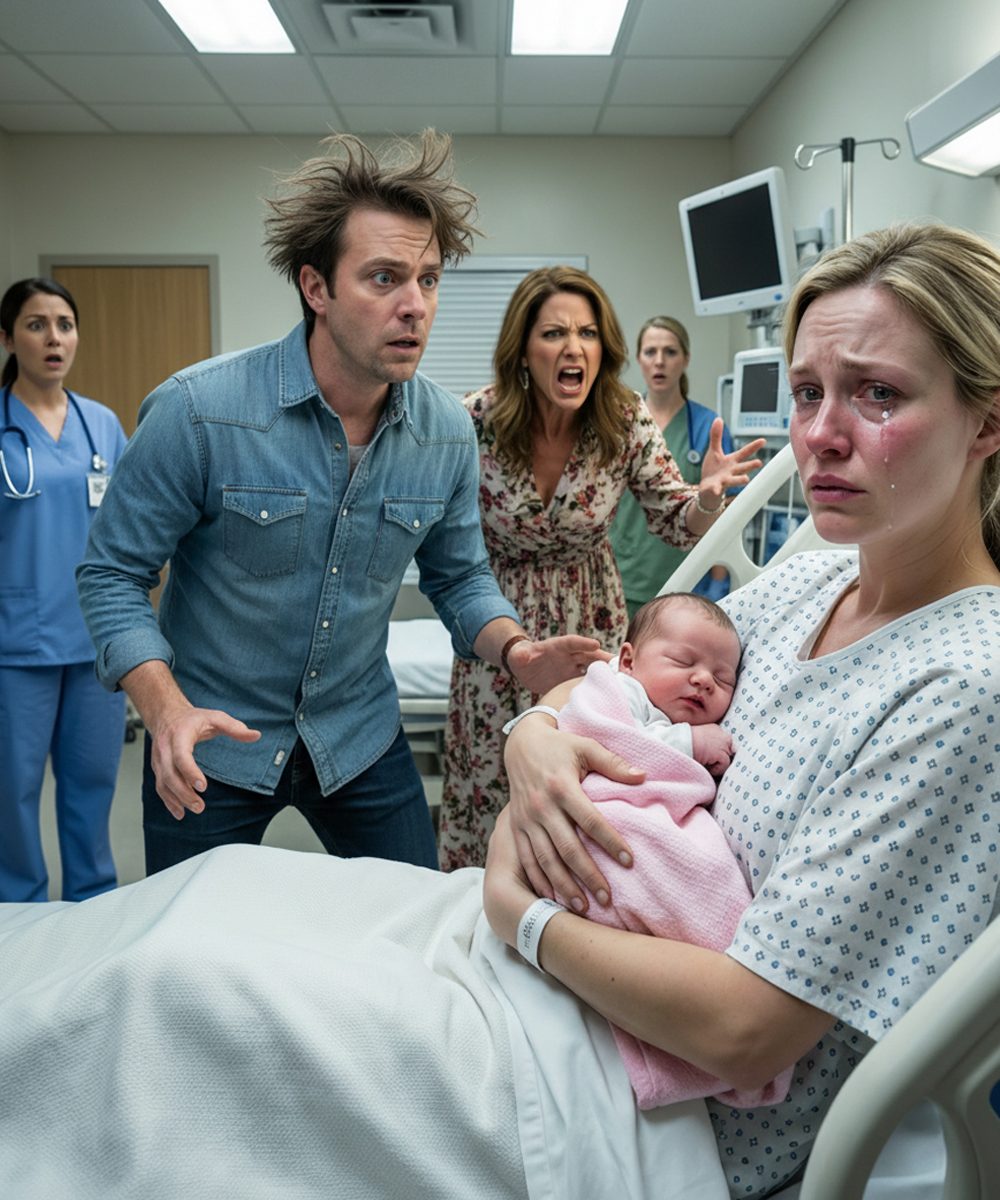
About thirty minutes later, as I drifted in and out of sleep, my hospital room door opened suddenly. Nurses froze. My mother stood up in shock.
Ethan rushed in, looking pale and unsettled. Without saying a word, he walked straight to the crib and stared at the baby. His hands trembled.
“She looks just like me,” he whispered.
I sat up. “What are you doing here?”
He turned toward me, panic clear in his eyes. “Why didn’t you tell me the baby was a girl?”
I couldn’t help laughing softly. “Why would I? You said the baby wasn’t yours.”
“That’s not what I meant,” he said quickly. “I thought… I thought you weren’t pregnant anymore. My fiancée told me you lost the baby.”
My heart tightened. “She lied to you.”
He ran a hand through his hair, clearly overwhelmed. “I invited you to the wedding because she insisted. She wanted to be sure you were completely out of my life. When I told her you’d just given birth, everything fell apart.”
He paused. “She said the baby couldn’t exist.”
Moments later, his fiancée arrived, visibly upset. She stared at the crib and shouted that the situation was destroying her life. Nurses and staff quickly intervened.
I pulled my daughter closer. “Please take her out,” I said calmly.
Ethan finally understood. He looked at his fiancée in disbelief. “You told me she wasn’t pregnant.”
She admitted she was afraid he would return to me if he knew the truth.
Ethan sank into a chair, shaken. “I ruined my family because I didn’t listen.”
I spoke quietly. “You ruined it because you chose not to trust me.”
After security escorted her out, Ethan turned back to me. “Is the baby really mine?”
I nodded. “You asked for a DNA test during the divorce. The results confirmed it.”
He admitted he never even looked at them.
“She’s your daughter,” I said. “But that doesn’t mean everything can be fixed overnight.”
He canceled the wedding that same day.
In the weeks that followed, Ethan showed up consistently. He learned how to hold his daughter, care for her, and be present—without pressure or demands.
Forgiveness wasn’t easy. Trust was even harder.
One evening, he said quietly, “I don’t expect you to take me back. I just won’t walk away from my child.”
Three months later, my life felt stable again. I had my own place, a steady job, and a daughter who smiled every time she heard her father’s voice. Ethan never missed a visit.
We weren’t together—but we were co-parenting with honesty and respect.
His former fiancée reached out once with a long message of apologies. I didn’t respond. Some chapters are better left closed.
There was no dramatic reunion or perfect ending. What we built instead was something real—accountability, patience, and responsibility.
Because love isn’t proven by promises or panic.
It’s proven by showing up, even after everything falls apart.