The Small Tool That Unlocks a Flood of Childhood Memories
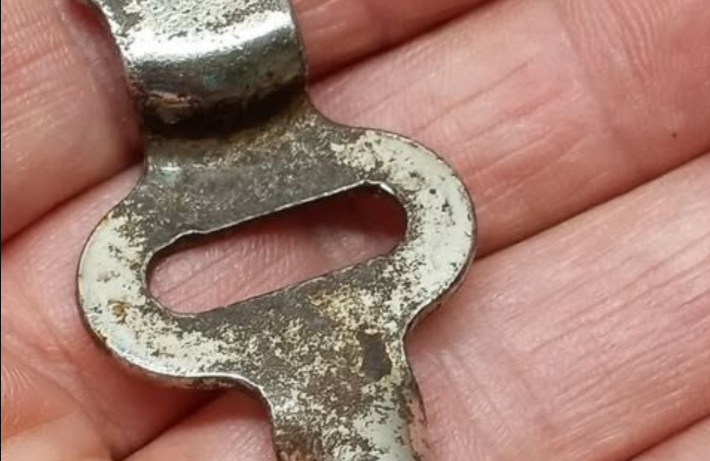
Some objects may seem ordinary at first glance, yet they have a remarkable way of unlocking memories we didn't even realize we were holding onto. A small, slightly worn piece of metal tucked into a drawer or resting in an old box might not look like much. Still, for many people, it sparks instant recognition: the roller skate key.
Simple and easy to overlook, this tiny tool carries emotional meaning far greater than its size, bringing back memories of carefree days and endless outdoor play.
What Was a Roller Skate Key?
Before modern roller skates introduced built-in adjustment systems, skates relied on metal frames and leather straps that had to be tightened by hand. Each pair came with a key designed to secure the clamps and ensure a snug fit. Without it, skating could be uncomfortable or unsafe.
These were the classic adjustable metal skates that clamped onto regular shoes, the kind millions of children owned from the 1950s through the 1980s. The skate had toe and heel clamps that gripped the shoe, tightened by turning a screw mechanism. The key, a small T-shaped or L-shaped piece of metal, fit that mechanism. A few turns and the skate went from wobbly to secure.
Because of its importance, the key was always kept close. Many children carried it in a pocket or wore it on a string around their neck, ready whenever the urge to skate appeared. Losing the key meant the skates were useless, so it was guarded like treasure.
More Than a Tool: A Symbol of Freedom
More than just a practical accessory, the roller skate key became a symbol of freedom. It opened the door to long afternoons spent gliding down sidewalks, racing friends, and practicing new moves in driveways and empty streets.
Think about what that key represented to a child. It was autonomy in metal form. With skates tightened and the key in your pocket, the whole neighborhood became yours. No adult supervision required. No schedule. Just wheels, pavement, and possibility.
It was part of the learning process, those early wobbles, small falls, and steady improvements that turned hesitation into confidence. Each use represented progress, patience, and the simple joy of mastering something new.
There is a particular kind of pride in adjusting your own equipment. The key taught children self-reliance in miniature: maintain your gear, take responsibility for your safety, and you earn your independence. These were not lessons delivered in words. They were lessons delivered in skinned knees and triumphant afternoons.
The Social World of the Skate Key
Over time, the key became tied to shared experiences. It traveled in school bags, rested beside skates left in the grass, and echoed softly in roller rinks filled with music and laughter. It was present during friendships formed through play and moments when belonging came naturally.
For many, it represents a period of life that felt safe, familiar, and full of possibility. The roller rink was a social universe: Friday night sessions, couples' skates, the snack bar, the disco lights. The skate key was your passport to all of it.
Even the playground had its rituals. Kids compared keys, traded tips on getting the perfect tightness, and helped younger children learn to adjust their skates. The key was communal knowledge, passed from older kids to younger ones, part of the unwritten curriculum of childhood.
Why Small Objects Trigger Big Memories
Finding a roller skate key today can feel like opening a forgotten memory box. Suddenly, familiar sensations return, the warmth of sunlit pavement, the steady rhythm of wheels rolling forward, the colorful lights of a roller rink, and the cool breeze against your face as you gained speed. Those memories feel surprisingly close, even after many years.
Neuroscientists have an explanation for this. Objects associated with repeated, emotionally rich experiences become powerful memory cues. The brain encodes not just the object but the entire sensory context around it: sounds, smells, feelings, people. Years later, encountering the object reactivates that whole network at once.
This is why a skate key can do what a photograph sometimes cannot. A photo shows you what it looked like. The key makes you feel what it felt like. The weight of it in your palm, the cool metal, the familiar shape, these tactile details bypass conscious recollection and go straight to embodied memory.
Psychologists call these "involuntary autobiographical memories," and they are often more vivid and emotional than memories we deliberately try to recall. The humble skate key is a perfect trigger: specific enough to be personal, ordinary enough to have been present for hundreds of formative moments.
The Era It Represents
These small tools are more than pieces of metal. They are reminders of childhood milestones, outdoor adventures, and the uncomplicated happiness of growing up. They recall a time when play was spontaneous, imagination led the way, and something as simple as a key could unlock an entire world of movement and fun.
The skate key belongs to an era of childhood that looks different from today's: more unsupervised outdoor time, more physical play, more neighborhood roaming. Whether that era was objectively better is debatable, but its emotional texture, captured in objects like the key, remains powerful for those who lived it.
The key also marks a technological transition. Adjustable clamp skates gave way to boot-style skates with built-in sizing. The key became obsolete, which is precisely why finding one now feels so poignant. It is an artifact from a world that no longer exists, except in memory.
Holding the Past in Your Palm
Holding one now often brings a quiet sense of wonder and connection to the past. It's a gentle reminder that while time moves on, some memories remain vivid and meaningful. The roller skate key continues to represent curiosity, freedom, and the lasting joy of skating toward new horizons.
If you find one in a drawer or at a flea market, take a moment with it. Feel its weight. Remember the sidewalks, the friends, the music, the speed. That tiny piece of metal unlocked more than skates. It unlocked a version of you that knew exactly how to be free.
Frequently Asked Questions
What was a roller skate key used for?
It was a small metal tool used to tighten the clamps on adjustable metal roller skates that attached to regular shoes. Turning the key secured the toe and heel clamps, ensuring the skate fit snugly and safely.
When were roller skate keys common?
They were standard equipment from roughly the 1950s through the 1980s, the era of adjustable metal clamp skates. They became obsolete as boot-style skates with built-in adjustment systems took over.
Why did kids wear the key on a string around their necks?
Because losing the key meant the skates couldn't be tightened or adjusted. Wearing it on a string kept it always accessible and impossible to lose during play. It also became a kind of badge of identity among skating kids.
Are roller skate keys collectible?
Yes, among nostalgia collectors. They appear regularly at flea markets, antique shops, and online marketplaces. While not highly valuable in monetary terms, they are prized as evocative artifacts of mid-20th-century childhood.
Why do small objects trigger such strong memories?
The brain encodes objects alongside their full sensory and emotional context. Encountering the object later reactivates that entire network, producing vivid involuntary memories. Tactile objects are especially powerful because touch is deeply tied to embodied memory.
What replaced the skate key?
Modern skates use built-in adjustment mechanisms: buckles, laces, and push-button sizing systems integrated into the boot. These eliminated the need for a separate tool, but also eliminated the ritual of tightening your own skates with your own key.