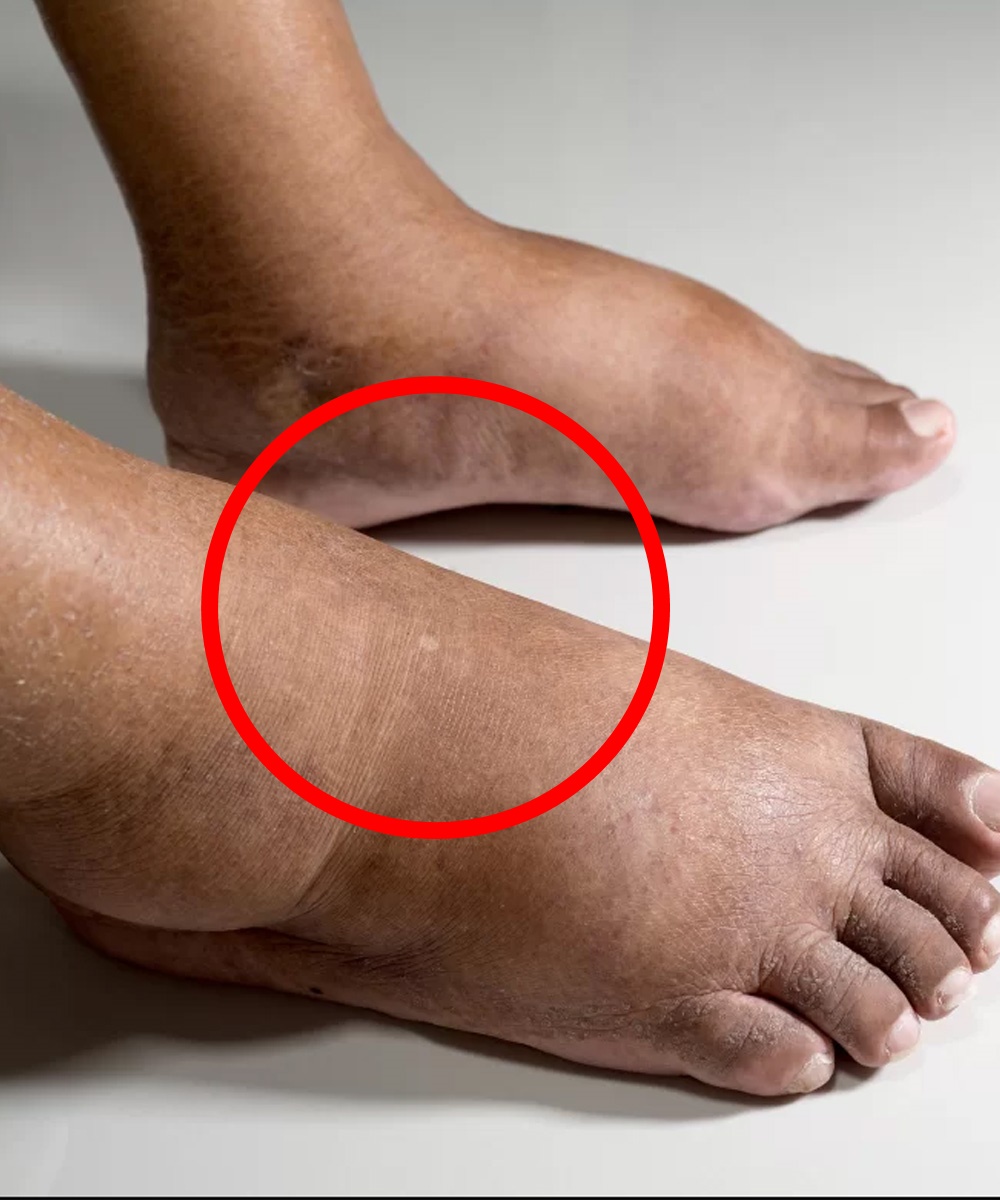
Swollen feet are a common condition that many people experience from time to time. The swelling usually appears as puffiness in the feet or ankles and often happens when fluid builds up in the body’s tissues. In medical terminology, this condition is called edema.
Although occasional swelling is usually temporary, understanding the possible causes and recognizing the signs can help you support your overall foot health and circulation.
Recognizing the Signs of Swollen Feet
Swelling in the feet can develop gradually or appear after certain activities. Some common signs include:
-
Shoes feeling tighter than usual
-
Puffiness around the ankles or toes
-
Skin that looks stretched or slightly shiny
-
A small indentation that remains briefly after pressing on the skin
In many cases, swelling occurs after long periods of standing or sitting. Because the feet are located at the lowest point of the body, circulation must work against gravity to move blood back toward the heart. When circulation slows, fluid may temporarily collect in the lower legs and feet.
Common Causes of Foot Swelling
Several everyday factors may contribute to mild swelling in the feet.
Long Periods of Sitting or Standing
Remaining in the same position for extended periods may slow circulation in the legs, which can lead to fluid buildup.
Warm Weather
High temperatures may cause blood vessels to expand. This natural response can sometimes allow fluid to move into nearby tissues.
High Salt Intake
Consuming foods that are high in sodium may cause the body to retain water, which may contribute to swelling in some individuals.
Pregnancy
During pregnancy, the body naturally holds more fluid. The growing uterus can also place pressure on blood vessels in the pelvis, which may slow blood flow from the legs.
Other Possible Factors
Swelling in the feet can sometimes be associated with:
-
Minor injuries
-
Infections
-
Circulation concerns
-
Certain medications
-
Underlying health conditions affecting major organs
If swelling happens frequently or worsens over time, it is important to speak with a healthcare professional.
When to Seek Medical Advice
While occasional swelling is common, certain symptoms may require medical evaluation. Consider seeking professional advice if you notice:
-
Sudden swelling without a clear reason
-
Swelling that occurs in only one foot
-
Pain, redness, or warmth in the swollen area
-
Swelling combined with breathing difficulty or chest discomfort
A healthcare provider can help identify the cause and recommend appropriate care.
Herbs Often Associated With Circulation Support
In addition to healthy daily habits, some people explore traditional herbal options that are often associated with circulation and comfort. These herbs are commonly used in wellness routines but should not replace medical care.
1. Ginkgo Biloba
Ginkgo biloba is widely known in herbal traditions and is often discussed for its potential role in supporting healthy circulation.
2. Calendula
Calendula is valued for its soothing properties. Some people use calendula-infused water for relaxing foot soaks.
3. Butcher’s Broom
Butcher’s broom has traditionally been associated with supporting vascular health and leg comfort.
4. Chamomile
Chamomile is well known for its calming qualities. A warm chamomile foot soak may help relax tired feet.
5. Ginger
Ginger is commonly used in cooking and herbal teas. It has been used in traditional wellness practices for centuries.
6. Witch Hazel
Witch hazel is known for its natural astringent properties and is often used in topical preparations.
7. Horse Chestnut
Horse chestnut extract is frequently included in creams designed for leg and foot comfort.
8. Dandelion
Dandelion is sometimes used in herbal traditions as a mild natural diuretic and is often prepared as tea.
9. Rosemary
Rosemary oil is known for its refreshing aroma and is sometimes used in diluted form during foot massages.
10. Turmeric
Turmeric contains curcumin, a compound widely studied for its antioxidant properties and is commonly used in cooking.
Simple Herbal Foot Soak Example
A warm herbal foot soak can provide a relaxing way to care for tired feet.
Ingredients
-
1 tablespoon dried dandelion root
-
1 cup hot water
-
Optional honey or lemon
Preparation
-
Bring water to a boil and remove it from heat.
-
Add the dried dandelion root and cover the container.
-
Allow the mixture to steep for about 10–15 minutes.
-
Strain the liquid and allow it to cool to a comfortable temperature.
-
Pour the infusion into a basin large enough for your feet.
-
Soak your feet for 15–20 minutes, then dry gently with a towel.
Daily Habits That Support Healthy Feet
In addition to herbal options, simple lifestyle habits can help promote good circulation and foot comfort:
-
Move regularly throughout the day
-
Avoid sitting or standing for long periods
-
Stay properly hydrated
-
Wear comfortable, supportive footwear
-
Maintain balanced nutrition
A Balanced Approach to Foot Health
Swollen feet can sometimes be uncomfortable, but understanding the possible causes can help you respond more effectively. Healthy habits, proper rest, and medical guidance when needed all play important roles in maintaining circulation and overall wellness.
If swelling becomes persistent or unusual, consulting a healthcare professional is always the best step for safe and appropriate care.