
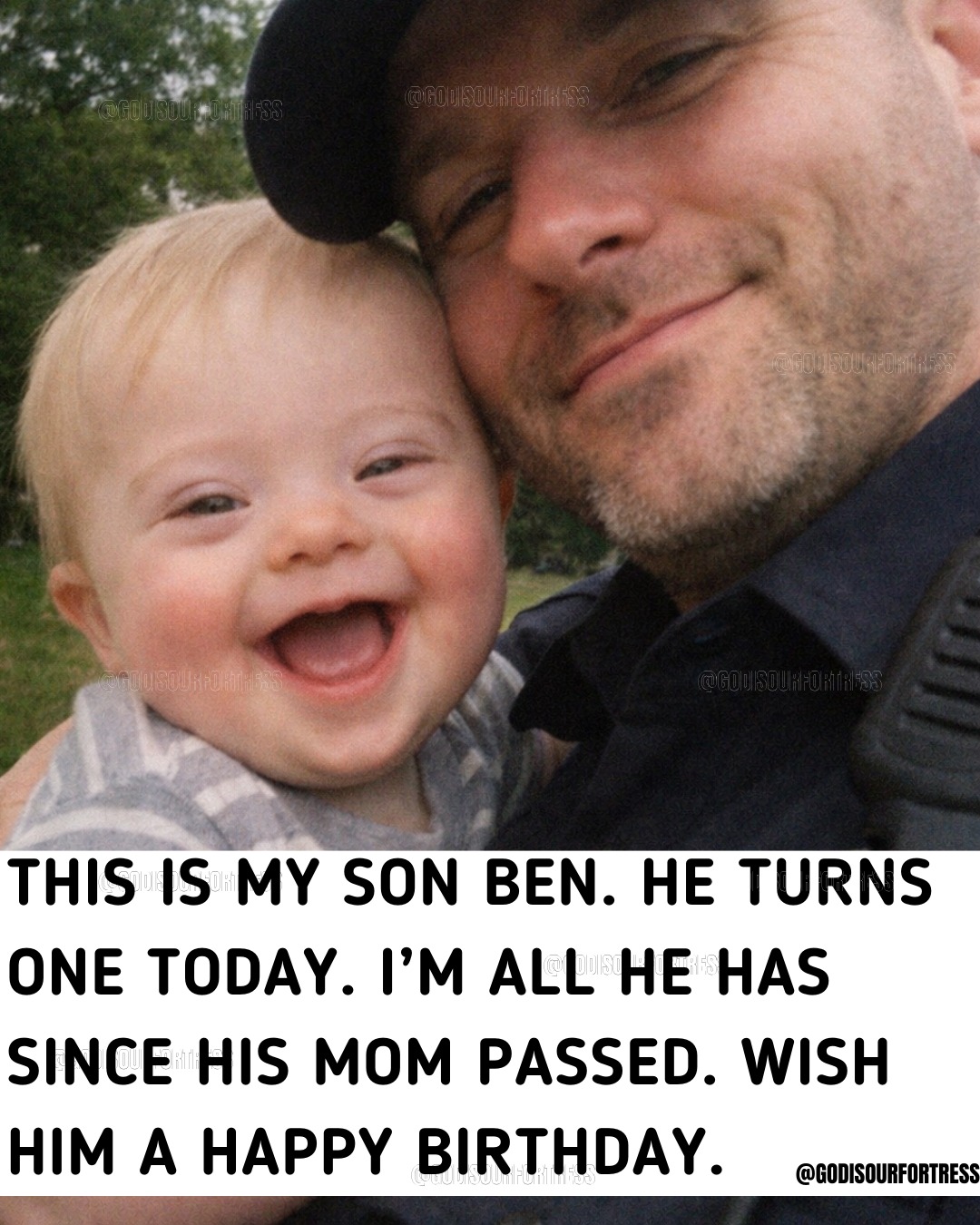
Today He Turns One: A Story of Love, Strength, and New Beginnings
A child's first birthday is always a milestone. When that year has also been the first year of grief, of learning to parent alone after losing the child's mother, the milestone carries a weight that few people fully understand. One year of firsts: first steps, first words, first laugh, all unfolding in a home reshaped by loss.
Stories like this one resonate because they hold two truths at once: grief and joy can share the same room. If you are a parent raising a child alone after loss, or you love someone who is, this guide is about navigating that first year and beyond: honoring the mother who is gone, celebrating the child who is here, and building a life that holds both.
Grief and Parenting Happen at the Same Time
Solo parenting after loss is not grieving first and parenting later. The two run on parallel tracks every single day. You change a diaper while missing her. You celebrate a first step and wish she could see it. This is not a failure to "move on." It is the honest shape of this kind of life.
A few things that help steady the dual track:
- Let the feelings coexist. You can be grateful for your child and heartbroken about your partner in the same hour. One does not cancel the other.
- Grief has no deadline. The first birthday, the first holidays, the second year: each brings its own wave. Expecting them makes them easier to ride.
- Your child does not need a perfect parent. They need a present one. Showing up tired, imperfect, and loving is enough. It has always been enough.
- Talk about her. Saying her name, telling stories, keeping her present in the family's language is healthy for you and, in time, for your child.
Honoring Mom in Age Appropriate Ways
A one year old cannot understand loss, but the foundation you build now becomes their understanding later. Start simple:
- Keep her visible. Photos in the home, not hidden away. A child who grows up seeing their mother's face grows up knowing they were loved by two people.
- Create a memory box. Letters from family, her favorite small things, photos, the story of how she loved them. Add to it over the years.
- Mark her days. Her birthday, Mother's Day, the anniversary: acknowledge them simply. Light a candle, visit a special place, share a favorite meal of hers.
- Tell the story in layers. At one, it is "Mama loved you so much." At five, a little more. At ten, more still. Honesty grows with the child; the core message never changes: you were wanted, you were loved, she is part of you.
- Let others share memories too. Grandparents, aunts, uncles, friends: invite them to tell the child who she was. A chorus of memory is stronger than one voice.
Celebrating the First Birthday
The first birthday after loss deserves to be joyful, and joy here is an act of courage, not disloyalty. Some ideas:
- Keep it child centered. At one, the party is really for the family. A small gathering, a smash cake, familiar faces: that is plenty.
- Include her somehow. A photo displayed with flowers, a moment of quiet before the cake, a balloon released with a message. Rituals give grief a place to sit so it does not have to interrupt the joy.
- Capture the day. Photos and a short video message to your future child ("today you turned one, and here is what this year was like") become treasures.
- Let people celebrate you too. Surviving this year took everything you had. Accept the acknowledgment gracefully.
- It is okay to cry at the party. Guests who love you will understand. Tears and laughter at the same table is the most honest celebration there is.
The Practical Rhythms of Solo Parenting
Love carries you, but systems sustain you. The single parents who thrive tend to build the same scaffolding:
- Routine is your best friend. Consistent wake times, meals, naps, and bedtimes reduce decision fatigue for you and create security for the child.
- Batch the essentials. Meal prep, laid out clothes, a stocked diaper bag by the door: small systems that prevent daily chaos.
- Build your village deliberately. Family, friends, neighbors, parent groups, faith communities: ask specifically. "Can you take him Saturday mornings?" works; vague hopes do not.
- Accept help without keeping score. People who offer usually mean it. Let them. You will repay kindness in other seasons of life.
- Protect your health. Sleep when you can, eat real food, see a doctor when something feels off. Your child needs you well more than they need you heroic.
- Plan for emergencies. A written list: pediatrician number, allergies, a backup caregiver, where documents are. Peace of mind in an envelope.
Joy Without Guilt
Many grieving parents describe a specific, sharp guilt: laughing, feeling attracted to life again, enjoying a moment so much they forget, briefly, and then remembering. If this is you, hear this clearly: your child's mother would not want your life to stop. Loving your child fully, laughing, even one day loving again, does not erase her. It honors what she would have wanted: a full life for the people she loved.
Grief counselors often note that guilt about feeling good is one of the most common and most unnecessary burdens grieving people carry. You can set it down.
Keeping Mementos and Building New Traditions
Traditions are how families tell themselves who they are. After loss, some old traditions continue and new ones begin:
- Continue one tradition of hers. A lullaby she sang, a holiday ritual, a recipe: continuity tells the child they come from something unbroken.
- Start one tradition of yours. A birthday hike, a yearly photo in the same spot, a special breakfast: these become the child's own landmarks.
- Write it down. A simple journal, even a few lines a month: what they did, what you felt, what you want them to know. Future birthdays will thank you.
- Save the ordinary. The grocery list in her handwriting, the voicemail you cannot delete: ordinary artifacts become sacred over time.
Frequently Asked Questions
How do I answer when my child eventually asks about their mom?
Honestly, simply, and repeatedly. "Your mama died when you were a baby. She loved you very much, and I will tell you everything about her." Short true answers, offered calmly whenever asked, build trust over years.
Is it disloyal to feel happy on their birthday?
No. Celebration is not betrayal. The people we lose would want the living to live fully, and a child's birthday is exactly the place for that.
What if I am struggling more than I let on?
Then say so to someone: a friend, a counselor, a support group for widowed parents, a faith leader. Struggling silently helps no one, least of all your child. Asking for help is parenting at its best.
Should I date again? When?
There is no correct timeline, only your own readiness. Many grieving parents find that when the time comes, they know. What matters is that any new relationship honors the past rather than erasing it, and that your child's stability comes first.
How do I handle well meaning but hurtful comments?
"You are so strong" when you feel anything but, or "at least you have the baby": most people mean kindly and speak clumsily. A gentle "I know you mean well; what helps most is just being here" redirects without conflict.
One Year of Courage
One year. One year of showing up exhausted and showing up anyway. One year of firsts witnessed through tears and laughter. One year proving that love does not end when life changes shape; it finds new ways to flow.
Here is to the year behind you, and to all the birthdays ahead: may they be full of cake, chaos, laughter, and the quiet certainty that this child is surrounded by love that nothing, not even loss, can take away.



