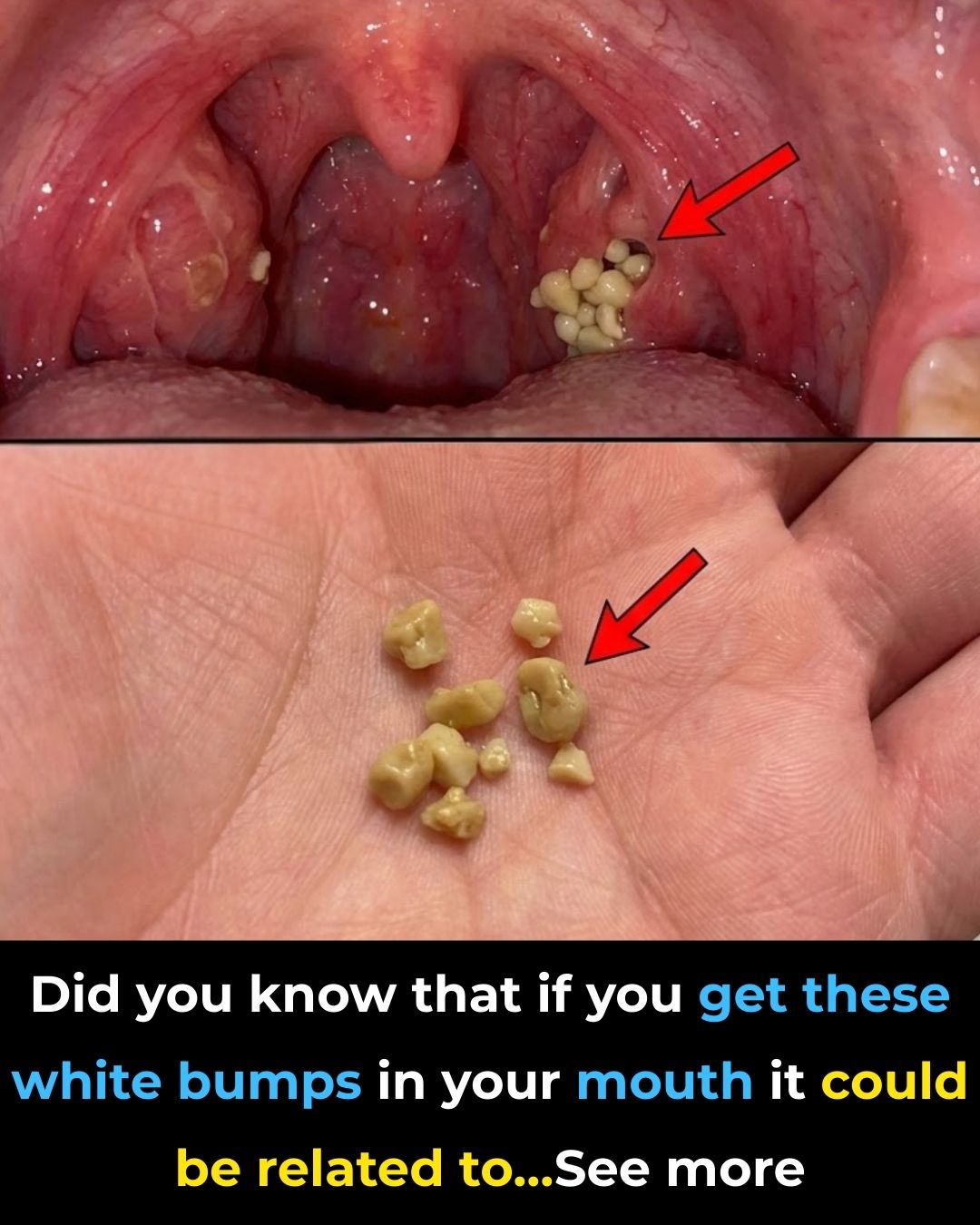
Tonsil stones, sometimes called tonsilloliths, are small formations that can develop in the tonsils. They occur when tiny particles such as food debris, bacteria, and dead cells collect in the natural folds of the tonsils. Over time, this material can harden and form small whitish or yellowish deposits.
Although tonsil stones are usually harmless, they can sometimes lead to discomfort in the throat or cause unpleasant breath. Learning how they form and how to reduce the chances of developing them can help support better oral health.
What Causes Tonsil Stones?
The tonsils contain small crevices known as crypts. These spaces can trap particles like food residue, mucus, and bacteria. When this material stays in the crypts for a long period, it may gradually harden and turn into tonsil stones.
Some people may be more likely to develop them than others. Individuals with larger tonsils or deeper tonsil crypts may notice them more often. Factors such as inconsistent oral hygiene, frequent throat infections, or ongoing sinus issues may also contribute to their formation.
Possible Signs of Tonsil Stones
Not everyone with tonsil stones experiences noticeable symptoms. However, some people may observe signs such as:
Persistent bad breath caused by bacteria trapped in the tonsils
A feeling that something is stuck in the throat
Mild discomfort or irritation when swallowing
Occasional ear discomfort due to shared nerve pathways between the throat and ears
Redness or swelling around the tonsil area in some cases
If symptoms become persistent or uncomfortable, it may be helpful to consult a healthcare professional.
Habits That May Help Reduce the Risk
Maintaining good oral care habits can help reduce the buildup of particles that contribute to tonsil stones. Helpful practices may include:
Brushing teeth regularly and flossing to remove food particles
Using mouthwash to support overall oral hygiene
Drinking enough water throughout the day to keep the mouth and throat hydrated
Limiting tobacco and alcohol use, which may irritate throat tissues
These habits can contribute to a cleaner oral environment and may help lower the chance of buildup in the tonsils.
Ways People Sometimes Manage Tonsil Stones
When tonsil stones appear, some individuals find relief with simple home care approaches. Gargling with warm salt water may help loosen small stones and soothe throat irritation. Staying hydrated can also help maintain moisture in the throat and reduce buildup.
Some people carefully use oral irrigators designed for dental care to gently rinse the tonsil area. Others may use a soft cotton swab with caution to dislodge small stones. If stones are large, painful, or frequently recurring, a healthcare professional can evaluate the situation and recommend appropriate options.
In rare situations where tonsil stones cause ongoing problems, a medical provider may discuss further treatments.
Final Thoughts
Tonsil stones are fairly common and typically not a serious health concern. However, they can be uncomfortable and may affect breath and throat comfort. Practicing consistent oral hygiene and paying attention to throat health can help reduce the likelihood of their formation.
If symptoms become persistent, painful, or difficult to manage, consulting a qualified healthcare professional is the best way to receive safe and appropriate guidance.