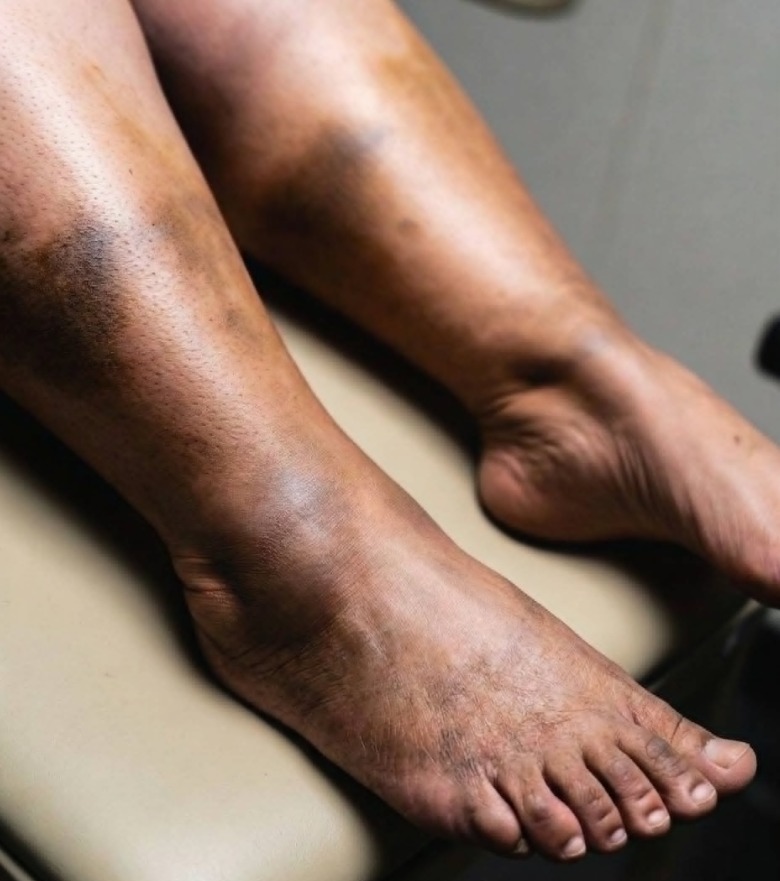
Stasis dermatitis is a common skin condition linked to poor blood circulation, especially in the lower legs. While it can develop gradually, recognizing the early signs and understanding how to manage it can make a meaningful difference in maintaining healthy skin and overall comfort.
What Is Stasis Dermatitis?
Stasis dermatitis develops when blood flow in the veins, particularly in the legs, does not work efficiently. This can lead to fluid buildup under the skin, causing irritation and visible changes that tend to worsen over time if not addressed.
Common Symptoms to Watch For
This condition often begins with subtle changes in the skin. Many people notice discoloration that may appear reddish or brownish, along with persistent itching and dryness. The skin can become scaly and irritated, and swelling in the lower legs is also common. Some individuals describe a feeling of heaviness or dull aching, especially after standing for long periods.
As the condition progresses, the skin may gradually thicken and harden. In more advanced stages, the surface can break down, leading to the formation of open sores, usually around the ankles.
What Causes It?
The main underlying cause of stasis dermatitis is venous insufficiency, a condition in which the veins have difficulty sending blood back to the heart. Normally, small valves inside the veins keep blood moving in the right direction. When these valves weaken, blood can flow backward and collect in the lower legs, increasing pressure and affecting the surrounding skin.
Other contributing factors may include visible vein issues such as varicose veins, certain heart conditions that affect circulation, previous injuries or surgeries involving the legs, and blood clots that disrupt normal blood flow.
Who Is at Risk?
The likelihood of developing stasis dermatitis increases with age, particularly after 50. It is also more common in individuals who are less physically active or who spend long periods sitting or standing without movement. Excess body weight can add additional strain on the circulatory system, further increasing risk. While the condition can affect anyone, women tend to be slightly more affected.
When to Seek Medical Advice
It is important to consult a healthcare professional if you notice ongoing swelling in your legs, discomfort or tenderness, skin redness or warmth, or the appearance of open sores. These signs may indicate that the condition is progressing or that an infection could be developing.
How Is It Diagnosed?
Diagnosis usually begins with a physical examination, during which a doctor evaluates the appearance of the skin and checks for signs of poor circulation. In some cases, additional tests such as an ultrasound may be recommended to better understand how blood is flowing through the veins.
Treatment and Home Care Tips
Managing stasis dermatitis often involves improving circulation and protecting the skin from further irritation. Elevating the legs while sitting can help reduce swelling, and avoiding long periods of standing or sitting is also beneficial. Wearing compression stockings, when recommended by a healthcare provider, can support proper blood flow. Choosing loose and comfortable clothing can help prevent additional irritation to sensitive skin.
Doctors may also prescribe medicated creams or treatments depending on how severe the symptoms are and whether there are signs of infection.
Possible Complications
If left untreated, stasis dermatitis can lead to more serious health concerns. The skin may develop chronic ulcers that are slow to heal, and infections can occur more easily. In some cases, long-term scarring may develop as the condition progresses.
Can It Be Prevented?
Although it may not always be fully preventable, especially when linked to underlying health conditions, certain habits can help reduce the risk. Staying physically active supports better circulation, while maintaining a healthy weight reduces strain on the veins. Limiting salt intake may help control swelling, and regularly moving throughout the day can prevent blood from pooling in the legs.
Final Thoughts
Stasis dermatitis is a manageable condition when identified early and treated consistently. Understanding the causes and paying attention to changes in your skin can help you take the right steps toward better circulation and long-term skin health. If symptoms appear or worsen, seeking medical advice can help prevent complications and improve outcomes.