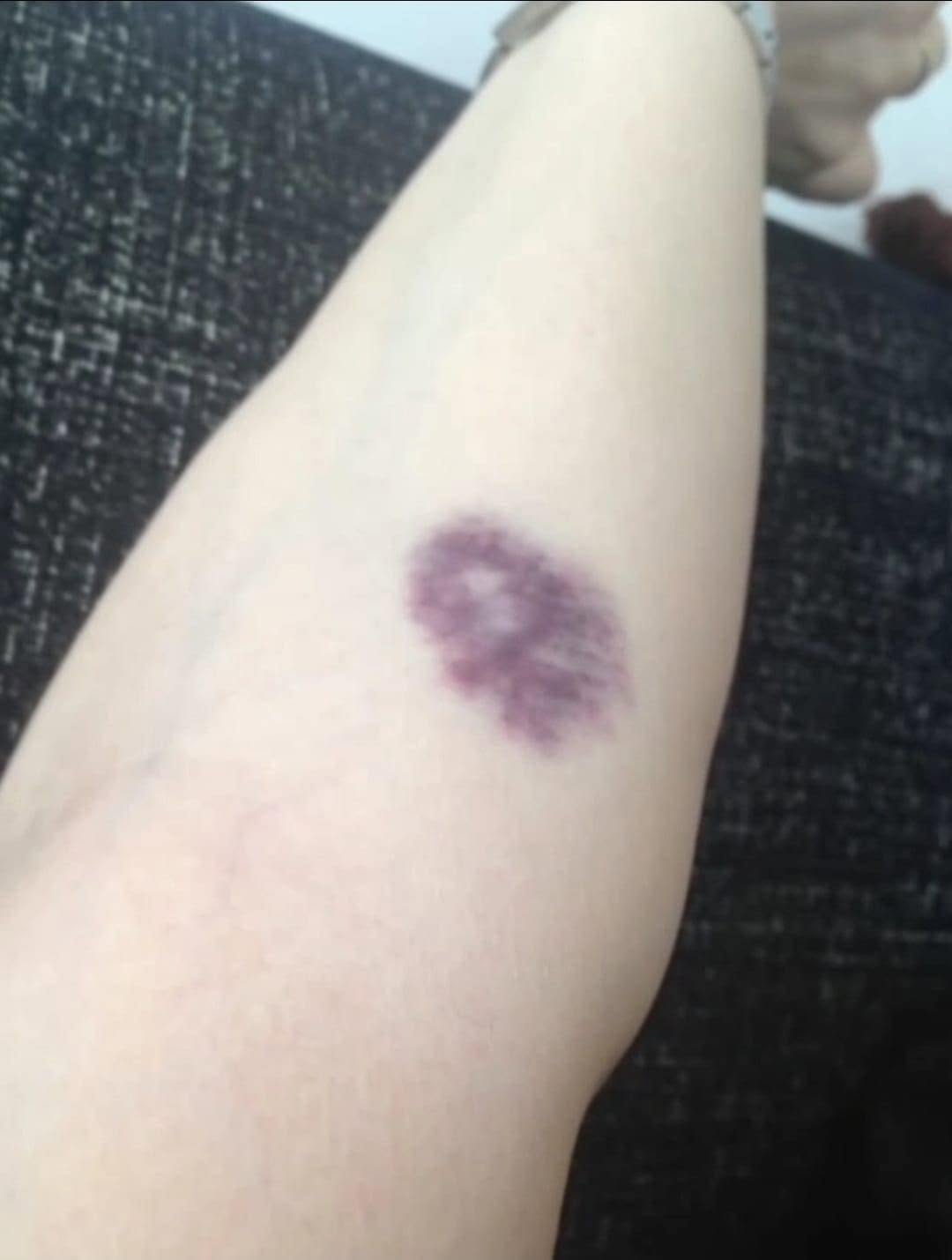
Understanding Unexplained Bruising: When Should You Pay Attention?
Bruises are a common part of life and often occur after minor bumps or injuries. In many cases, they are harmless and fade naturally over time. However, bruises that appear frequently or without a clear cause may sometimes indicate that the body needs additional attention.
Most of us have looked down at our arm or leg and wondered, "Where did that come from?" This guide explains why bruises happen, what makes some people bruise more easily, and when it's worth talking to a healthcare professional.
Why Do Bruises Occur?
Bruises develop when small blood vessels beneath the skin become damaged, allowing blood to collect in surrounding tissues. The familiar black-and-blue mark is simply trapped blood visible through the skin. As the body breaks down and reabsorbs that blood, the bruise changes color, from dark purple to green to yellow, before fading completely.
This can happen after an injury, but certain factors may also make some people bruise more easily. As people age, the skin becomes thinner and blood vessels may become more fragile. This can increase the likelihood of bruising, even after minor contact that may go unnoticed. That's why older adults often find mysterious bruises: the bump that caused them was so minor it wasn't even registered.
Common Causes of Easy Bruising
Several everyday factors can contribute to frequent bruising:
- Aging skin and natural changes in blood vessels. Thinner skin and more fragile capillaries mean less protection against minor impacts.
- Certain medications that affect blood clotting. Blood thinners, aspirin, and some anti-inflammatory drugs may make bruising more noticeable. These medications are often essential, so never stop them without medical guidance.
- Nutritional deficiencies. Low levels of nutrients such as vitamin C, vitamin K, or iron can affect blood vessel strength and the body's ability to clot properly. A balanced diet usually provides enough, but deficiencies can develop.
- Minor injuries that may not be remembered. Active people, especially those who play sports or do physical work, accumulate small bumps they never notice at the time.
- Increased physical activity. More movement means more opportunities for minor vessel damage, particularly in contact sports or physically demanding jobs.
- Sun damage. Years of sun exposure can weaken blood vessel walls, especially on the arms and hands, leading to easier bruising in those areas.
The Role of Overall Health
The liver plays an important role in producing proteins involved in blood clotting. When liver function is affected, bruising may become more common. This is one reason healthcare providers take new or worsening bruising seriously in patients with liver conditions.
Certain blood disorders can also influence the body's ability to stop bleeding efficiently. Conditions affecting platelets or clotting factors can manifest as easy bruising, sometimes accompanied by other bleeding symptoms.
In some cases, easy bruising may occur alongside symptoms such as frequent nosebleeds, prolonged bleeding from minor cuts, or unusual fatigue. Although uncommon, persistent bruising can occasionally be associated with more serious medical conditions. However, bruising alone does not indicate a specific illness, and many causes are manageable or temporary.
When to Consider Medical Advice
It may be helpful to speak with a healthcare professional if:
- Bruises appear frequently without a known injury
- Bruises become unusually large or painful
- Bruising occurs alongside unusual bleeding, such as frequent nosebleeds or bleeding gums
- Bruises are accompanied by symptoms such as fatigue, frequent infections, unexplained weight changes, or worsening bruising over time
- You notice a sudden change in your bruising pattern
A healthcare provider may recommend tests or evaluations to determine whether an underlying condition is contributing to these symptoms. Simple blood tests can check platelet counts, clotting function, and nutrient levels, often providing quick reassurance or identifying treatable causes.
Don't feel embarrassed about asking. Healthcare providers would much rather evaluate harmless bruising than miss something that needed attention. Trust your instincts: if something feels different about your body, it's worth mentioning.
Can Easy Bruising Be Treated?
Many causes of easy bruising can be addressed once identified. Improving nutrition, adjusting medications under medical supervision, or treating underlying health conditions may help reduce bruising.
Practical steps that support healthy blood vessels and clotting include:
- Maintaining a balanced diet rich in vitamin C (citrus, berries, peppers), vitamin K (leafy greens), and iron (lean meats, beans, spinach).
- Staying physically active to support circulation and overall vascular health.
- Protecting your skin from excessive sun exposure, which weakens vessel walls over time.
- Reviewing medications with your doctor or pharmacist to understand which ones affect bruising and whether alternatives exist.
- Attending regular medical checkups so changes in bruising patterns are noticed and evaluated promptly.
Final Thoughts
Most bruises are harmless and heal naturally. However, paying attention to changes in your body is important. If bruising occurs frequently or is accompanied by other concerning symptoms, consulting a healthcare professional can help provide answers and appropriate care.
Your body is constantly communicating with you. Learning to listen, without panicking and without dismissing, is one of the most valuable health skills you can develop.
This article is intended for informational purposes only and should not replace professional medical advice, diagnosis, or treatment.
Frequently Asked Questions
Why do I bruise easily as I get older?
Aging skin becomes thinner and blood vessels more fragile, so minor bumps that wouldn't have marked younger skin now cause visible bruising. Sun damage over the years also weakens vessel walls.
Which medications cause easy bruising?
Blood thinners, aspirin, and some anti-inflammatory drugs can increase bruising by affecting clotting. Never stop prescribed medications without consulting your doctor; discuss concerns with your healthcare provider.
Can vitamin deficiencies cause bruising?
Yes. Low levels of vitamin C, vitamin K, or iron can weaken blood vessels or impair clotting. A balanced diet usually prevents this, but deficiencies can occur and are treatable once identified.
When should I see a doctor about bruising?
See a healthcare professional if bruises appear frequently without known injury, are unusually large or painful, occur with other bleeding symptoms, or come with fatigue, infections, or unexplained weight changes.
How can I reduce easy bruising?
Eat a nutrient-rich diet, stay active, protect skin from sun damage, review medications with your doctor, and keep up with regular checkups. Many causes of easy bruising are manageable once identified.