In many cities today, the distance between stability and displacement has become alarmingly small. Rent prices continue to rise. Affordable housing remains limited. Support systems that once provided a safety net are often stretched thin. For some individuals and families, one unexpected expense or lost paycheck can shift life dramatically.
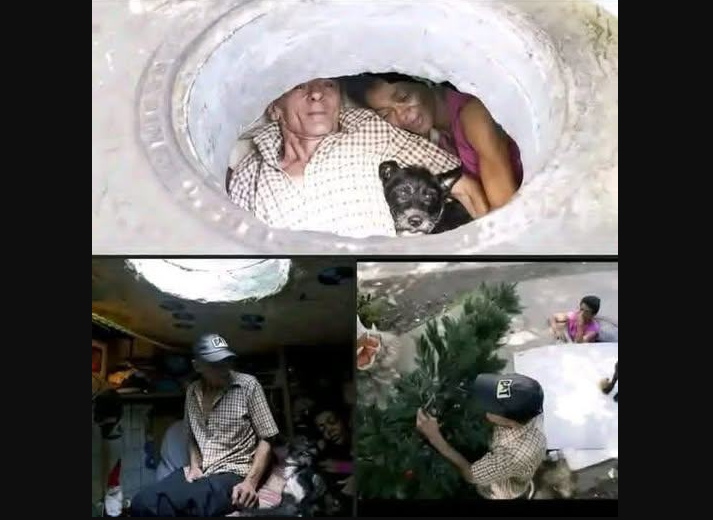
For one couple and their dog, shelter has taken the form of a large concrete drainage pipe. This was not a decision based on comfort or preference. It was a response to immediate need.
From the outside, the pipe appears to be leftover construction material, resting on a patch of ground with little significance. Few would imagine that someone calls it home. Yet inside, a different reality unfolds. A mattress rests against the curved interior wall. Personal belongings are arranged with intention. Small items hint at routine — clothing folded neatly, a bag tucked into the corner, perhaps a flashlight or water container within reach.
The space is narrow. The concrete offers only partial protection from wind and rain. When temperatures drop, the cold settles quickly. When heat rises, the air inside can become heavy and still. Even so, in the absence of traditional housing, minimal shelter becomes meaningful. It provides a place to lie down, to store possessions, and to pause from the unpredictability of the outside world.
Their dog plays a central role in this fragile environment. Pets often offer emotional stability during uncertain times. A dog brings companionship and routine. Feeding, walking, and caring for an animal creates structure in days that might otherwise feel directionless. That connection can preserve a sense of dignity and purpose when circumstances feel overwhelming.
Living in such conditions involves constant challenges. Privacy is limited. Access to clean water and sanitation may require long walks or careful planning. Exposure to weather remains a concern, especially during heavy rain or extreme temperatures. Flooding presents a serious risk in drainage areas. What might begin as a temporary solution can slowly stretch into weeks or months.
Scenes like this reflect a larger issue affecting many communities. Housing insecurity often stems from economic pressures rather than personal failure. Medical bills, job loss, reduced work hours, rising rent, family breakdown, and gaps in public support systems can all contribute. The path toward displacement is rarely simple.
Despite the hardship, resilience remains visible. The careful organization of a small living space demonstrates effort and care. The continued partnership between two people navigating adversity shows mutual support. The presence of their dog reflects commitment and compassion. Daily routines, even in limited conditions, help preserve stability.
Housing represents more than walls and a roof. It provides safety, privacy, and the ability to plan for the future. Without it, each day can revolve around immediate survival rather than long-term goals. The absence of secure shelter affects physical health, mental well-being, and opportunities for employment or education.
At the same time, stories like this remind observers that homelessness does not erase humanity. Behind every improvised shelter stands a person with history, relationships, and aspirations. Compassion and understanding are essential.
Addressing housing insecurity requires coordinated community efforts. Expanding affordable housing options, strengthening rental assistance programs, increasing access to healthcare and mental health services, and creating stable employment opportunities can reduce the risk of displacement. Supportive services that help individuals transition back into permanent housing also play a critical role.
The image of a couple living inside a concrete pipe challenges assumptions. It reveals how quickly circumstances can change and how creativity becomes a survival tool when options narrow. It also highlights the importance of collective responsibility.
Sustainable solutions involve policy decisions, community partnerships, and recognition of human dignity. Every person deserves a safe place to sleep and the opportunity to rebuild stability. Behind each makeshift shelter is a story that calls for empathy and practical action.