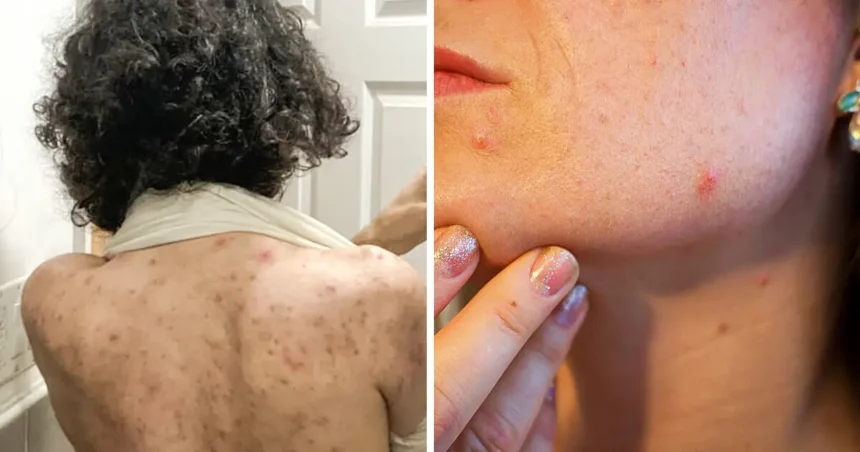
Acne can sometimes feel random, but in many cases, it follows patterns. Where breakouts appear may offer clues about daily habits, product choices, or internal factors like hormones and stress. While acne does not always signal a serious health issue, understanding common triggers can help you make small adjustments that support clearer, healthier-looking skin.
Here’s a closer look at eight common breakout areas and what may be contributing to them.
1. Cheeks
Breakouts on the cheeks are very common. One overlooked factor is frequent phone use. Phones collect dirt, oil, and bacteria throughout the day, and pressing them against your skin can transfer that buildup directly onto your face. Friction adds to the problem by irritating pores.
Other everyday items may contribute as well. Pillowcases, sheets, and blankets absorb oils and debris over time, especially if they are not washed regularly. While hormones can play a role, simple lifestyle habits are often a major factor.
Helpful tips:
-
Clean your phone regularly.
-
Avoid placing your phone on unclean surfaces.
-
Wash pillowcases and bedding at least once a week.
2. Forehead
The forehead tends to produce more oil, which makes clogged pores more likely. Hair can also influence breakouts in this area. Oily hair resting against the forehead may leave residue behind, especially when styling products are involved.
Certain hair products—such as heavy gels, pomades, or waxes—contain rich ingredients that can block pores if they come into contact with the skin.
Helpful tips:
-
Use a gentle cleanser suited to your skin type.
-
Consider switching to lightweight, non-greasy hair products.
-
Keep hair away from your face when possible.
3. Back
Back acne, often called “bacne,” develops for many of the same reasons as facial acne: oil buildup, clogged pores, sweat, and irritation. Tight clothing, dirty sheets, and damp workout gear can trap moisture and bacteria against the skin.
Some body lotions, sunscreens, or fragranced products may also contribute to clogged pores, especially for those with sensitive skin.
Helpful tips:
-
Shower after sweating.
-
Wear breathable fabrics.
-
Wash workout clothing promptly after use.
If breakouts persist, stress levels, diet, and supplements may also be worth reviewing, as stress-related hormonal changes can increase inflammation.
4. Nose
The nose has larger pores compared to other parts of the face, which makes it more prone to blackheads and breakouts. Oil, dirt, and debris can collect easily in this area.
Stress, certain medications, and diet may also influence nose breakouts, but daily cleansing habits are often the most significant factor.
Helpful tips:
-
Cleanse gently but consistently.
-
Use non-comedogenic products.
-
Avoid harsh scrubbing, which can worsen irritation.
If acne on the nose becomes painful or frequent, consulting a dermatologist is a good step.
5. Around the Mouth
The skin around the mouth is sensitive and often exposed to friction and repeated contact. Phones, musical instruments, helmet straps, and even resting your hand on your face can introduce bacteria and irritation.
Hormonal shifts and reactions to skincare or cosmetic products can also trigger breakouts in this area.
Helpful tips:
-
Choose fragrance-free, non-comedogenic products.
-
Avoid touching your face frequently.
-
Remove makeup thoroughly at the end of the day.
Persistent breakouts may benefit from professional advice.
6. Legs
Leg acne forms when hair follicles become blocked with oil, bacteria, and dead skin cells. Tight clothing or athletic gear can increase friction and trap sweat.
Sometimes, what appears to be acne may actually be other conditions like folliculitis or keratosis pilaris, so identifying the cause is important.
Helpful tips:
-
Wear loose, breathable clothing.
-
Shower after sweating.
-
Avoid overly harsh exfoliation.
If the area becomes very itchy, painful, or spreads, it’s best to consult a healthcare professional.
7. Jaw and Neck
Breakouts along the jawline and neck are often linked to hormonal fluctuations. Changes during menstrual cycles, stress, or medication adjustments can increase oil production in these areas.
Helpful tips:
-
Maintain a consistent skincare routine.
-
Use non-comedogenic cleansers and moisturizers.
-
Apply sunscreen daily to protect sensitive skin.
If hormonal acne becomes severe or persistent, a dermatologist can suggest tailored treatment options.
8. Shoulders
Shoulder acne commonly develops when sweat, oil, and debris remain on the skin for extended periods. Friction from tight clothing or backpack straps can also irritate pores.
Helpful tips:
-
Stay hydrated.
-
Wear breathable fabrics.
-
Shower after physical activity.
-
Use lightweight, non-clogging moisturizers with sun protection.