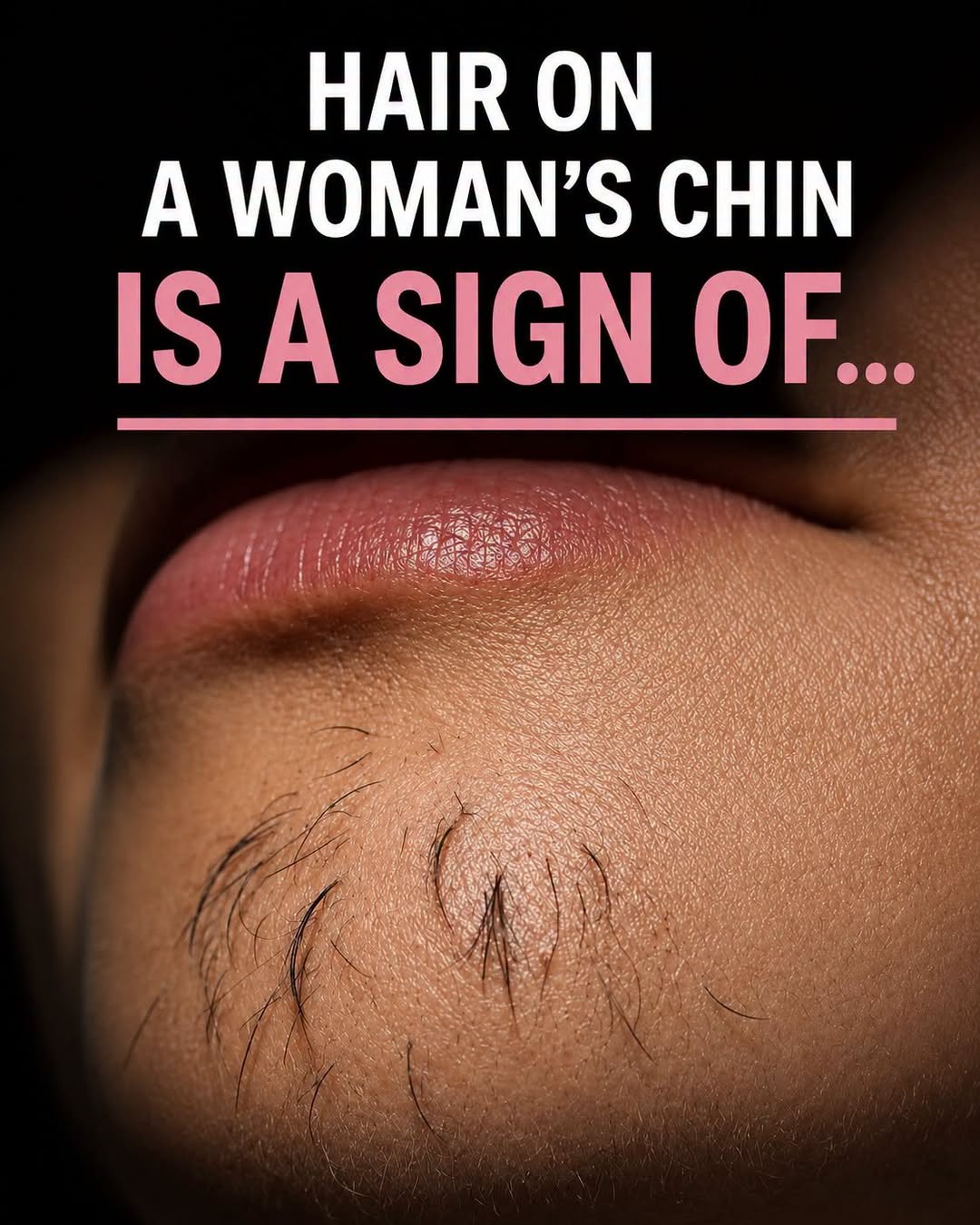
Discovering a few coarse hairs on your chin can be unexpected, but it is a common experience for many women. In most cases, chin hair is a natural result of hormonal changes, genetics, or aging. While it can occasionally be linked to an underlying health condition, it is often a normal part of the body’s natural processes.
Women naturally produce small amounts of androgens, including testosterone. These hormones play an important role in overall health, but even slight changes in hormone levels or increased sensitivity of hair follicles can lead to the growth of darker or thicker hair on the chin, jawline, or upper lip.
Hormonal changes are among the most common reasons for facial hair growth. As women get older, especially during and after menopause, estrogen levels decrease while androgen levels remain relatively stable. This shift can make facial hair more noticeable, even if it was never a concern before. Pregnancy and other hormonal changes may also temporarily affect hair growth.
Genetics can also play a major role. If your mother, grandmother, or other close relatives experienced chin hair, there is a greater chance that you may develop it as well. In many cases, this inherited trait is completely normal and does not require medical treatment.
In some situations, excessive facial hair may be associated with hormonal conditions such as polycystic ovary syndrome (PCOS). Women with PCOS may also experience irregular menstrual cycles, acne, weight gain, or difficulty losing weight. When these symptoms occur together, it is a good idea to consult a healthcare professional for proper evaluation.
Certain medications can also influence hormone levels and contribute to facial hair growth. In addition, long-term stress may affect hormone balance, although it is usually not the only cause of increased chin hair.
The pattern of hair growth is important to consider. A few isolated hairs that appear gradually over time are generally harmless. However, if facial hair develops suddenly, grows rapidly, or is accompanied by symptoms such as a deeper voice, hair thinning on the scalp, or changes in muscle mass, medical advice is recommended to identify the cause.
For women who prefer to remove chin hair, there are several safe and effective options available. Tweezing, waxing, threading, shaving, and laser hair removal are among the most popular methods. For persistent or excessive hair growth related to hormone imbalance, a healthcare provider may recommend additional treatments.
In most cases, chin hair is simply a natural variation that comes with age, genetics, or normal hormonal fluctuations. Understanding the possible causes can help reduce unnecessary worry and make it easier to determine when medical guidance may be helpful.