
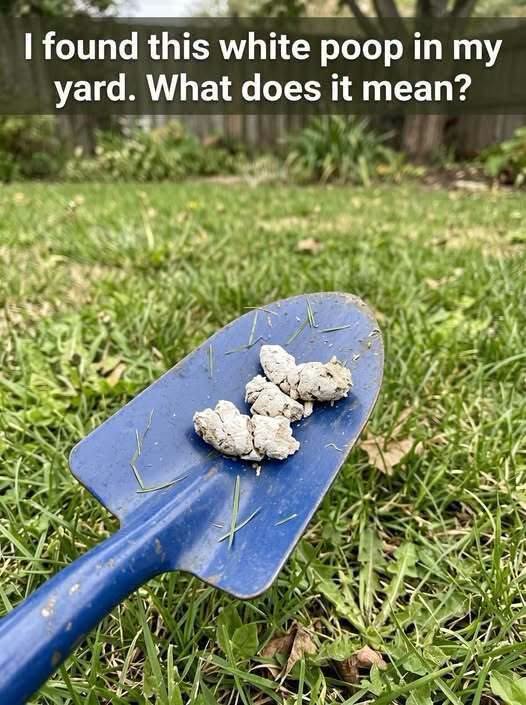
Why Does Your Dog Have White Poop? Common Causes and When to Call the Vet
Noticing that your dog's poop has turned white or very pale can be surprising. While it isn't always a sign of a serious problem, changes in stool color shouldn't be ignored. A dog's stool can provide helpful information about its digestive system, diet, and overall health. Knowing what white or pale stool might mean, and when it warrants a call to your veterinarian, helps you take better care of your dog.
What Gives Dog Poop Its Normal Color
Healthy dog stool is usually some shade of brown, from light tan to dark chocolate. That brown color comes largely from bile, a digestive fluid produced by the liver and stored in the gallbladder. As food moves through the intestines, bile pigments mix in and give stool its familiar color.
When something interferes with bile production or flow, or when the diet itself is unusually pale, stool color can change. White, chalky, or clay-colored stool is one of the more noticeable changes, and it has a handful of common explanations.
The Most Common Cause: Too Much Bone in the Diet
One of the most common reasons for white or chalky stool is a diet that contains too much bone. Dogs that regularly eat raw bones, bone meal, or foods with a high bone content may produce dry, crumbly, white stools.
This happens because bone is rich in calcium. When a dog eats more bone than its digestive system can handle, the excess calcium passes through and lightens the stool, giving it a pale, chalky appearance and a dry, crumbly texture.
Although this is often linked to diet, eating excessive amounts of bone can sometimes lead to constipation or digestive discomfort. In more severe cases, it may increase the risk of intestinal blockage, especially with cooked bones, which can splinter. If your dog's white stool coincides with a bone-heavy diet or a recent bone treat, diet is the most likely explanation, but it is still worth mentioning to your vet.
Liver, Gallbladder, and Pancreas Problems
Another possible cause is a condition affecting the liver, gallbladder, or pancreas. These organs help produce and transport bile, which gives stool its normal brown color. If bile production or flow is reduced, the stool may become pale or clay-colored.
Several conditions can interfere with bile flow:
- Liver disease, which reduces bile production
- Gallbladder problems, including blockages or inflammation
- Pancreatic disorders, which can affect digestion more broadly
- Blocked bile ducts, which prevent bile from reaching the intestines
Pale or clay-colored stool caused by bile problems tends to look different from bone-related white stool. It is often soft or greasy rather than dry and chalky, and it may come with other symptoms like yellowing of the eyes or gums (jaundice), vomiting, or lethargy. These signs always deserve prompt veterinary attention.
Medications and Medical Procedures
Certain medications or medical imaging procedures that use special contrast materials can also temporarily affect stool color. Barium, used in some digestive imaging studies, can turn stool white or very pale for a day or two after the procedure. Some antacids and other medications can lighten stool as well.
If your dog recently had X-rays with contrast, started a new medication, or received a supplement, check whether stool color changes are a known side effect. This kind of change is usually temporary and resolves once the substance clears the system, but confirm with your vet if you are unsure.
Infections, Parasites, and Foreign Material
Digestive infections or intestinal parasites may also contribute to unusual stool appearance, although these are less common causes of white stool specifically. Eating non-food items, paper, chalk, or other pale materials, can also lighten stool color temporarily. Dogs are famously indiscriminate eaters, so consider whether your dog may have gotten into something unusual.
Red Flags: When White Poop Needs a Vet Visit
Because several different health conditions can lead to pale stool, it's important to consider any other changes your dog may be experiencing. Keep an eye on your dog's behavior and overall health. Think about whether you've recently changed its food, introduced new treats, started any medications, or allowed access to bones or unusual objects.
Contact your veterinarian promptly if you notice any of the following along with white or pale stool:
- Vomiting or diarrhea
- Reduced appetite or refusing food
- Lethargy, weakness, or unusual tiredness
- Bloating or a distended belly
- Abdominal pain or discomfort (whimpering, restlessness, hunched posture)
- Blood in the stool
- Straining or difficulty passing stool
- Yellowing of the eyes, gums, or skin
- White stool that persists for more than one or two bowel movements
A single pale stool after a bone treat, in an otherwise happy and energetic dog, is often nothing to worry about. Persistent paleness, or paleness paired with any symptom above, is a different story.
What the Vet Will Do
If you bring your dog in for pale stool, a veterinary examination may include a physical checkup, stool analysis, blood tests, or imaging to determine the underlying cause. Blood work can reveal liver or pancreatic problems, while X-rays or ultrasound can show blockages or gallbladder issues. A stool sample analysis can detect parasites or infections.
Early diagnosis can help identify whether the issue is related to diet or a medical condition that requires treatment. The sooner a liver, gallbladder, or blockage problem is found, the better the outcome tends to be.
Supporting Your Dog's Digestive Health
Supporting your dog's digestive health starts with a balanced, complete diet appropriate for their age, size, and activity level. A few practical habits help keep things normal:
- Feed bones cautiously. If you give bones, choose raw bones sized appropriately for your dog, supervise chewing, and limit frequency. Avoid cooked bones, which splinter more easily.
- Transition foods gradually. Sudden diet changes upset digestion. Mix new food with old over 7 to 10 days.
- Keep a consistent routine. Regular feeding times and regular walks support regular digestion.
- Watch what they scavenge. On walks and in the yard, keep an eye out for trash, foreign objects, and unknown substances.
- Know your dog's normal. Paying attention to what's typical for your dog, color, consistency, frequency, makes it much easier to spot real changes early.
How You Can Help
Beyond your own dog, you can help dogs everywhere live healthier lives:
- Adopt: Shelter dogs of all ages need homes, and many arrive with unknown dietary histories. A stable, balanced diet in a loving home transforms their health.
- Foster: Fostering gives rescue dogs a calm place to recover from digestive issues, stress, or poor nutrition.
- Donate: Veterinary care is expensive. Donations to rescues and shelters fund the checkups, blood work, and treatments that keep dogs healthy.
- Volunteer: Shelters always need help, from dog walking to administrative support.
- Spay and neuter: Healthier pet populations start with responsible ownership, and spay/neuter programs reduce shelter overcrowding.
This article is for informational purposes only. If your pet shows concerning symptoms, please consult a licensed veterinarian.

