
Young Mother's Story Highlights the Importance of Maternal Health Care
A Joyful Moment Turned to Heartbreak
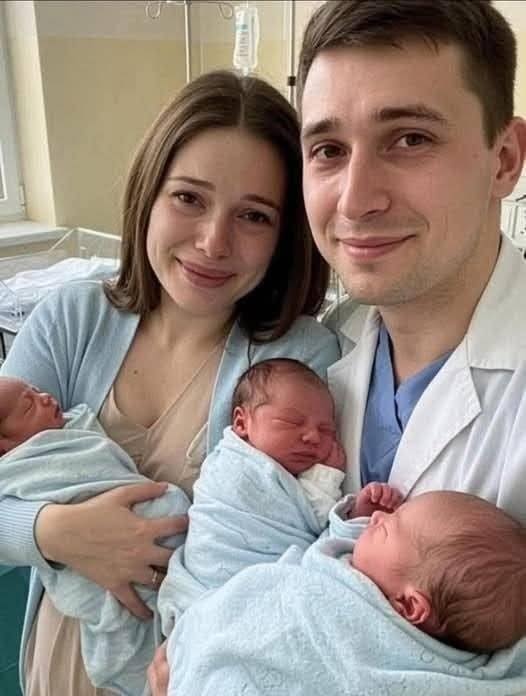
A joyful moment turned into heartbreak for one family after a 19-year-old mother passed away shortly after giving birth to triplets. Her story has touched many people and sparked conversations about the importance of maternal health and postpartum care.
According to relatives, the young mother remained positive and determined throughout her pregnancy, despite facing several physical challenges. Carrying triplets placed additional strain on her body, but loved ones said she stayed focused on safely welcoming her babies into the world.
After a long delivery, she successfully gave birth to three healthy newborns: one boy and two girls. Family members described the moment as emotional and unforgettable, with the new mother expressing happiness and relief as she met her babies for the first time.
Sadly, complications developed the following day. Medical professionals worked to stabilize her condition, but she later passed away due to serious postpartum complications. Her sudden loss deeply affected her family, friends, and members of the local community.
The triplets remain under medical supervision and are receiving proper care. In response to the tragedy, neighbors and community organizations have come together to support the family through donations, baby supplies, and fundraising efforts.
Remembering a Caring Young Woman
Friends remember the young mother as caring, ambitious, and devoted to helping others. She had reportedly hoped to pursue a future in healthcare and was known for her kindness and positive spirit.
There is a painful irony in that detail: a young woman who wanted to care for others' health lost her own life to a gap in the very care she hoped to provide. Her family and community now carry both their grief and a new awareness of how much maternal health care matters, especially in high-risk pregnancies.
Why Multiple Pregnancies Carry Higher Risks
Health experts often remind families that pregnancies involving multiple babies can carry higher medical risks, especially for younger mothers. Understanding these risks is not meant to frighten expectant parents, but to underline why specialized care matters so much.
In general, multiple pregnancies are associated with:
- Greater physical strain. Carrying two or more babies places extra demands on the heart, lungs, kidneys, and musculoskeletal system.
- Higher chance of preterm birth. Multiples are more likely to arrive early, which is why close monitoring of fetal growth and cervical changes is standard.
- Increased risk of high blood pressure and preeclampsia. These conditions can develop quickly and require prompt medical management.
- Greater blood loss at delivery. The uterus stretches more with multiples, which can make it harder for it to contract firmly after birth, raising the risk of postpartum hemorrhage.
- Postpartum complications. The days and weeks after delivery remain a critical window. Serious complications can develop even after a seemingly successful birth, which is why postpartum monitoring is just as important as prenatal care.
Younger mothers may face additional challenges, including less access to specialized care, financial pressure, and less experience recognizing warning signs in their own bodies. Stories like this one help raise awareness that age and access both shape outcomes.
The Critical Role of Prenatal Monitoring
Regular prenatal care is the single most powerful tool for managing a high-risk pregnancy. For multiple pregnancies, care typically includes:
- More frequent checkups and ultrasounds to track each baby's growth and the mother's health.
- Blood pressure and urine monitoring to catch preeclampsia early, when it is most treatable.
- Nutritional guidance, since multiples increase calorie, protein, iron, and folic acid needs.
- A clear delivery plan made with an experienced obstetric team, including where to deliver so that neonatal intensive care is available if needed.
Expectant mothers carrying multiples should ask their providers directly: How often will I be monitored? What warning signs should send me to the hospital immediately? Having clear answers in advance can save lives.
Postpartum Care: The Window That Cannot Be Skipped
The original story carries its hardest lesson here: complications developed the day after delivery. The postpartum period, especially the first days and weeks, is a time of major physical transition. Blood volume shifts, hormones swing, and the body begins healing from birth.
Warning signs after delivery that require immediate medical attention include:
- Heavy bleeding that soaks through pads quickly, or large clots
- Severe headache that does not ease, vision changes, or sudden swelling (possible signs of postpartum preeclampsia)
- Chest pain, difficulty breathing, or a racing heartbeat
- Fever, chills, or foul-smelling discharge (possible infection)
- Severe abdominal pain
- Thoughts of harming yourself or feeling unable to care for the baby
Too many families treat the birth as the finish line. In reality, the finish line is weeks later, after mother and babies have both been checked, rechecked, and cleared.
How Communities Can Support Grieving Families
In this story, neighbors and community organizations stepped in with donations, baby supplies, and fundraising. That response matters enormously, and it offers a model for others:
- Organize practical help first. Meals, baby supplies, and help with appointments relieve immediate pressure.
- Set up transparent fundraising. Medical and funeral costs can overwhelm a family overnight; community collections ease that burden.
- Offer long-term support. Grief does not follow a schedule. Checking in months later, offering childcare, and remembering anniversaries all count.
- Turn grief into awareness. Sharing the importance of maternal health care honors the mother's memory in the most meaningful way possible.
Frequently Asked Questions
Are triplet pregnancies always high risk?
They are considered high risk by definition, which is why they require specialized monitoring. Many multiple pregnancies end with healthy mothers and healthy babies, but the extra surveillance exists because complications are more likely and need to be caught early.
What is the most dangerous period after giving birth?
The first 24 hours carry the highest risk for hemorrhage, but serious complications such as infection, blood clots, and postpartum preeclampsia can develop over the first six weeks. This is why postpartum checkups should never be skipped.
What can families do if specialized care is hard to access?
Ask local clinics about referral programs, community health workers, and maternal health nonprofits. In many regions, organizations exist specifically to connect high-risk mothers with the care they need. Do not assume nothing is available until you have asked.
How can I honor a story like this one?
Share it. Talk about maternal health with the expectant mothers in your life. Support organizations that fund prenatal and postpartum care. Awareness is the first step toward prevention.
Although her life ended far too soon, her memory continues through the lives of her three children and the support shown by those around them. May her story remind every family that maternal health care is not a luxury. It is a necessity.
This article is for informational purposes only and is not medical advice. Please consult a qualified professional.

