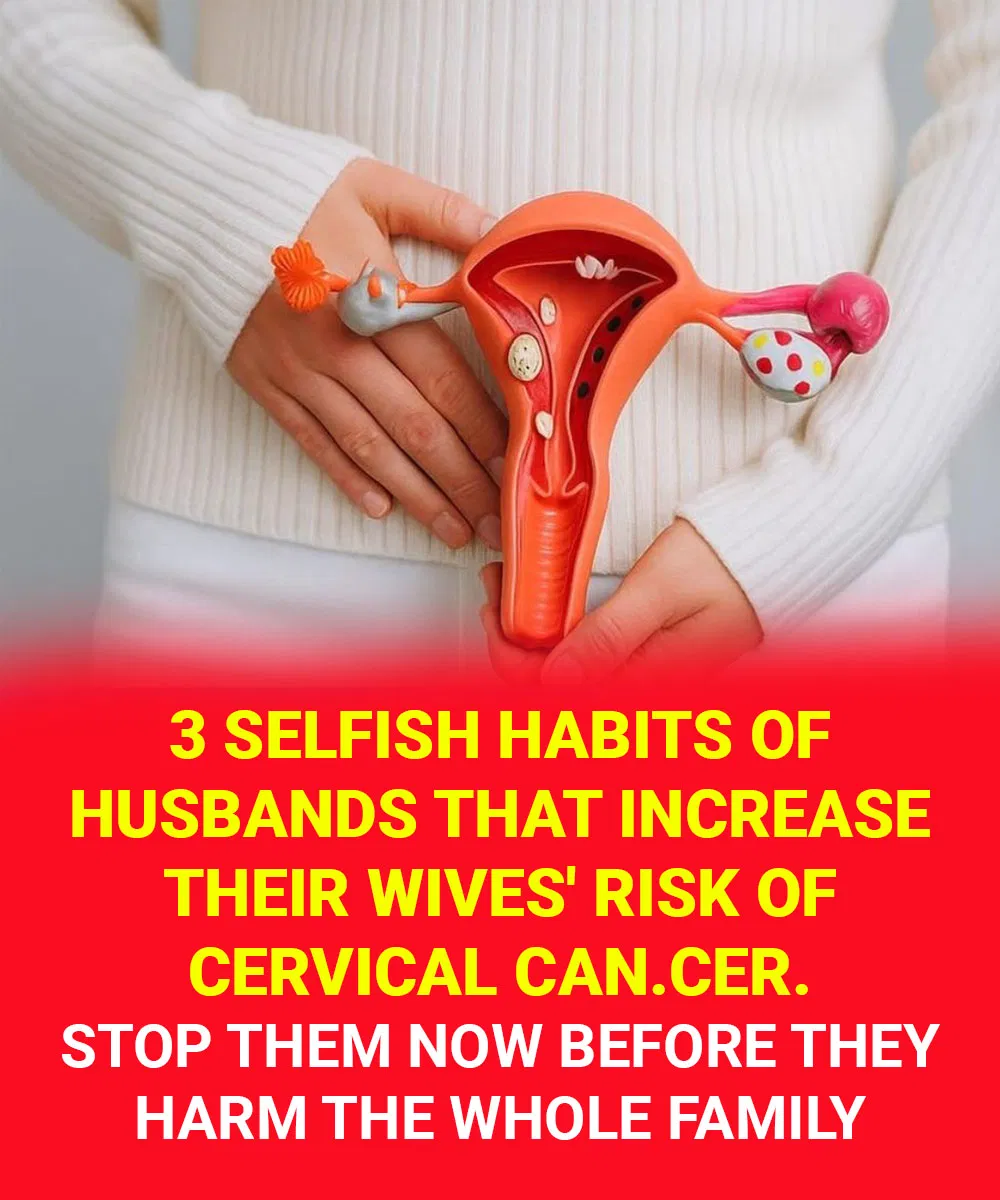
Cervical cancer remains one of the most common gynecological cancers worldwide. While genetics, infections, and access to healthcare all play important roles, everyday lifestyle factors within a household can also influence long-term health outcomes.
In many cases, a partner’s habits — often unintentional — may increase health risks for women. Understanding these behaviors can help couples make informed, supportive choices that protect everyone in the family.
Below are three habits worth paying attention to.
1. Smoking and Regular Exposure to Secondhand Smoke
Smoking is widely known to affect the lungs and heart, but its impact extends beyond the person holding the cigarette. In shared living spaces, secondhand smoke can be difficult to avoid.
Research shows that regular exposure to tobacco smoke may:
-
Weaken the immune system, making it harder for the body to clear infections such as HPV
-
Increase vulnerability to reproductive health complications
-
Raise the risk of several chronic conditions, including respiratory and cardiovascular disease
Because persistent HPV infection is a leading cause of cervical cancer, anything that reduces immune defenses can indirectly increase risk. Creating a smoke-free home environment can make a meaningful difference for everyone’s health.
2. Not Using Barrier Protection During Intimacy
Barrier methods such as condoms play an important role in reducing the transmission of sexually transmitted infections (STIs), including those associated with cervical cancer. When used consistently and correctly, they are highly effective in limiting exposure to HPV.
Some couples rely solely on hormonal contraception. While effective for pregnancy prevention, hormonal methods do not protect against STIs, and long-term use has been associated in some studies with a slightly increased risk of certain cancers.
Balancing pregnancy prevention with infection protection is key. Open communication and shared responsibility help couples choose safer options together.
3. Overlooking Preventive Care and Medical Checkups
Early detection is one of the most powerful tools in preventing serious illness. Regular screenings, such as Pap tests and HPV tests, can identify changes long before cancer develops.
When preventive care is delayed or discouraged — whether due to busy schedules, fear, or lack of support — potential health issues may go unnoticed. Encouragement, understanding, and practical support from a partner can make it easier for women to prioritize routine checkups and follow medical advice.
A Shared Approach to Family Health
Health risks are rarely caused by a single factor. More often, they are shaped by daily habits, shared environments, and mutual support. Small changes — like reducing smoke exposure, practicing safer intimacy, and supporting preventive care — can have lasting benefits.
When partners work together with awareness and respect, they not only protect individual well-being but also strengthen the health and stability of the entire family.