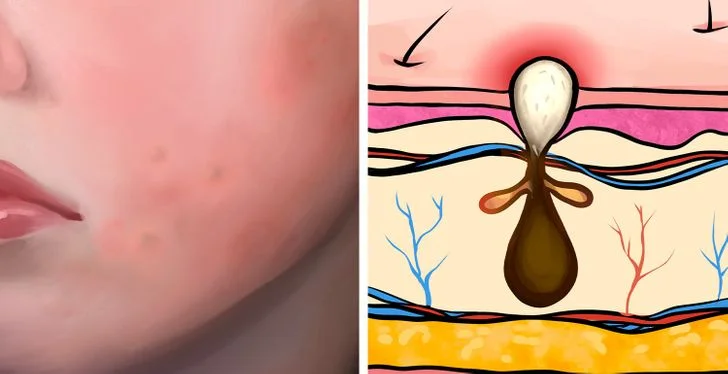
Acne is one of the most common skin concerns worldwide, affecting teenagers and adults alike. While many people use the word “acne” as a general term, it actually includes several different types of blemishes. Each type forms in a specific way and may require a slightly different approach to care.
Dermatologists typically group acne into two main categories: noninflammatory acne, which is usually milder and less painful, and inflammatory acne, which is often red, swollen, and more persistent. Understanding which type you are dealing with can help you make better skincare choices and know when it may be time to seek professional advice.
Whiteheads are a form of noninflammatory acne. They appear as small, flesh-colored or white bumps on the surface of the skin and sometimes have a faint red outline. Whiteheads develop when pores become clogged with oil, also known as sebum, along with dead skin cells and debris. Because the pore stays closed at the surface, the material inside does not react with air. This lack of exposure prevents oxidation, which is why whiteheads remain light in color. They commonly appear on the forehead, nose, chin, chest, shoulders, and back.
Blackheads are also considered noninflammatory acne, but they have a darker appearance. They show up as small dark spots on the skin and may be slightly raised. Contrary to popular belief, blackheads are not caused by dirt. The dark color occurs when a clogged pore remains open and the trapped oil and dead skin cells are exposed to air. This exposure leads to oxidation, which turns the surface darker. Blackheads are most common in areas with higher oil production, such as the nose, cheeks, and chin.
Papules are a type of inflammatory acne. They appear as small, red or pink raised bumps without a visible center. These blemishes form when clogged pores become irritated and bacteria trigger an immune response. The body sends white blood cells to the area to fight the bacteria, which leads to redness and swelling. Papules may feel tender and can last longer than noninflammatory blemishes if not managed carefully.
Pustules, often referred to as pimples, are another form of inflammatory acne. They are usually larger than papules and feature a white or yellow center filled with pus. Unlike whiteheads, pustules involve noticeable inflammation. They form when bacteria inside a clogged pore cause the body to produce pus as part of its natural defense response. Pustules can be sensitive or painful, especially if pressure is applied.
Nodules represent a more severe type of inflammatory acne. They develop deep beneath the surface of the skin and feel hard and painful to the touch. Because they form in deeper layers of skin tissue, nodules often cause noticeable swelling and may not have a visible head. They can take longer to heal and may increase the risk of scarring or dark marks. In many cases, professional medical treatment is recommended.
Cystic acne is considered one of the most severe forms of acne. Cysts are large, soft, and painful lumps that develop deep under the skin. They are often red or swollen and filled with pus. Cystic acne can result from hormonal changes, excessive oil production, bacterial growth, and inflammation. Due to their depth and severity, cysts are more likely to leave scars if not treated properly, making early medical guidance especially important.
Acne can affect people of all ages, not just teenagers. Hormones, genetics, stress, skincare products, and lifestyle factors can all influence breakouts. If acne becomes persistent, painful, widespread, or emotionally distressing, consulting a qualified healthcare professional or dermatologist may provide helpful guidance. Understanding the type of acne you have is an important step toward making informed skincare decisions and supporting healthier-looking skin over time.