I never imagined that a simple DNA test would change the way I understood my life. Like many people, I ordered the test out of casual curiosity. I expected a breakdown of my ancestry, perhaps a map showing where my ancestors once lived, and maybe a few distant relatives whose names I wouldn’t recognize. It felt like a small, harmless experiment—nothing more.
When the results arrived, I opened them without much thought. I remember sitting at my desk, refreshing the page, mildly excited about what I might learn. That excitement faded almost instantly when I noticed a close family match listed at the very top of the report. According to the results, I had a sibling.
At first, I assumed it was a mistake. I refreshed the page, checked the details, and even logged out and back in, hoping the result would somehow disappear. I had grown up believing I was an only child. My family life had always felt complete. My parents were loving, present, and deeply invested in my well-being. There were no whispered secrets, no unexplained absences, and no stories that hinted at anything unusual. The idea that I might have a brother I’d never known simply didn’t make sense.
My childhood was steady and secure. My parents attended school events, celebrated achievements, and supported me through challenges. They created an environment where I always felt valued and protected. On my eighteenth birthday, my father surprised me with a gift I hadn’t asked for—just because he wanted to. Moments like that reinforced my belief that I was lucky and that my family was exactly what it appeared to be. That’s why the DNA results were so unsettling. They didn’t just introduce a new person into my life; they challenged the foundation of everything I thought I knew.
After days of internal debate, I decided to ask my father about the name listed in the DNA report. His reaction was calm but cautious. He didn’t seem angry or shocked, but he also didn’t offer many details. He told me it was complicated and suggested that some things were better left in the past. While his response wasn’t a denial, it left me with more questions than answers. I could sense that there was more to the story, even if he wasn’t ready to share it.
For a while, I tried to let it go. I reminded myself that my parents had given me a good life and that digging into the past might bring more confusion than clarity. But curiosity has a way of resurfacing. Eventually, I reached out to the person identified as my sibling. I wasn’t sure what to say or what kind of response I’d receive. To my surprise, he replied quickly and warmly, as if he had been expecting to hear from me.
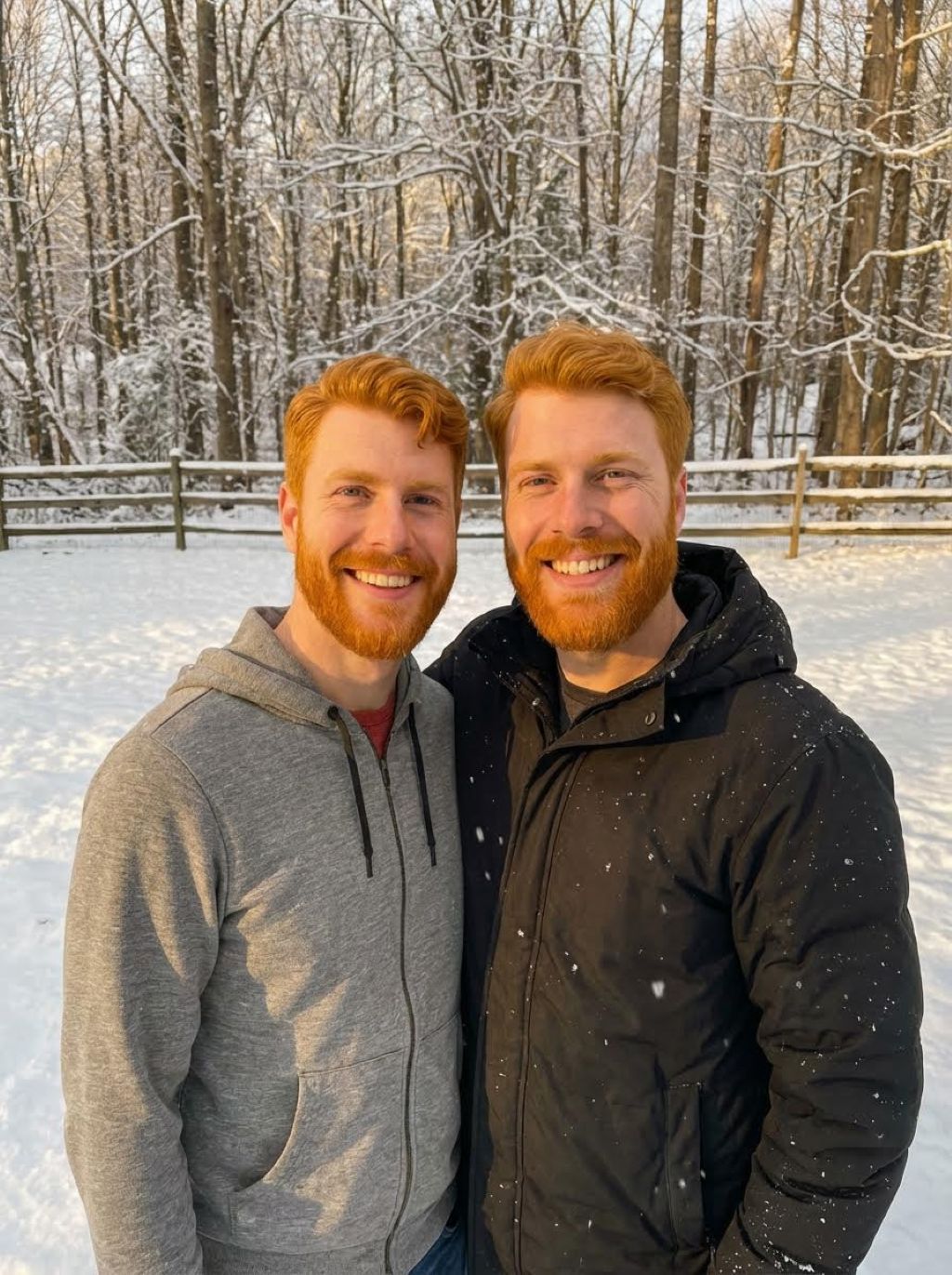
We exchanged a few messages and decided to meet in person. When I saw him for the first time, the resemblance was impossible to ignore. The way he smiled, the shape of his face, even some of his mannerisms felt familiar. Our conversation flowed easily, yet there was an underlying sense of disorientation. He spoke about memories and experiences from a time I couldn’t remember—stories that didn’t align with my understanding of my childhood. Despite my confusion, it was clear he believed what he was saying. He wasn’t trying to convince me of anything; he was simply sharing what he knew.
After that meeting, I felt a strong need to learn more about my own past. I began searching through old documents and records, hoping to piece together a clearer picture. What I found suggested that my early life had been shaped by circumstances I hadn’t been told about—decisions made by adults trying to do what they thought was best at the time. Coming to terms with that realization wasn’t easy. It brought moments of sadness, reflection, and even gratitude for the life I ultimately had.
Over time, I began to see the situation with more balance. While my understanding of my family history had changed, the love and care I received growing up were still real. At the same time, discovering my brother added a new dimension to my life. It gave me a connection I hadn’t known I was missing and an opportunity to better understand myself.
This experience taught me that family stories are often more complex than they appear. Sometimes, the truth unfolds slowly, revealing layers we never expected to uncover. While not every question has been answered, finding my brother helped me move forward with a fuller, more honest understanding of who I am. In the end, the DNA test didn’t take anything away—it simply revealed a story that had been waiting to be told.