For a long time, we believed we understood every part of our daughter’s story. My husband and I were the couple who adopted a child others had passed over, and we built our family on patience, commitment, and care. Life moved forward quietly and predictably—until one unexpected letter arrived decades later and gently reshaped what we thought we knew.
My name is Margaret. In the early years of our marriage, Thomas and I hoped to start a family of our own. After many medical appointments and difficult conversations, we learned that having children naturally would likely not be possible for us. It was a painful realization, but with time, we accepted it and found a new sense of balance in our lives together.
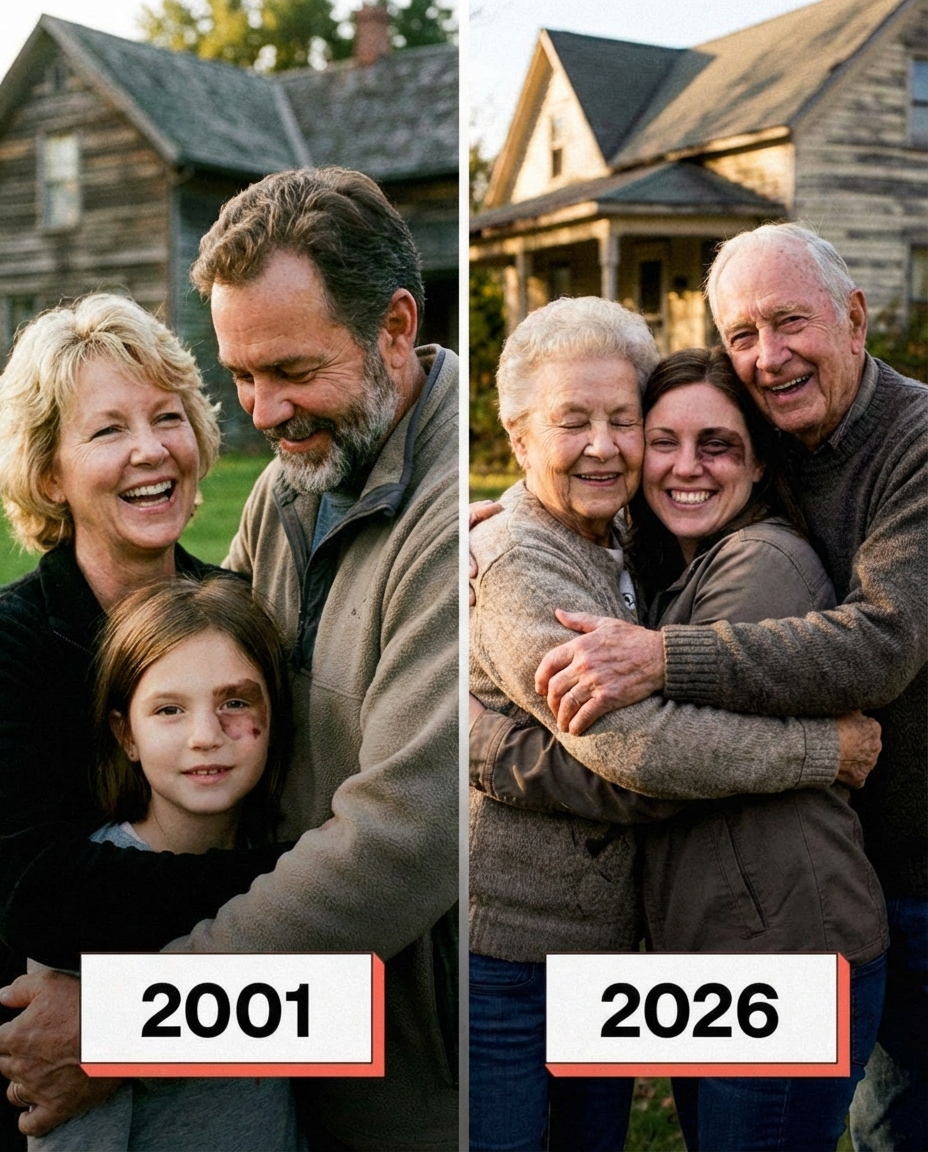
Everything changed when a neighbor mentioned a young girl at a local children’s home who had been waiting for adoption longer than most. She was often overlooked because of a noticeable birthmark on her face. That small detail stayed with us. Soon after, we arranged a visit and met Lily, a quiet five-year-old with observant eyes and a gentle manner that suggested she had learned to be careful around new people.
From the moment Lily joined our home, we understood that love alone would not be enough—she needed consistency, reassurance, and time. She was polite to a fault, often asking permission for even the smallest things. Adjusting to school was challenging, and unkind remarks from others sometimes affected her confidence. Still, with support and encouragement, she gradually became more secure in herself.
We were always open with Lily about her adoption, believing honesty would help her feel grounded and valued. As the years passed, she discovered her strengths, focused on her education, and eventually pursued a career in medicine. Her desire to help others came from a deep understanding of what it means to feel unseen—and how powerful it is to offer care.
Twenty-five years after Lily became part of our family, a handwritten letter arrived from her biological mother. The message shared details we had never known, explaining the difficult circumstances surrounding Lily’s early life. It was not an attempt to change the past, but to acknowledge it.
Meeting her biological mother later on was emotional for everyone involved, but it brought perspective rather than division. Lily gained a clearer understanding of her beginnings and recognized that her life had been shaped by different forms of care at different times.
In the end, our family was not defined by one moment or one decision. It was shaped by understanding, openness, and the willingness to listen. The letter did not change who we were to one another—it simply added depth to a story already built on love.