We Adopted the Child Many Overlooked: Years Later, a Letter Brought New Understanding
For a long time, we believed we understood every part of our daughter's story. My husband and I were the couple who adopted a child others had passed over, and we built our family on patience, commitment, and care. Life moved forward quietly and predictably, until one unexpected letter arrived decades later and gently reshaped what we thought we knew.
The Road to Adoption
My name is Margaret. In the early years of our marriage, Thomas and I hoped to start a family of our own. After many medical appointments and difficult conversations, we learned that having children naturally would likely not be possible for us. It was a painful realization, but with time, we accepted it and found a new sense of balance in our lives together.
Infertility grief is a unique kind of loss. You're mourning children who never existed, a future that will never unfold the way you imagined. Thomas and I had to grieve that future before we could embrace a different one. That process took time, and we didn't rush it. Rushing into adoption as a consolation prize would have been unfair to everyone, especially the child.
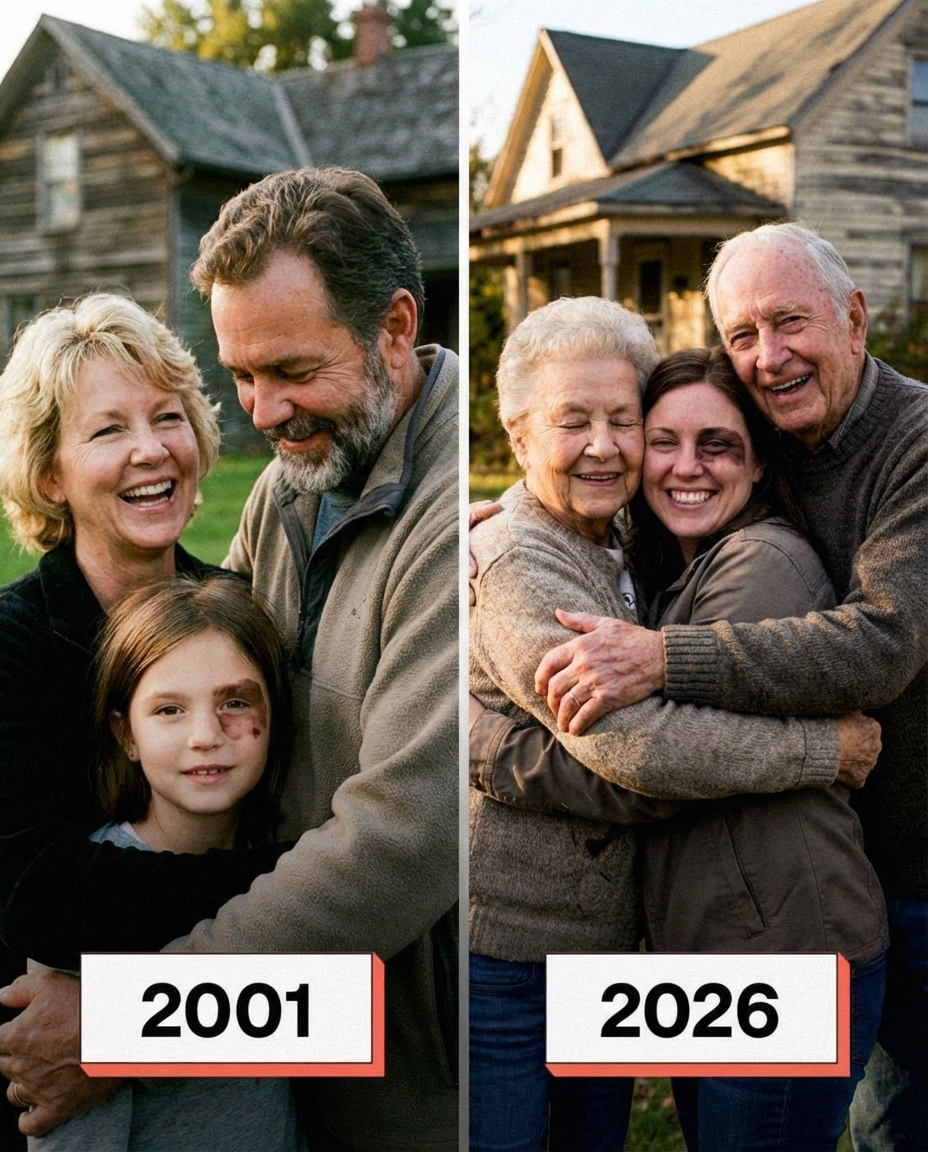
Everything changed when a neighbor mentioned a young girl at a local children's home who had been waiting for adoption longer than most. She was often overlooked because of a noticeable birthmark on her face. That small detail stayed with us.
Meeting Lily
Soon after, we arranged a visit and met Lily, a quiet five-year-old with observant eyes and a gentle manner that suggested she had learned to be careful around new people.
Five years old is already late in adoption terms. The younger the child, the faster they tend to be placed. Add a visible difference like a birthmark, and the wait stretches longer. Prospective parents, often unconsciously, gravitate toward children who look like the babies they imagined. Lily had been waiting while others were chosen, learning early that the world notices surfaces first.
But we saw something else in those observant eyes: a child paying close attention, deciding whether these new adults were safe. Her carefulness wasn't a flaw. It was intelligence, a survival skill developed in circumstances no five-year-old should have to navigate.
The Early Years: Patience Over Promises
From the moment Lily joined our home, we understood that love alone would not be enough. She needed consistency, reassurance, and time. She was polite to a fault, often asking permission for even the smallest things.
That politeness broke our hearts a little. A child who asks permission to get a glass of water is a child who has learned that her needs might be an imposition. Our job wasn't to shower her with grand gestures. It was to be boringly reliable: same routines, same rules, same warmth, day after day, until she internalized that this home wasn't temporary.
Adjusting to school was challenging, and unkind remarks from others sometimes affected her confidence. Children can be cruel about visible differences, and Lily's birthmark made her a target. We couldn't shield her from every comment, but we could make sure home was the place where she was never “the girl with the birthmark,” just Lily.
Still, with support and encouragement, she gradually became more secure in herself. Gradually is the key word. There was no breakthrough moment, no movie scene where everything clicked. Just the slow accumulation of safe days.
Honesty as Foundation
We were always open with Lily about her adoption, believing honesty would help her feel grounded and valued. This was a deliberate choice, and one that adoption experts strongly recommend. Children who grow up with age-appropriate truth about their origins develop healthier identities than those who discover it later as a shock.
As the years passed, she discovered her strengths, focused on her education, and eventually pursued a career in medicine. Her desire to help others came from a deep understanding of what it means to feel unseen, and how powerful it is to offer care. The overlooked child grew into a woman who made sure others were seen. There is a beautiful symmetry in that.
The Letter
Twenty-five years after Lily became part of our family, a handwritten letter arrived from her biological mother. The message shared details we had never known, explaining the difficult circumstances surrounding Lily's early life. It was not an attempt to change the past, but to acknowledge it.
Twenty-five years. A quarter century of wondering, on all sides. For Lily's biological mother, writing that letter must have required extraordinary courage. For us, receiving it stirred complicated feelings: curiosity, protectiveness, and the quiet fear that every adoptive parent knows, that new information might somehow rearrange the family we've built.
But the letter did something unexpected. It didn't threaten our story. It deepened it.
Meeting and Understanding
Meeting her biological mother later on was emotional for everyone involved, but it brought perspective rather than division. Lily gained a clearer understanding of her beginnings and recognized that her life had been shaped by different forms of care at different times.
That framing, different forms of care at different times, is profoundly wise. It resists the simplistic narrative that one mother was good and the other bad, one family real and the other replacement. Instead, it honors complexity: a biological mother who made an impossibly difficult decision, and adoptive parents who showed up every day for twenty-five years. Both are part of Lily's story. Neither diminishes the other.
What This Story Teaches About Adoption
- Love is necessary but not sufficient. Adopted children need consistency, honesty, and time most of all.
- Visible differences shouldn't determine a child's worth. Lily waited longer because of a birthmark. The loss was the world's, not hers.
- Honesty from the start builds trust. Age-appropriate truth about origins grounds children in their identity.
- Birth parents are part of the story. Acknowledging them doesn't threaten adoptive bonds. It completes the picture.
- Family is built daily. Not in one decision, but in thousands of ordinary days of showing up.
For Adoptive Families
If you're considering adoption, especially of an older child or a child who has been waiting, know this: the beginning may be harder than you expect, and the rewards deeper than you imagine. Be patient with the process and with yourself. Seek support from other adoptive families. And remember Margaret and Thomas's quiet wisdom: family isn't defined by one moment or one decision, but by understanding, openness, and the willingness to listen.
Frequently Asked Questions
Why was Lily overlooked for adoption?
She waited longer than most children partly because of a noticeable birthmark on her face, which caused many prospective parents to pass her over.
How did Margaret and Thomas approach parenting Lily?
With patience, consistency, and honesty. They understood love alone wasn't enough, maintained open communication about her adoption, and provided steady reassurance over many years.
What career did Lily pursue?
She pursued a career in medicine, motivated by her own experience of feeling unseen and her desire to offer care to others.
What was in the biological mother's letter?
Details about the difficult circumstances surrounding Lily's early life that the family had never known. It was an acknowledgment of the past, not an attempt to change it.
Did meeting the biological mother harm the family?
No. It brought perspective and emotional depth, helping Lily understand her beginnings while affirming the family built on twenty-five years of love.