The human body often sends signals when something is not functioning as it should. These signals may appear small at first, and many people overlook them because they seem unrelated to any serious condition. However, paying attention to physical changes can sometimes help identify health concerns earlier.
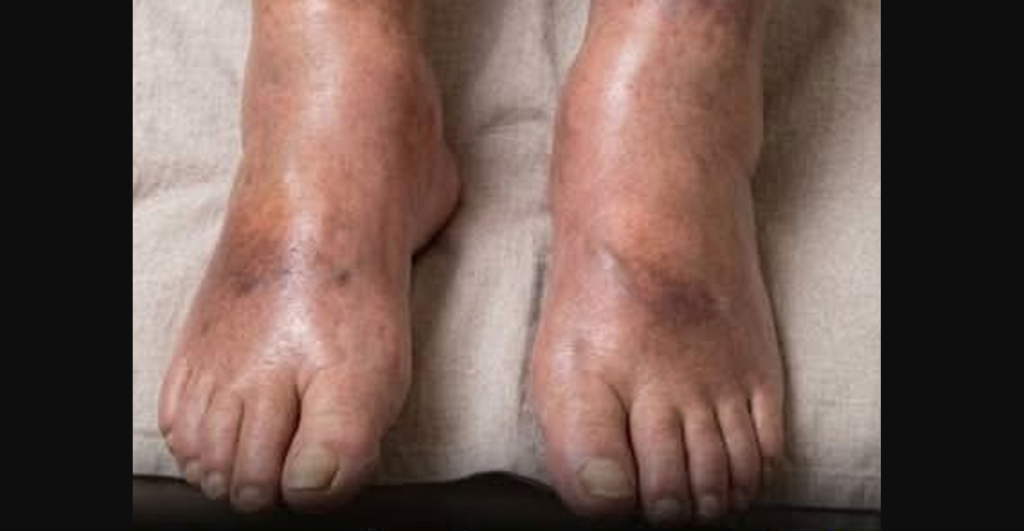
One symptom that occasionally draws medical attention is swelling in the lower legs. This condition, commonly called edema, occurs when fluid builds up in the body’s tissues. Swollen legs can be linked to several common factors, including circulation issues, kidney concerns, heart conditions, or long periods of standing or sitting.
When swelling appears suddenly or continues without an obvious explanation, medical professionals may recommend further evaluation to understand the cause.
The Role of the Pancreas in the Body
The pancreas is an important organ involved in digestion and blood sugar regulation. It sits deep within the abdomen behind the stomach and produces enzymes that help break down food, along with hormones that help control glucose levels.
Because of its location in the body, early problems involving the pancreas may not always cause noticeable symptoms right away. For this reason, researchers continue studying how subtle changes in the body might provide early clues about underlying health issues.
One area that has received attention involves the relationship between leg swelling and blood clot formation.
Understanding Deep Vein Thrombosis
Deep vein thrombosis (DVT) occurs when a blood clot forms inside a deep vein, most often in the legs. Blood moves more slowly through these veins compared with other parts of the body, which can sometimes increase the risk of clot formation.
Common signs associated with DVT include swelling in one leg, warmth in the affected area, mild discomfort or tenderness, and changes in skin color. In some cases, swelling may be the most noticeable symptom. Because blood clots can travel through the bloodstream and affect other organs, medical professionals consider DVT a condition that requires prompt attention.
The Connection Between Blood Clots and Certain Illnesses
For many years, doctors have observed that some illnesses may increase the likelihood of blood clot formation. This relationship was first documented in the 19th century by French physician Armand Trousseau, who noticed that certain patients developed unexplained blood clots before other conditions were diagnosed.
This observation later became known as Trousseau syndrome.
Modern research suggests that some tumors can release substances into the bloodstream that affect the body’s natural clotting process. These substances may make blood more likely to form clots under certain conditions. Scientists continue to study these mechanisms to improve early detection and patient care.
Why Blood Clots Often Develop in the Legs
Blood circulation in the legs must travel upward toward the heart, working against gravity. Because of this, blood flow in the deep veins of the legs naturally moves more slowly than in many other parts of the body.
When clotting signals are present in the bloodstream, these veins may become more vulnerable to clot formation. If a clot develops, it can interfere with normal circulation and lead to swelling or inflammation in nearby tissues.
Some people may notice pain, redness, or warmth along with the swelling, while others may only notice an increase in leg size or tightness.
Other Common Causes of Leg Swelling
Although blood clots are one possible explanation for leg swelling, many other health conditions can cause similar symptoms. Medical professionals often evaluate several possibilities before determining the cause.
Heart conditions can affect circulation and lead to fluid buildup in the lower limbs. Kidney disorders may influence the body’s fluid balance and cause swelling. Liver problems can change protein levels in the bloodstream, which affects how fluid remains inside blood vessels. Long periods of sitting or standing can also contribute to temporary swelling in the legs.
In certain situations, swelling may develop gradually in both legs due to fluid imbalance in the body. This type of swelling is often referred to as systemic edema.
How Doctors Evaluate Leg Swelling
When swelling appears suddenly or without a clear reason, doctors may begin with basic diagnostic tests. Blood tests can help measure markers related to clot formation.
Imaging studies may also be recommended. One commonly used method is an ultrasound scan that allows doctors to observe blood flow in the veins and check for blockages.
If a clot is detected and the cause is not immediately clear, additional medical evaluations may be suggested to ensure no other underlying condition requires attention.
Why Early Evaluation Matters
Health professionals often advise people not to ignore unexplained swelling, especially when it appears suddenly or lasts for several days. While many causes are manageable, early medical evaluation can help reduce the risk of complications.
Doctors typically review several factors during an examination, including medical history, lifestyle habits, and any additional symptoms that may be present.
Treatment and Supportive Care
When Deep Vein Thrombosis is diagnosed, treatment usually includes medications that help reduce the blood’s ability to clot. These treatments help prevent existing clots from growing and lower the chance of new clots forming.
Supportive care may also help relieve swelling and improve circulation. Doctors may suggest wearing compression stockings, elevating the legs while resting, and staying gently active with activities such as walking. These steps support healthy circulation while medical treatment addresses the underlying cause.
Listening to Your Body
The body often communicates important information through physical symptoms. Even small changes can sometimes provide useful clues about overall health.
Leg swelling can have many causes, most of which are treatable when properly evaluated. Staying aware of new or unexplained symptoms and discussing them with a healthcare professional can help ensure that potential concerns are addressed early.
Taking a proactive approach to health, maintaining regular checkups, and paying attention to the body’s signals are simple but effective ways to support long-term well-being.