In today’s digital world, news travels faster than ever before. Within seconds, a single post can reach thousands—or even millions—of people. But with that speed comes a serious challenge: misinformation can spread just as quickly as the truth.
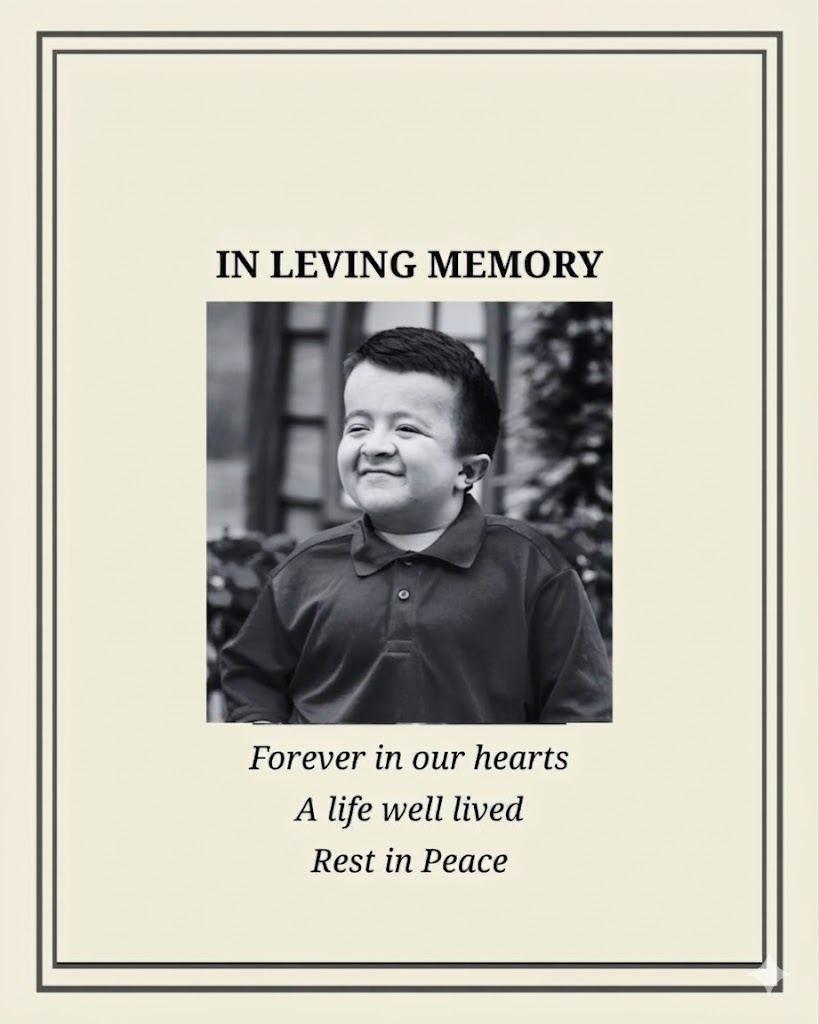
That reality became painfully clear when false reports claiming that Alec Cabacungan had died suddenly began circulating across social media platforms. The shocking claims appeared without warning, quickly capturing the attention of thousands of users who shared the posts without verifying their accuracy.
Within hours, confusion spread online. Some users reacted with sadness and disbelief, while others rushed to search for confirmation from reliable sources. Comments sections quickly filled with emotional reactions, prayers, and messages of support.
However, as people began looking more closely at the situation, a different picture started to emerge.
No major news outlets reported the story. No official statements confirmed it. And none of Alec Cabacungan’s verified platforms shared such devastating news.
Gradually, it became clear that the reports were false.
The rumors appeared to originate from unverified posts and misleading headlines that spread rapidly across social media feeds. As the claims continued to circulate, many users expressed frustration about how easily inaccurate information can go viral online.
For supporters of Alec Cabacungan, the situation was both alarming and disappointing. Many people felt relieved to learn that the reports were not true, but they also criticized how quickly sensitive rumors can spread without confirmation.
Alec Cabacungan is well known for his inspiring public presence and for raising awareness about osteogenesis imperfecta, often referred to as brittle bone disease. Through his appearances with Shriners Hospitals for Children, he has become a recognizable figure who brings hope and encouragement to families facing medical challenges.
Over the years, his story has resonated with millions of people. His confidence, humor, and determination have helped highlight the importance of perseverance and community support. Because of this positive impact, many followers feel a strong connection to his journey.
That connection is one reason why the false reports spread so quickly. When someone who has inspired so many people suddenly appears in alarming headlines, emotions naturally run high.
Experts say this situation reflects a broader issue on social media: the speed of sharing often outpaces the speed of verification. A dramatic headline or shocking claim can attract attention instantly, even if it lacks reliable evidence.
In many cases, people share posts simply because they appear convincing or because others have already shared them. Unfortunately, that cycle can amplify rumors and make them appear more credible than they actually are.
Digital media analysts often encourage users to pause before sharing viral claims. Checking trusted news organizations, official accounts, or credible sources can help prevent confusion and limit the spread of misinformation.
This recent wave of false reports serves as a powerful reminder of how important accuracy and responsibility are in the online world.
For now, many supporters continue to focus on the positive influence Alec Cabacungan has had on audiences around the world. His story remains a source of inspiration for countless individuals, particularly those facing medical challenges.
At the same time, the incident highlights the importance of thoughtful online behavior. In an age where information moves at lightning speed, taking a moment to verify the facts can make a significant difference.
Social media has the power to inform, connect, and inspire—but it also carries the responsibility to share truthfully.