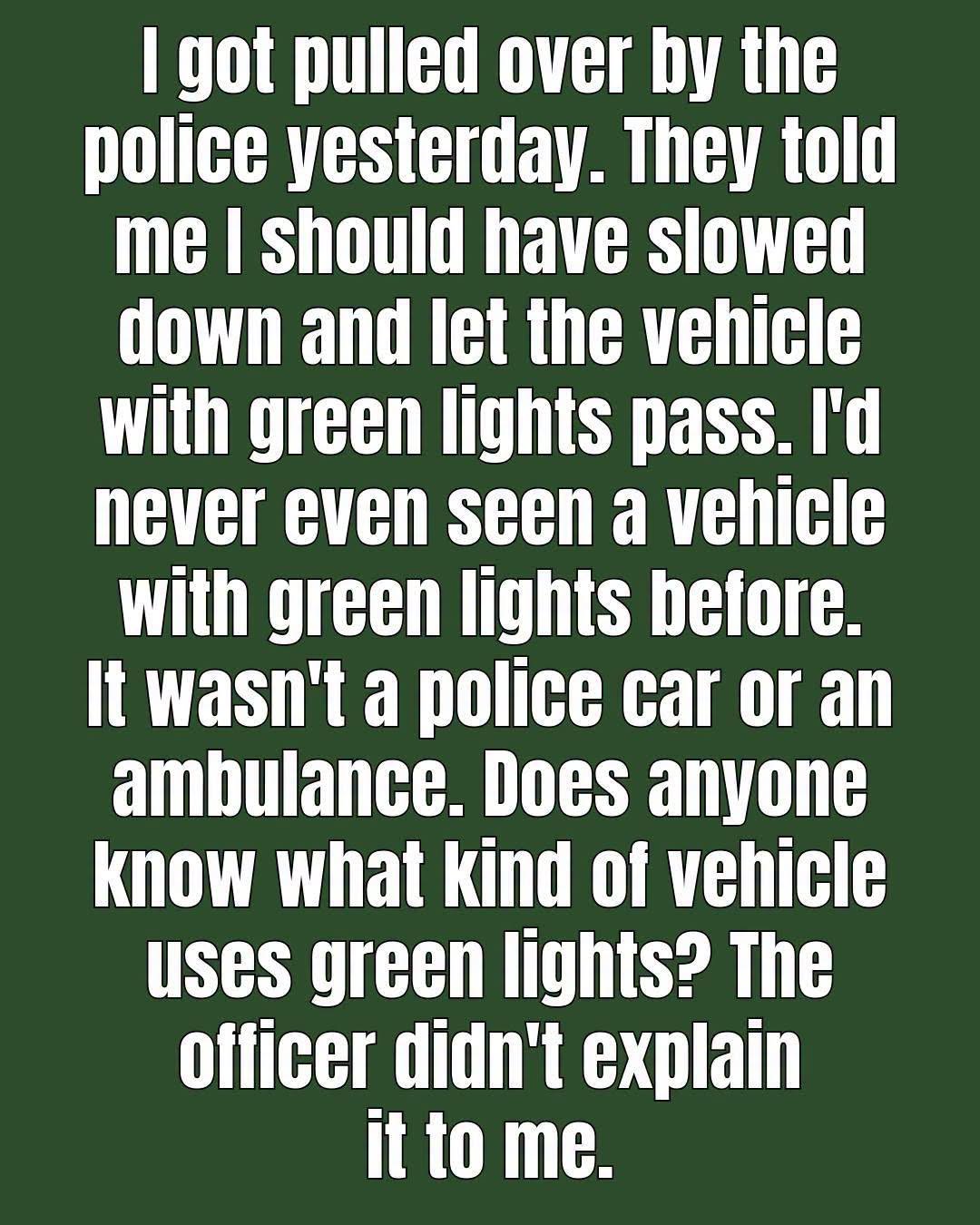
Have you ever noticed a vehicle displaying green lights and wondered what they mean? Unlike the more familiar red, blue, or amber emergency lights, green lights are much less common and often leave drivers confused.
The meaning of green vehicle lights depends on where you are, as laws and regulations vary between states and countries. In many cases, these lights are used by specific authorized personnel rather than ordinary drivers.
Who Uses Green Lights?
In several U.S. states, green lights may be displayed by authorized vehicles such as volunteer emergency responders. These individuals often include volunteer firefighters, emergency medical responders, or other public safety personnel who are traveling to an emergency scene in their personal vehicles.
Some states also allow certain government or highway maintenance vehicles to use green lights while performing official duties. In these situations, the lights help identify the vehicle without giving it the same legal status as a police car or ambulance.
Are Green Lights the Same as Emergency Lights?
No. Green lights generally do not provide the same legal privileges as red or blue emergency lights.
Instead, they often serve as a courtesy signal to make other drivers aware that the vehicle may be responding to an important situation. Motorists may choose to give way when it is safe to do so, but they are usually not legally required to treat green-light vehicles the same way they would an emergency vehicle with flashing red or blue lights.
Can Anyone Install Green Lights on Their Vehicle?
In most places, the answer is no.
Many states restrict the use of green vehicle lights to authorized individuals or government agencies. Installing or displaying green lights without proper authorization may violate local traffic laws and could result in fines or other penalties.
Because regulations differ from one jurisdiction to another, drivers should always review the vehicle lighting laws that apply where they live.
Examples of State Regulations
Vehicle lighting rules are not the same across the United States.
Some states permit volunteer emergency responders to use green lights under specific conditions. Others reserve green lights for highway maintenance or government vehicles. Certain states prohibit civilian use of green lights altogether unless a driver has received official authorization.
These differences make it important not to assume that a vehicle displaying green lights has the same legal authority everywhere.
What Should You Do If You See Green Lights?
If you notice a vehicle displaying green lights, remain calm and continue driving safely. Stay alert, follow normal traffic laws, and be courteous if conditions allow.
Remember that green lights typically indicate an authorized vehicle performing a public service role, but they do not automatically grant emergency driving privileges.
Final Thoughts
Green lights on vehicles are relatively uncommon, but they serve an important purpose in certain locations. They are often associated with volunteer first responders, government vehicles, or authorized maintenance crews, depending on local laws.
Because regulations vary from state to state, drivers should familiarize themselves with their local traffic rules before using or interpreting specialized vehicle lighting. Understanding what these lights mean can help improve road awareness and promote safer driving for everyone.