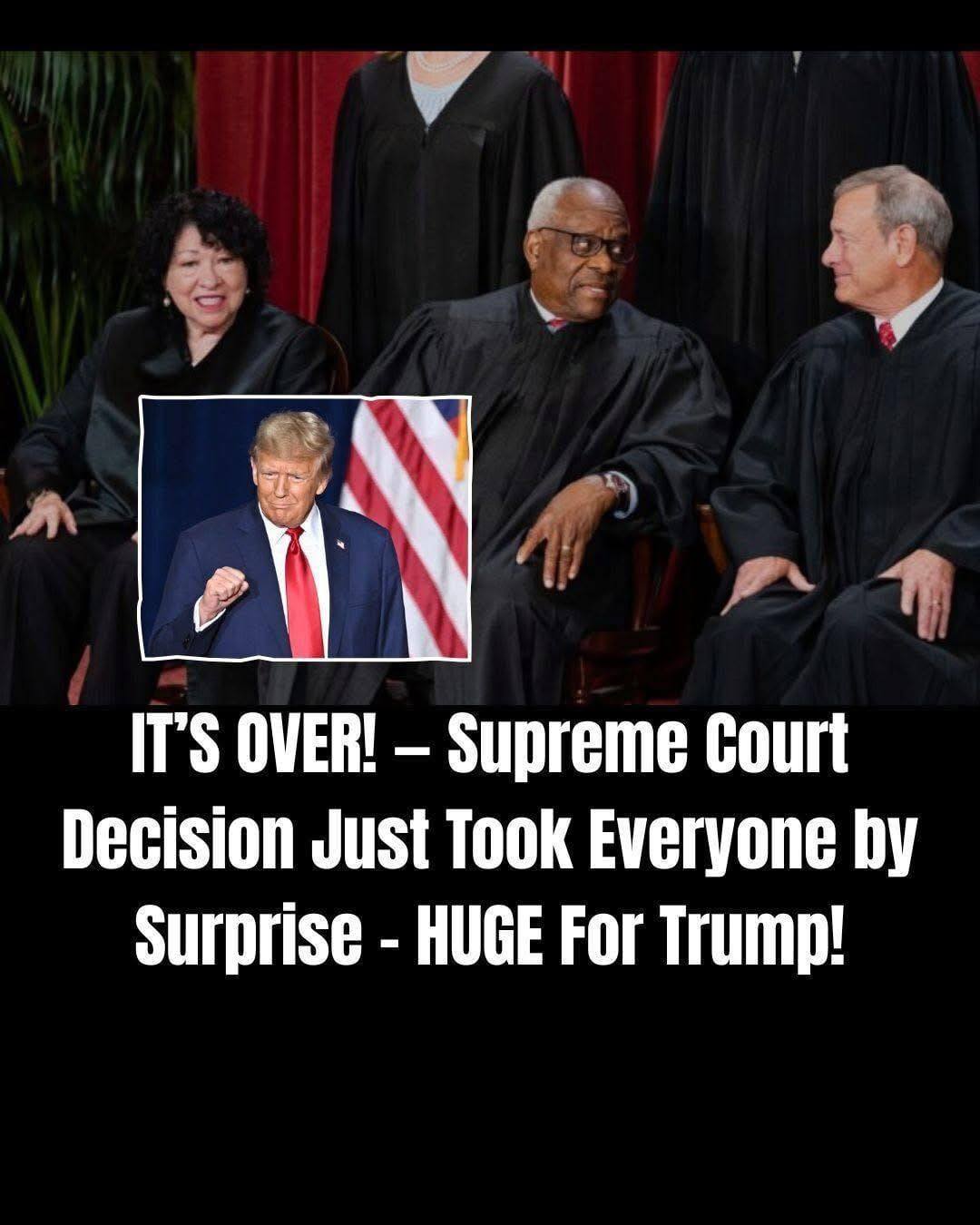
In a brief order issued in May 2025, the U.S. Supreme Court voted 8–1 to grant a request from the Trump administration to pause a lower court ruling related to Temporary Protected Status (TPS) for Venezuelans. This decision allows the federal government to move forward with ending TPS protections for certain Venezuelan nationals while ongoing legal challenges continue in the courts.
Understanding the Court’s Action
The Supreme Court’s order temporarily blocks earlier rulings that had prevented the Department of Homeland Security (DHS) from ending Venezuela’s TPS designation. While the Court did not provide a detailed written opinion—common in emergency or procedural decisions—the immediate effect is that the government may proceed with its policy change during the legal process.
It’s important to note that this ruling does not resolve the overall legal dispute. Instead, it maintains the current direction of policy while the courts continue to examine the case.
Background of the Legal Dispute
The case began after DHS moved to end TPS protections for Venezuelans, which were initially introduced in 2021 and extended in 2023. A federal court later ruled that the decision to terminate TPS may have violated administrative law, and that ruling was upheld by an appeals court.
The Supreme Court’s intervention pauses those decisions for now, allowing the policy shift to take effect while the legal review is ongoing.
What Is Temporary Protected Status (TPS)?
TPS is a humanitarian program established by Congress in 1990. It allows individuals from certain countries facing crises—such as conflict, natural disasters, or economic instability—to remain in the United States temporarily and obtain work authorization.
Venezuela was granted TPS due to ongoing humanitarian challenges. Before this recent development, hundreds of thousands of Venezuelans were living and working in the U.S. under this protection.
Why This Decision Matters
The ruling has drawn attention because of its potential impact on individuals and families relying on TPS. Supporters of the decision argue it reinforces the federal government’s authority to manage immigration programs and maintain flexibility in policy decisions.
Others express concern about the broader effects, noting that changes to TPS status can create uncertainty for communities and individuals who have built their lives around these protections.
One justice dissented from the decision, raising questions about the use of emergency rulings in complex legal matters without full review.
What Comes Next?
The legal process is still underway. Lower courts will continue reviewing whether the decision to end TPS complies with federal law. Future rulings could either uphold or challenge the policy change.
The Supreme Court may also choose to hear the case in full at a later stage, which would provide a more detailed examination of the legal issues involved.
For now, the situation remains fluid, and the final outcome will depend on how the courts ultimately rule on the case.