
Woman Cuts Off 25 Years of Hair to Help Children in Need
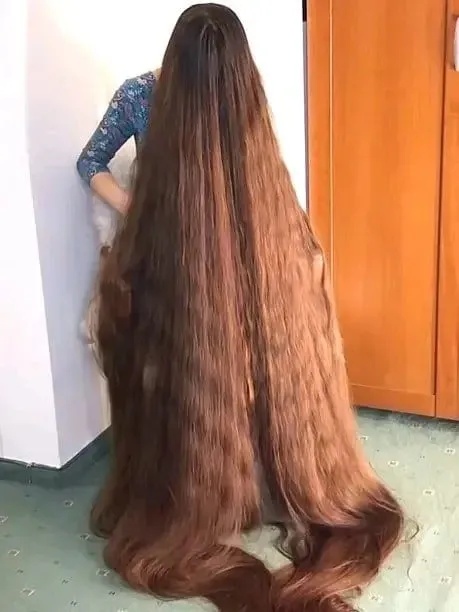
For more than 25 years, Rosa Ramirez never cut her hair. It had become a defining part of who she was, long, flowing, and reaching nearly to her calves. Family members and friends often encouraged her to try a different look, but Rosa stayed attached to the hairstyle she had worn for most of her life.
Over the years, her hair became more than just a style choice. It was a source of comfort and familiarity, something that made her feel confident and unique. Even though managing such long hair could sometimes be difficult, she could not imagine parting with it.
Everything changed when Rosa learned about children who lose their hair during cancer treatments. After hearing about organizations that create wigs for young patients, she began to see her hair in a new way, not only as part of her identity, but also as a way to help someone else.
The Decision That Changed Everything
Eventually, Rosa made the life-changing decision to visit a salon and donate a large portion of her hair. As the stylist carefully cut away several feet of hair, the atmosphere in the salon quickly filled with emotion and excitement.
When the transformation was complete, Rosa looked in the mirror and saw an entirely new version of herself. Her shorter hairstyle brought out a fresh and radiant appearance, leaving both her and those around her amazed by the dramatic change.
More importantly, her donation had the potential to bring comfort and confidence to children facing difficult medical challenges. Rosa's story became a reminder that even a simple personal change can make a meaningful difference in someone else's life. Her decision inspired many people, showing that acts of kindness often begin with the courage to step outside of our comfort zones.
Why Hair Loss Hits Children So Hard
For children going through cancer treatment, hair loss is about far more than appearance. Chemotherapy and radiation target fast-growing cells, and hair follicles are among them, which is why hair often falls out in clumps during treatment. For a child already coping with hospital visits, painful procedures, and time away from school and friends, losing their hair can feel like losing the last visible piece of normal life.
A well-made wig can restore a sense of identity at a time when a child feels most unlike themselves. It can make returning to school less intimidating, make photos less painful, and give a child one small measure of control over how the world sees them. That is why donations like Rosa's matter so much: real human hair makes wigs that look, move, and feel natural in a way synthetic alternatives often cannot match.
How Hair Donation Works
Hair donation programs generally follow a similar process, though exact requirements vary between organizations. Here is what the typical journey looks like:
- Check the requirements. Most programs require a minimum donation length, commonly around 8 to 12 inches, though this differs by organization. Hair usually needs to be clean, dry, and free of heavy chemical processing. Some programs accept gray or color-treated hair; others do not.
- Grow and prepare. Donors let their hair grow to the required length, keeping it healthy with regular trims of just the ends (which do not count against the donation).
- Get the cut. On donation day, hair is divided into sections and secured in ponytails or braids before cutting. This keeps the donation usable for wig-making.
- Mail it in. The secured ponytails are placed in a sealed bag and mailed to the organization, usually with a short donation form.
- Wig creation. Organizations sort, process, and hand-tie the donated hair into wigs, which are then provided to children, often free of charge to the families.
If you are considering donating, always check the specific requirements of the organization you choose first, since guidelines differ.
Caring for Very Long Hair
Rosa maintained hair down to her calves for a quarter of a century, which is a feat in itself. Extremely long hair needs consistent care to stay healthy:
- Gentle washing and conditioning. Long hair is older at the ends and more fragile, so mild products and thorough conditioning help prevent breakage.
- Protective styling. Braids and buns reduce tangling and friction that cause split ends.
- Regular end trims. Trimming a small amount from the ends keeps hair healthy without sacrificing length.
- Careful brushing. Starting from the ends and working upward prevents pulling and snapping.
- Protecting hair at night. A loose braid or silk pillowcase reduces overnight tangling.
Healthy donated hair starts with healthy growing habits, so good care benefits both the donor and the eventual recipient.
The Emotional Side of Letting Go
Parting with hair that has been part of your identity for decades is genuinely difficult, and Rosa's story resonates because she was honest about that attachment. Hair carries deep personal and cultural meaning. For many people, a dramatic cut feels like saying goodbye to a version of themselves.
What makes stories like Rosa's powerful is the reframing: the hair did not disappear, it was transformed into something that could comfort a frightened child. Many donors report that the emotional weight of the cut fades quickly once they see their new look and know where the hair is going. Some even describe the shorter style as liberating, a fresh start they didn't know they needed.
Other Ways to Support Children Facing Medical Challenges
Hair donation is wonderful, but it is not the only way to help. If Rosa's story inspired you, consider these options as well:
- Donate blood or platelets. Children in cancer treatment often need transfusions, and blood banks constantly need donors.
- Support family housing charities. Families who travel for a child's treatment face enormous lodging costs.
- Volunteer at children's hospitals. Reading, playing, or simply spending time with young patients can brighten long hospital stays.
- Donate to pediatric cancer research. Funding for childhood cancers remains disproportionately small compared to adult cancers.
- Send cards or care packages. Small gestures of normalcy mean a great deal to kids stuck in treatment.
Frequently Asked Questions
How long does my hair need to be to donate?
Most organizations require between 8 and 12 inches of usable length, measured from the ponytail band to the tip. Always confirm with the specific program.
Does donated hair have to be a natural color?
It depends on the organization. Some accept color-treated or gray hair, while others require virgin hair. Check the guidelines before you cut.
How long does it take to make a wig from donated hair?
A single wig can require multiple donations and many hours of hand-tying work, so the process from donation to finished wig can take months.
Can I donate if I have layered hair?
Usually yes, as long as the shortest layer you are donating meets the minimum length requirement.
Rosa Ramirez spent 25 years growing her hair and one afternoon changing a child's life with it. Her story is a reminder that generosity does not always require money or grand gestures. Sometimes, all it takes is the courage to let go of something you love so that someone who needs it more can have it.
This article is for informational purposes only and is not medical advice. Please consult a qualified professional.



