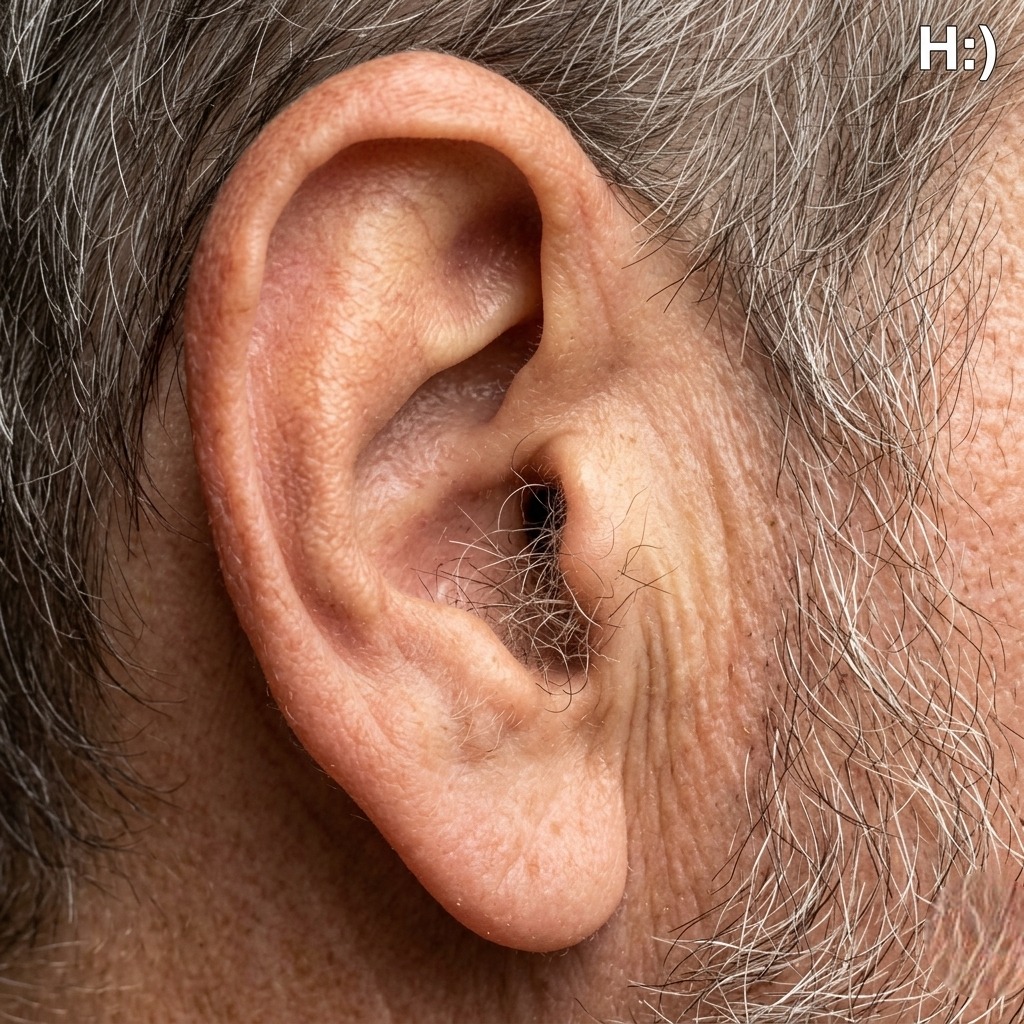
Ear hair is something many people notice as they grow older, and while it may seem surprising at first, it is a completely natural part of the aging process. For some, it can bring feelings of embarrassment or concern, but in reality, it is not a sign of illness or anything unusual. It is simply one of the many ways the human body changes over time.
As we age, the body does not change in a uniform way. Some areas, like the scalp, may experience thinning hair, while other areas such as the ears, nose, or eyebrows may develop more noticeable hair. This happens because of how hair follicles respond to hormonal changes, particularly androgens like testosterone. Over time, certain follicles become more sensitive, which leads to increased hair growth in specific areas.
Hormones play a key role in this process. In men, gradual changes in testosterone and related hormones can lead to thicker and more visible ear and nose hair. Women can experience similar changes, especially after menopause, when shifts in hormone levels allow certain types of hair to grow more prominently. These changes are gradual and completely normal, reflecting the body’s natural adaptation over the years.
Genetics also have a strong influence on how and when ear hair appears. If older family members developed noticeable ear hair, it is likely that similar patterns may occur in future generations. Hair thickness, growth patterns, and the age at which these changes begin are all shaped by inherited traits.
Although ear hair might seem unnecessary today, it actually serves a protective purpose. It can help trap dust and debris, reduce the chance of small particles entering the ear, and provide a barrier that protects the inner ear. This function may have been more important in earlier environments, but it remains part of the body’s natural design.
There are many myths surrounding ear hair, and these can cause unnecessary worry. Some people believe it is a sign of poor health or linked to internal problems, but there is no scientific evidence to support these ideas. Others think that trimming ear hair will make it grow back thicker, but this is not true. Hair may feel coarser after being cut, yet the follicle itself remains unchanged.
For those who prefer to manage ear hair, grooming is entirely a personal choice. Some people choose to trim it for comfort or appearance, while others simply leave it as it is. Safe methods include using small electric trimmers or scissors with rounded tips, while avoiding anything that could cause irritation or injury. Grooming should never be driven by fear, but rather by personal preference.
In most cases, ear hair develops slowly over time and is harmless. However, if someone notices sudden or unusual changes in hair growth along with other symptoms, it may be helpful to seek medical advice for reassurance. Situations like this are rare, and for the vast majority of people, ear hair is simply a normal part of aging.
Aging brings many visible changes, and ear hair is just one of them. Instead of viewing it as something negative, it can be seen as a natural sign of time passing. The body is not failing; it is continuing to function and adapt as it always has.
In the end, the explanation is simple. If hair grows on your ears, it is because your body is aging naturally. It reflects the influence of hormones, genetics, and time working together. There is nothing to fear, nothing to hide, and nothing unusual about it. It is simply part of life’s ongoing journey.