
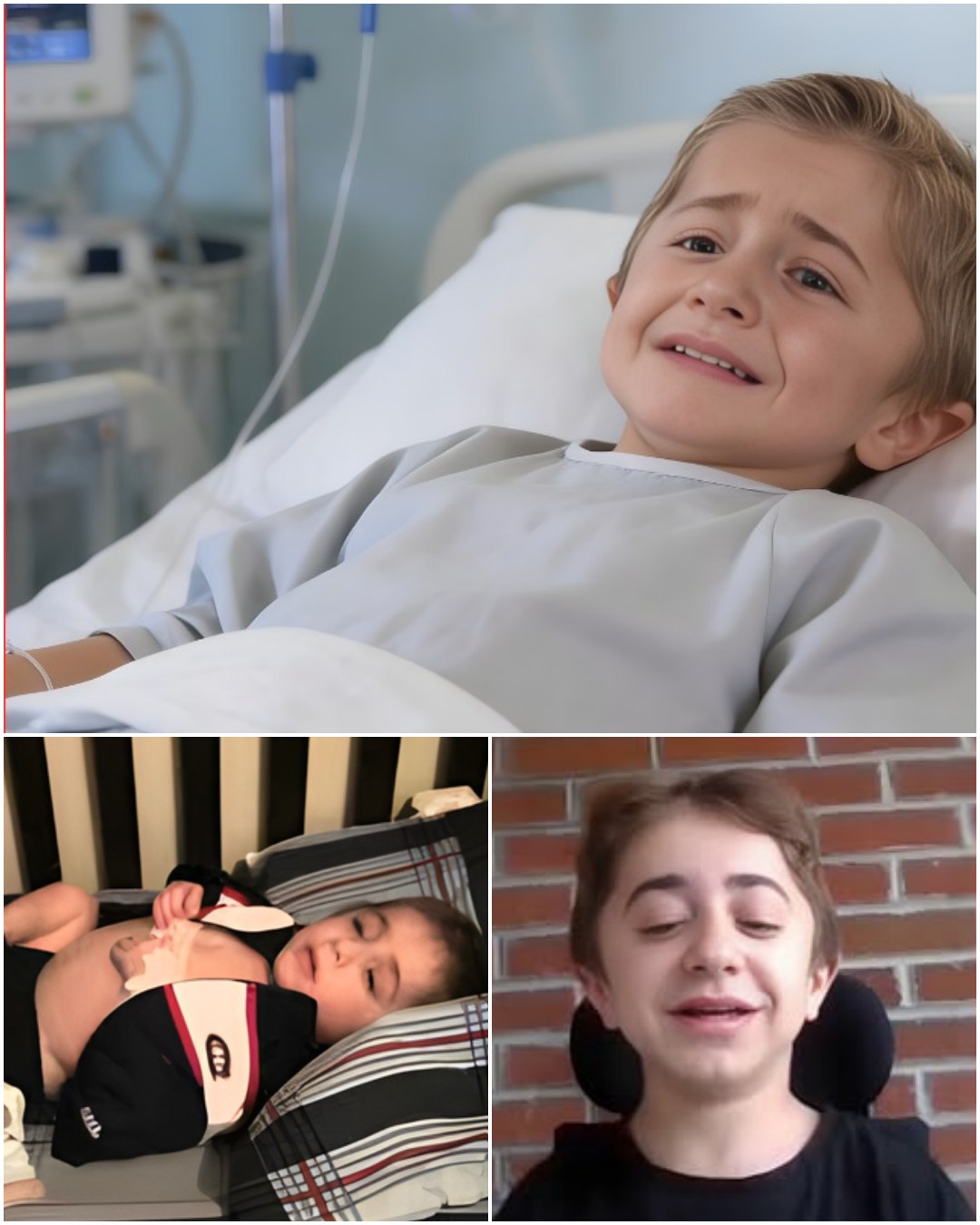
Kaleb Wolf Faces Medical Setback as Doctors Monitor Implant Complications
A recent medical update has raised concerns for Kaleb Wolf after doctors identified complications related to spinal support implants placed during a recent surgery. What was expected to be a routine follow-up appointment quickly became a moment of careful evaluation as specialists reviewed new imaging results. For Kaleb and his loved ones, the news was a difficult reminder that recovery does not always follow a straight line.
A Change in Recovery Progress
Kaleb had undergone a complex procedure just weeks ago to stabilize his spine using custom-fitted stainless steel implants. Spinal stabilization surgery is a major undertaking: hardware is placed to support vertebrae, correct alignment, or protect the spinal cord, and the body needs significant time to heal around it.
Initially, the surgery was considered successful, with early signs pointing toward a stable recovery. The first days after such a procedure are closely watched, and Kaleb’s early progress gave his medical team reason for optimism.
However, in recent days, Kaleb began experiencing increased discomfort beyond typical post-surgical expectations. Some pain is normal after spinal surgery, but his symptoms went beyond what his doctors expected at this stage. Medical professionals noted heightened sensitivity and pain, prompting further examination. Imaging results have since suggested that his body may be reacting to the implanted devices.
Understanding the Situation
While uncommon, the body can sometimes respond to medical implants in ways that require close monitoring. In Kaleb’s case, doctors are observing signs that may indicate his system is not fully adapting to the materials used in the procedure.
Specialists explain that such reactions can involve inflammation or sensitivity around the affected area. The body’s immune system is designed to identify and respond to foreign materials, and while modern implants use biocompatible materials like stainless steel and titanium, individual responses vary. In rare cases, patients develop:
- Localized inflammation around the implant site
- Heightened sensitivity or persistent pain beyond normal healing
- Immune responses to specific metals or materials
- Delayed healing of surrounding tissue
- Fluid buildup or irritation near the hardware
Early detection allows medical teams to evaluate the situation carefully and determine the most appropriate next steps. Catching these signs early is critical, because it gives doctors the widest range of options.
Why Spinal Implants Sometimes Cause Problems
Spinal hardware must perform an extraordinary job: bearing loads, allowing controlled movement, and integrating with living bone, all while the body heals around it. Most of the time, this works well. But several factors can complicate the picture:
- Individual material sensitivity: A small number of patients react to specific metals, even biocompatible ones
- Mechanical stress: The spine moves constantly, and hardware under load can irritate surrounding tissue
- Inflammatory responses: The body’s healing response can sometimes overshoot, creating chronic inflammation
- Infection risk: Though distinct from material reactions, infection around hardware requires urgent attention
- Healing variations: Bone growth around implants varies between patients and can affect comfort
Distinguishing between these possibilities is exactly what Kaleb’s medical team is now doing.
Medical Team Evaluating Options
A team of healthcare professionals is now assessing potential approaches to support Kaleb’s recovery. These approaches may include close monitoring combined with supportive treatments, adjustments to help manage inflammation and discomfort, and considering alternative solutions if needed.
In practical terms, the options doctors typically consider in such situations include:
- Enhanced monitoring: More frequent imaging and checkups to track exactly how the tissue around the implants is responding
- Anti-inflammatory treatments: Medications or therapies to calm the body’s response while healing continues
- Pain management adjustments: Refining the approach to keep Kaleb comfortable without masking important warning signs
- Physical therapy modifications: Adapting rehabilitation to reduce stress on sensitive areas
- Alternative solutions: In some cases, adjusting or replacing hardware, though this is typically a later consideration
Each option is being reviewed with careful attention to both short-term comfort and long-term outcomes. The goal is not just to resolve the current setback but to set up the best possible recovery overall.
Focus on Care and Stability
Kaleb is currently under close observation as doctors continue to gather more information. The next few days are expected to be important in understanding how his body responds and how best to proceed.
Medical staff are prioritizing his comfort while ensuring that any decisions are made with his overall well-being in mind. This balance, relief now versus the best outcome later, is at the heart of every difficult medical decision. Kaleb’s team is taking the time to get it right rather than rushing to the fastest fix.
Staying Hopeful
Despite this unexpected development, there remains cautious optimism. Advances in medical care and the experience of specialized teams provide a strong foundation for managing complex situations like this. Implant complications, while serious, are a known challenge in spinal surgery, and experienced teams have well developed protocols for addressing them.
Kaleb continues to receive dedicated support from healthcare professionals and loved ones as he navigates this phase of recovery. That support matters enormously. Studies consistently show that patients with strong emotional support networks cope better with setbacks and engage more fully with their treatment.
As more updates become available, doctors will continue to evaluate his condition and adjust care accordingly. For now, the focus remains on stabilization, comfort, and supporting the best possible path forward.
Frequently Asked Questions
What happened to Kaleb Wolf?
Weeks after a complex spinal stabilization surgery using custom-fitted stainless steel implants, Kaleb began experiencing increased pain and sensitivity beyond normal post-surgical expectations. Imaging suggests his body may be reacting to the implanted devices.
Are reactions to medical implants common?
They are uncommon. Modern implants use biocompatible materials, but individual responses vary, and a small number of patients develop inflammation or sensitivity around hardware.
What are doctors doing about it?
A team of specialists is closely monitoring Kaleb, evaluating options including enhanced observation, anti-inflammatory treatments, pain management adjustments, modified rehabilitation, and, if needed, alternative solutions.
What happens next?
The coming days are important for understanding how his body responds. His team is prioritizing both immediate comfort and the best long-term outcome, adjusting care as new information arrives.
Is there reason for optimism?
Yes. Implant complications are a known and manageable challenge in spinal surgery, and advances in medical care plus an experienced specialized team provide a strong foundation for navigating this setback.

