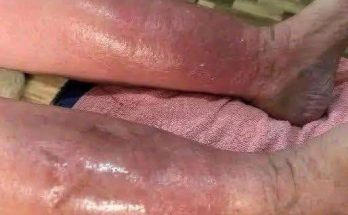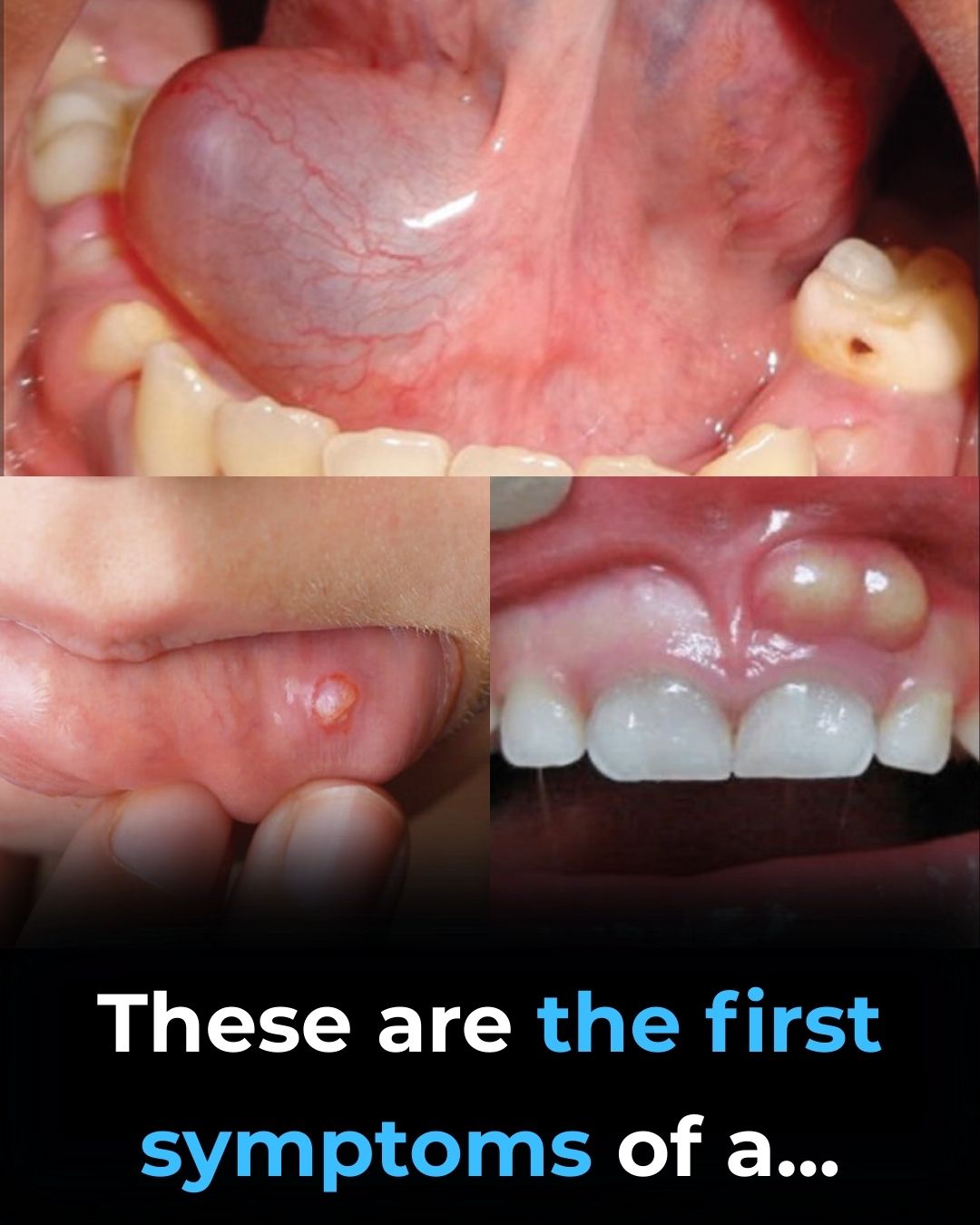
Many people ignore small changes in their mouths, assuming a sore, a patch of discoloration, or mild numbness will go away on its own. While these symptoms are often harmless, they can sometimes be early warning signs of Oral Cancer, a serious condition that can develop quietly without obvious symptoms.
Because it often progresses without pain in its early stages, oral cancer may go unnoticed until it becomes more advanced. That’s why paying attention to even minor changes in your oral health is so important.
Understanding oral cancer is essential for early prevention. This condition can affect several areas of the mouth, including the lips, tongue, gums, cheeks, and the roof or floor of the mouth. It is considered a major health concern in many parts of the world, especially in regions where tobacco and alcohol use are common. Early detection plays a critical role in successful treatment, and when identified early, outcomes improve significantly.
Oral cancer is not limited to one specific area. It can develop in different parts of the oral cavity, and each type may present slightly different warning signs. Regardless of where it appears, timely medical attention is always necessary to prevent complications.
If you notice unusual changes in your mouth that last more than two weeks, it is important to consult a dental or medical professional. Routine oral check-ups, ideally twice a year, can help detect potential problems early, even before symptoms become noticeable.
In many cases, early-stage oral cancer may not cause pain, which makes awareness even more important. Some warning signs include persistent sores that do not heal, unusual red or white patches inside the mouth, swelling or lumps, unexplained bleeding, or difficulty chewing and swallowing. Some people may also experience numbness in the lips or tongue, ongoing throat discomfort, jaw stiffness, or a burning sensation in the mouth. When these symptoms continue without improvement, seeking medical advice is strongly recommended.
Several lifestyle and health-related factors can increase the risk of developing oral cancer. Tobacco use, whether smoked or chewed, remains one of the leading causes. Frequent alcohol consumption can further raise the risk, especially when combined with smoking. Infections such as Human Papillomavirus are also linked to certain types of oral cancer. Poor oral hygiene, prolonged sun exposure affecting the lips, family history of cancer, and a diet low in fruits and vegetables can all contribute to higher risk levels.
The progression of oral cancer is generally described in stages, ranging from early localized tumors to more advanced stages where the disease spreads to nearby tissues or other parts of the body. Detecting the condition early greatly improves the chances of successful treatment and recovery.
Treatment options vary depending on the stage and severity of the condition. Doctors may recommend surgery to remove the tumor, radiation therapy to target cancer cells, or chemotherapy using specialized medications. In some cases, targeted therapy or immunotherapy may be used to improve treatment effectiveness. Often, a combination of these approaches provides the best results.
Many cases of oral cancer can be prevented through simple lifestyle changes and regular health monitoring. Although it is more commonly diagnosed in older adults, younger individuals are increasingly affected, particularly due to viral infections. Early detection significantly increases survival rates, while delayed diagnosis can make treatment more difficult.
Raising awareness about oral cancer is crucial, especially in communities where access to healthcare or information may be limited. Paying attention to early symptoms, maintaining good oral hygiene, and visiting a healthcare professional regularly can make a meaningful difference.
In conclusion, Oral Cancer is a serious but often preventable condition. Ignoring persistent symptoms can lead to delayed diagnosis, while early action can improve outcomes and save lives. Staying informed and proactive is one of the most effective ways to protect your health and well-being.
Disclaimer: This content is for informational purposes only and should not be considered medical advice. Always consult a qualified healthcare professional for diagnosis or treatment.